Всем привет!
Во время более тщательного осмотра подкапотного пространство, его демонтажа и дальнейшей разборки кузова Самурая, у нас проводились работы по реанимированию родного сердца, 21R-U. Ну как и обещал в прошлой записи я постараюсь подробно расписать, что подошло, а что нет.
И так, поехали. Первым делом, что мы решили сделать, это расточить блок под поршневую группу ремонтного размера "Teikin" 46199100 и проверить техническое состояние коленчатого вала. В поиске грамотных специалистов мне помогли ребята из "Drift Works KMV". За это им отдельное спасибо. Долго не думая погрузили блок и коленвал в багажник, и направились к этим мастерам в Вин-Сады. Пообщались с ними и оставили у них на расточку блок с поршневой группой
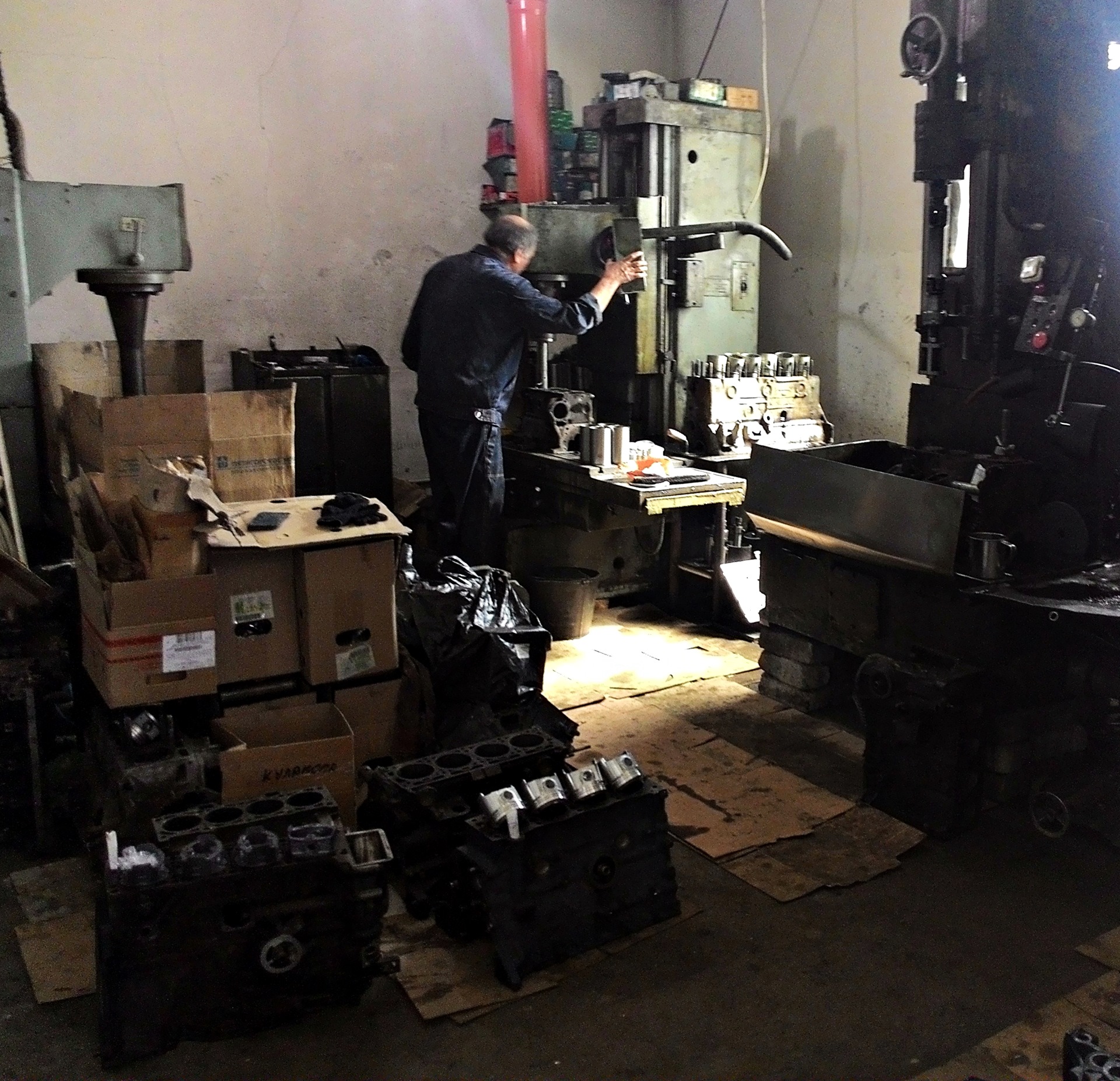
и заодно проверили на станке коленвал на наличие дефектов.
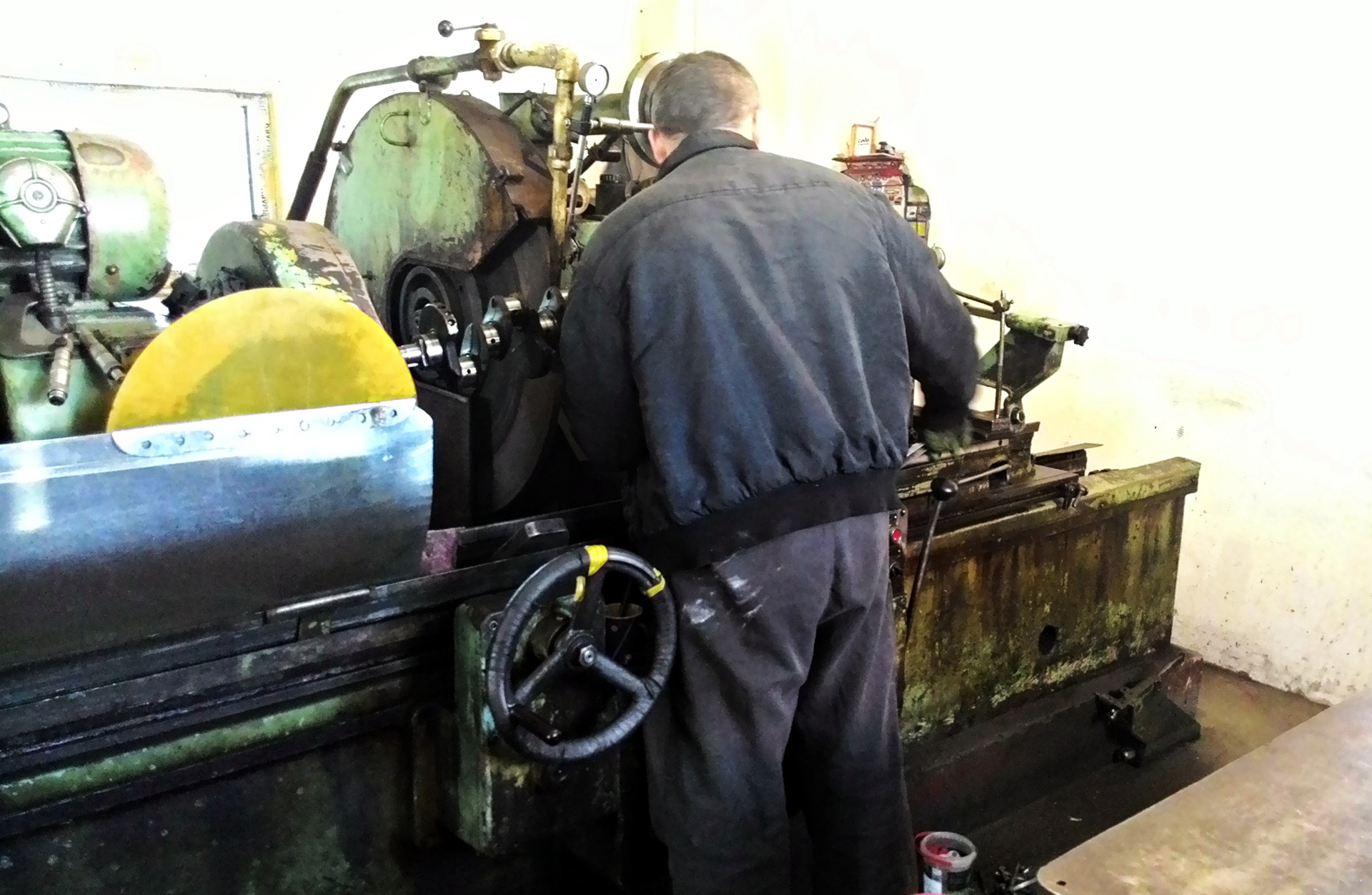
И тут мы были огорчены, потому что у коленвала снова присутствовал прогиб, который сожрал вкладыши и нарушил зеркала цилиндров. Почему снова?! Да потому что в конце 90-х двигатель однажды застучал и Папа уже занимался восстановлением одной из шеек коленвала. И это произошло после владения этим автомобилем молодыми и горячими кавказскими ребятами. В итоге мастера дали нам дельный совет: "Лучше поищите б/у коленвал, а не занимайтесь ремонтом родного, так как его восстановление будет очень дорогим". Естественно мы прислушались к совету специалистов, не стали рисковать и испытывать судьбу, и я начал поиски б/у коленвала. Поиски оказались не долгими, нашёл в течении недели, правда не б/у коленвал, а б/у двигатель 21R-U от Toyota Corona Mark II RX60.
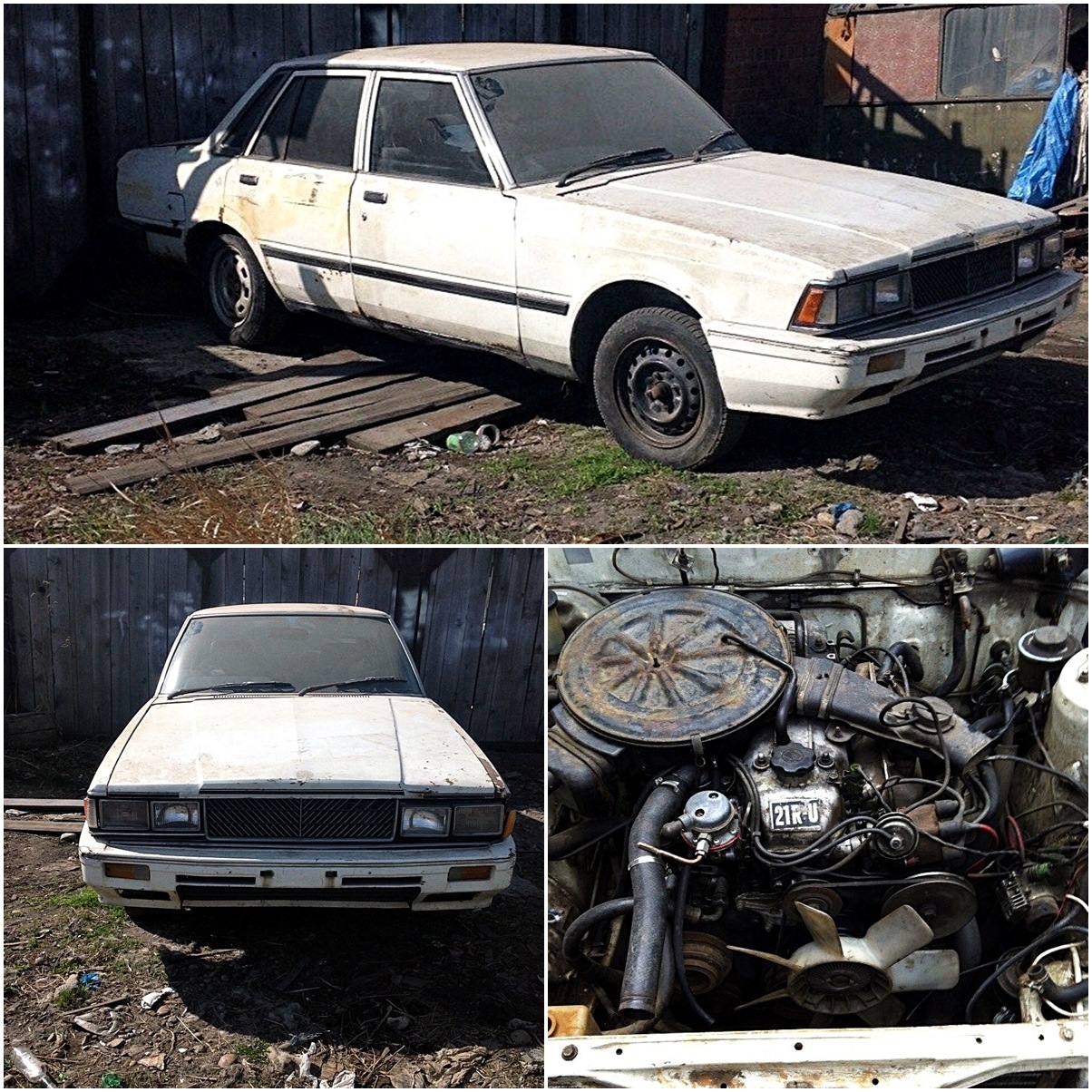
Данный двигатель был найден в Иркутске с помощью одной из самых лучших групп для владельцев классических старых японских автомобилей "True OldSchool JDM".
Спустя какое-то время двигатель приехал в пункт назначения, то есть домой.
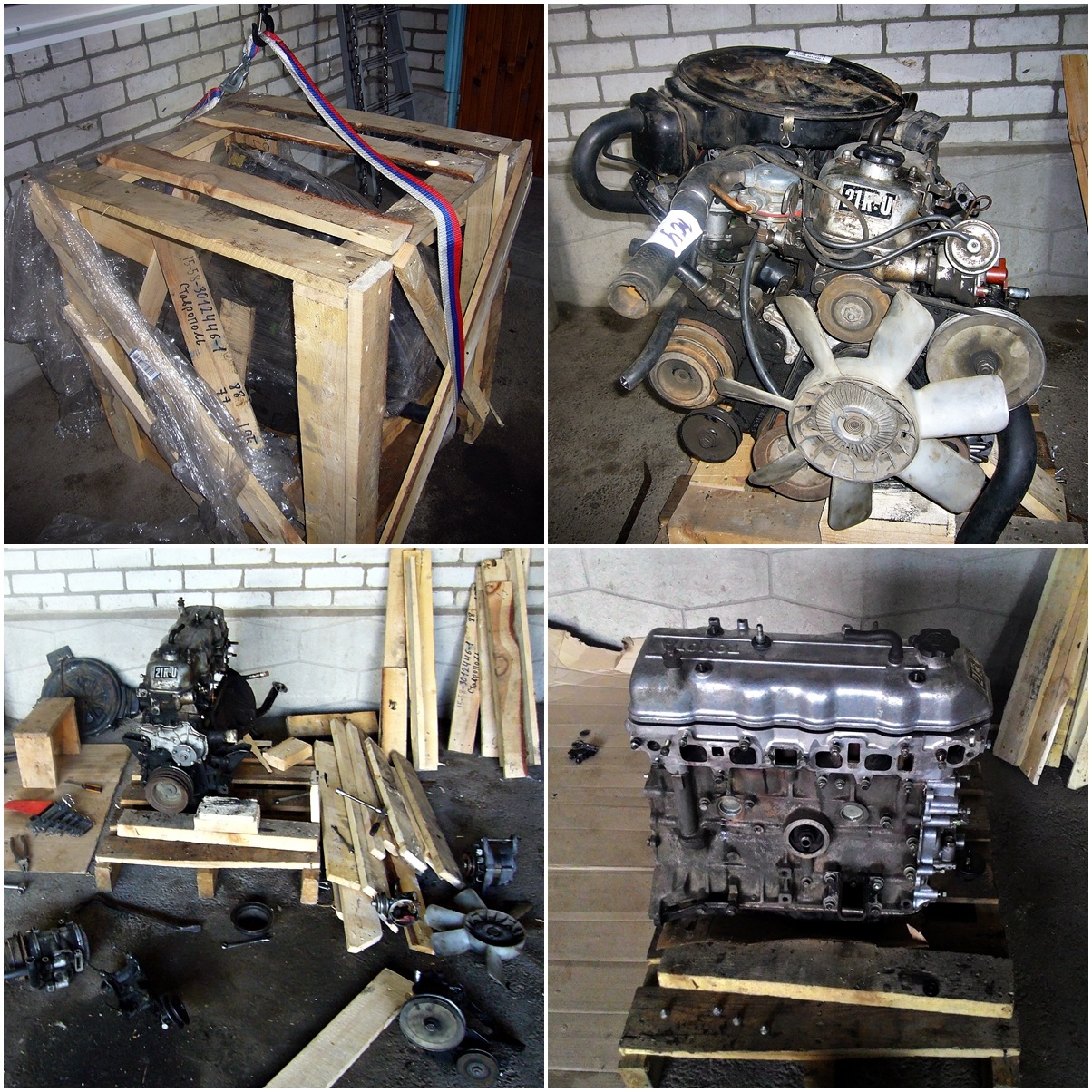
Вскрыли его и было жутко удивлены увиденному.
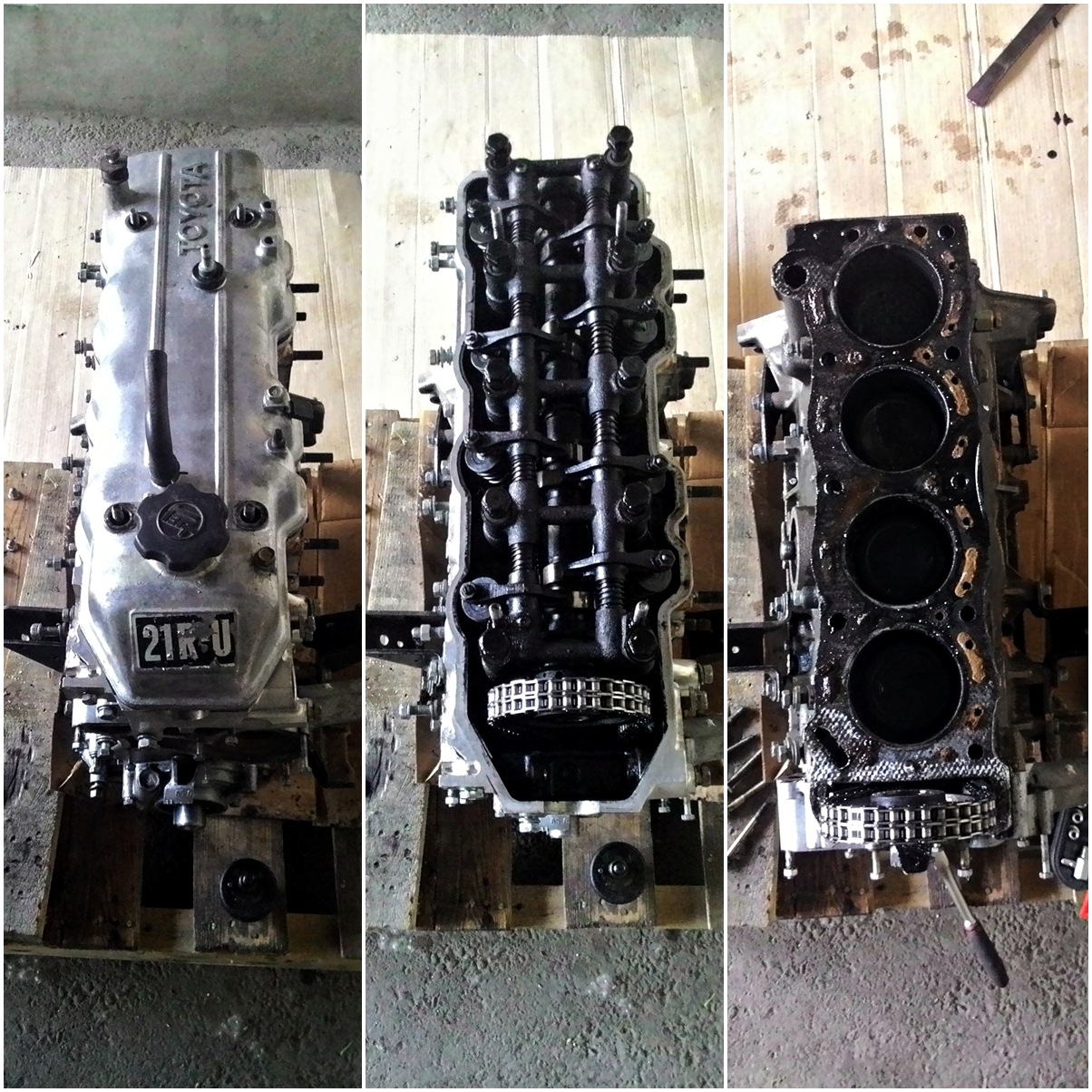
Такое чувство, что в этот двигатель заливали отработку, которая по цвету была похожа на гудрон. Но это всё мелочи. Для нас самая главная задача заключалась в том, чтобы коленвал был в рабочем техническом состоянии. Поэтому мы поехали проверять б/у коленвал на наличие дефектов. Но тут нам просто нереально повезло. Он был исправный, ровный, но из-за использования некачественных масел на шейках присутствовали задиры и легкое осевое перемещения. Поэтому пришлось заказывать вкладыши и упорные полукольца ремонтного размера. Учитывая свой прошлый опыт в приобретении вкладышей и упорных полуколец я остановился на фирме "Taiho".
Коренные вкладыши "Taiho" M011H025.
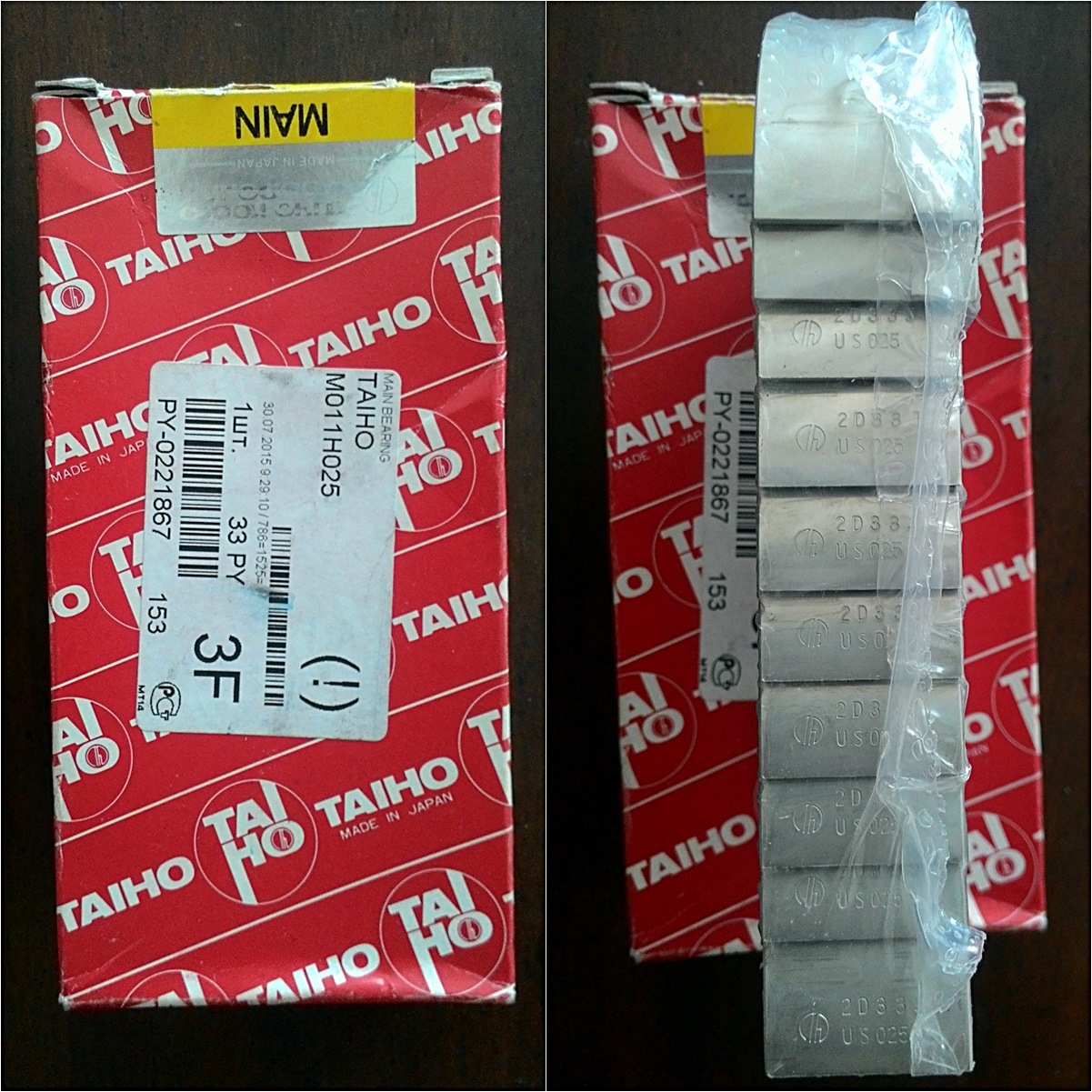
Шатунные вкладыши "Taiho" M011H075 .
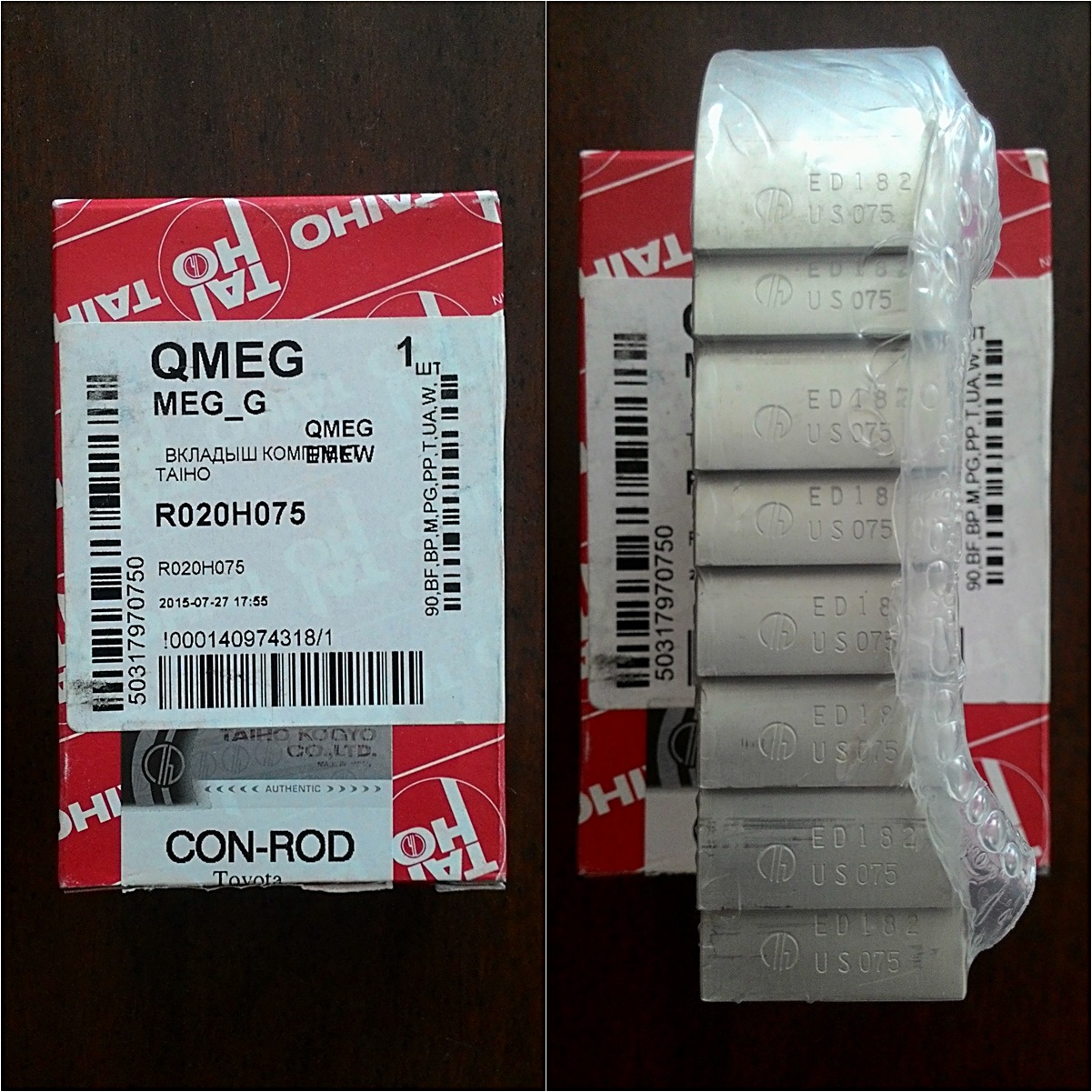
Запчасти на фото: U5075
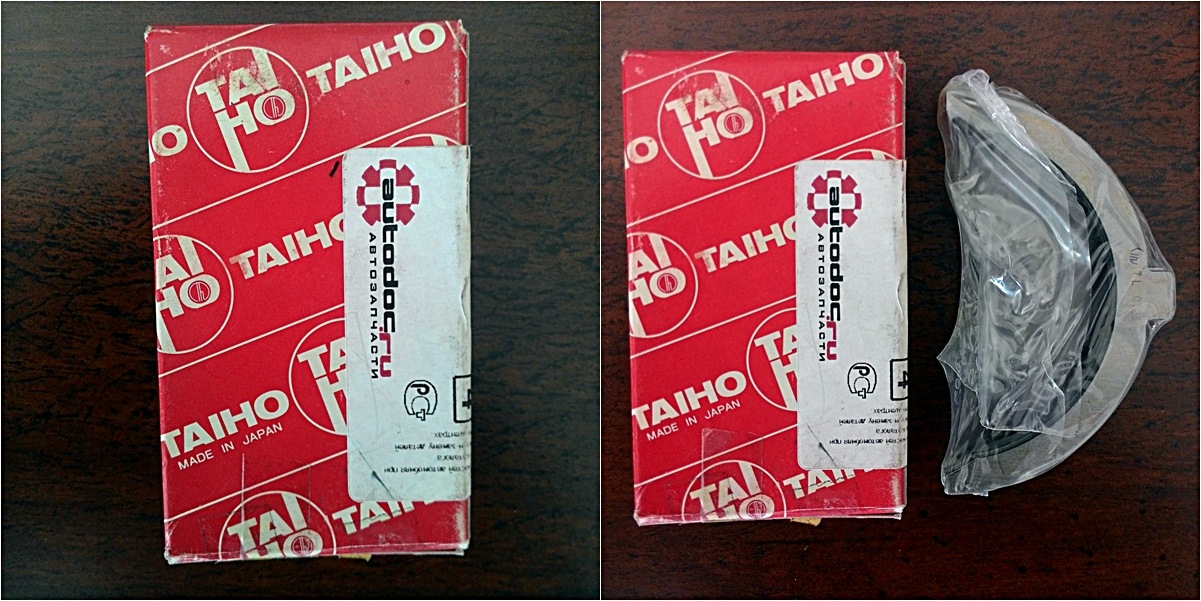
Упорные полукольца "Taiho" T011A025.
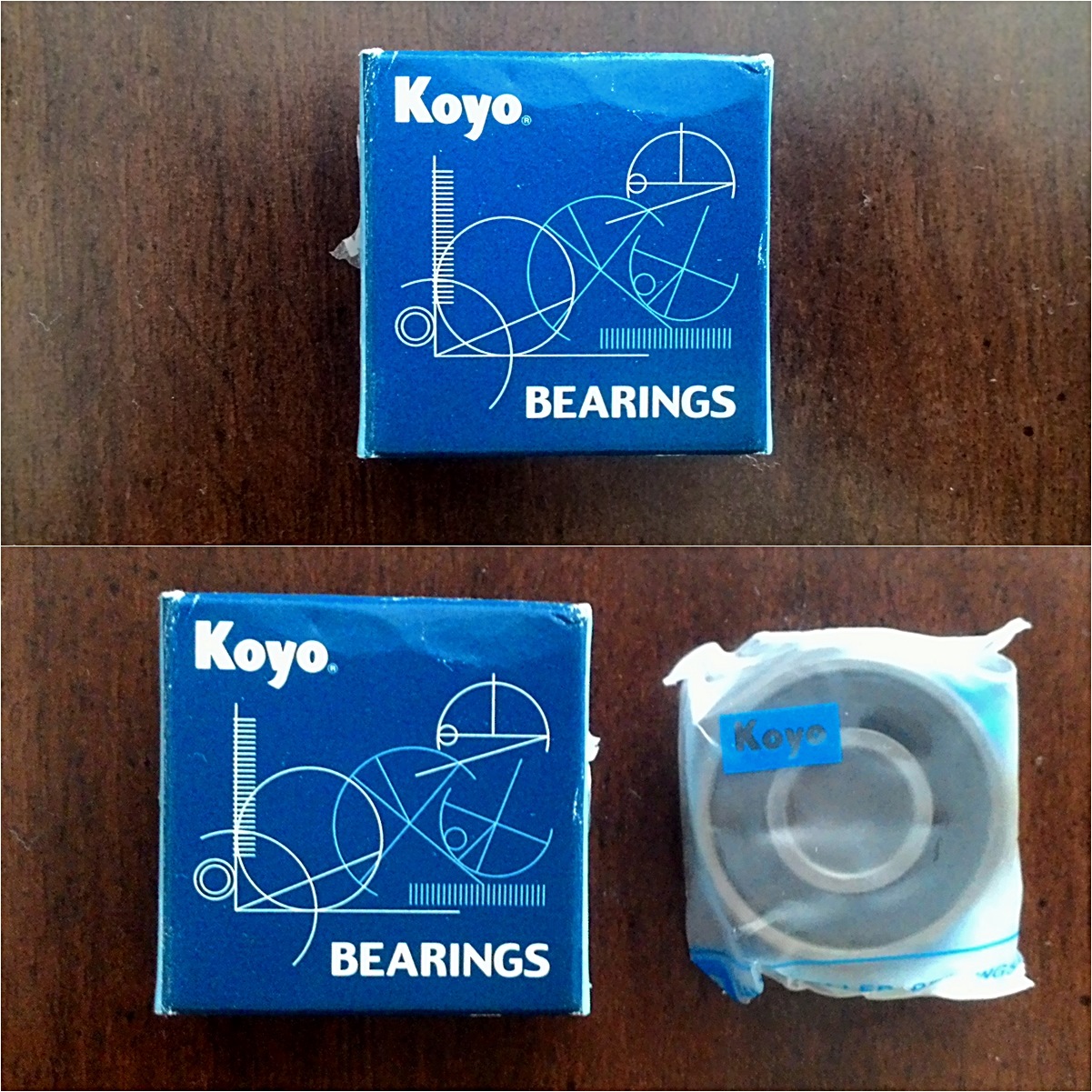
А так же приобрёл подшипник коленвала "Koyo" 62012RUC4.
После проделанных работ мастеров, в итоге мы получили расточенный родной блок,
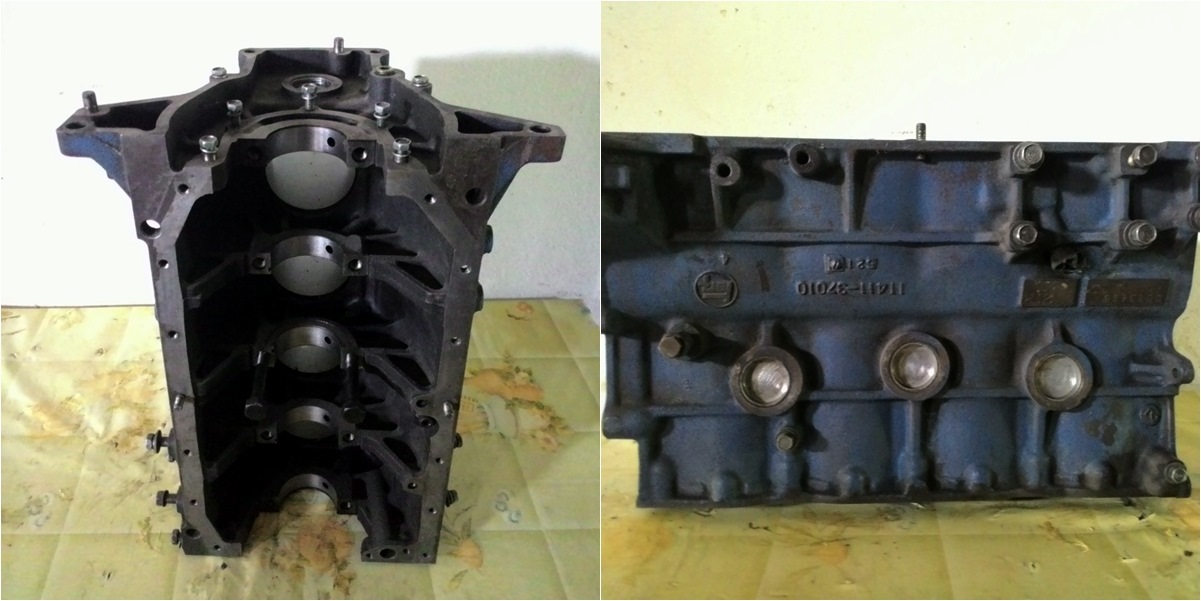
который осталось отмыть и покрасить. И можно сказать новый коленчатый вал, который мы не узнали, когда приехали забирать.
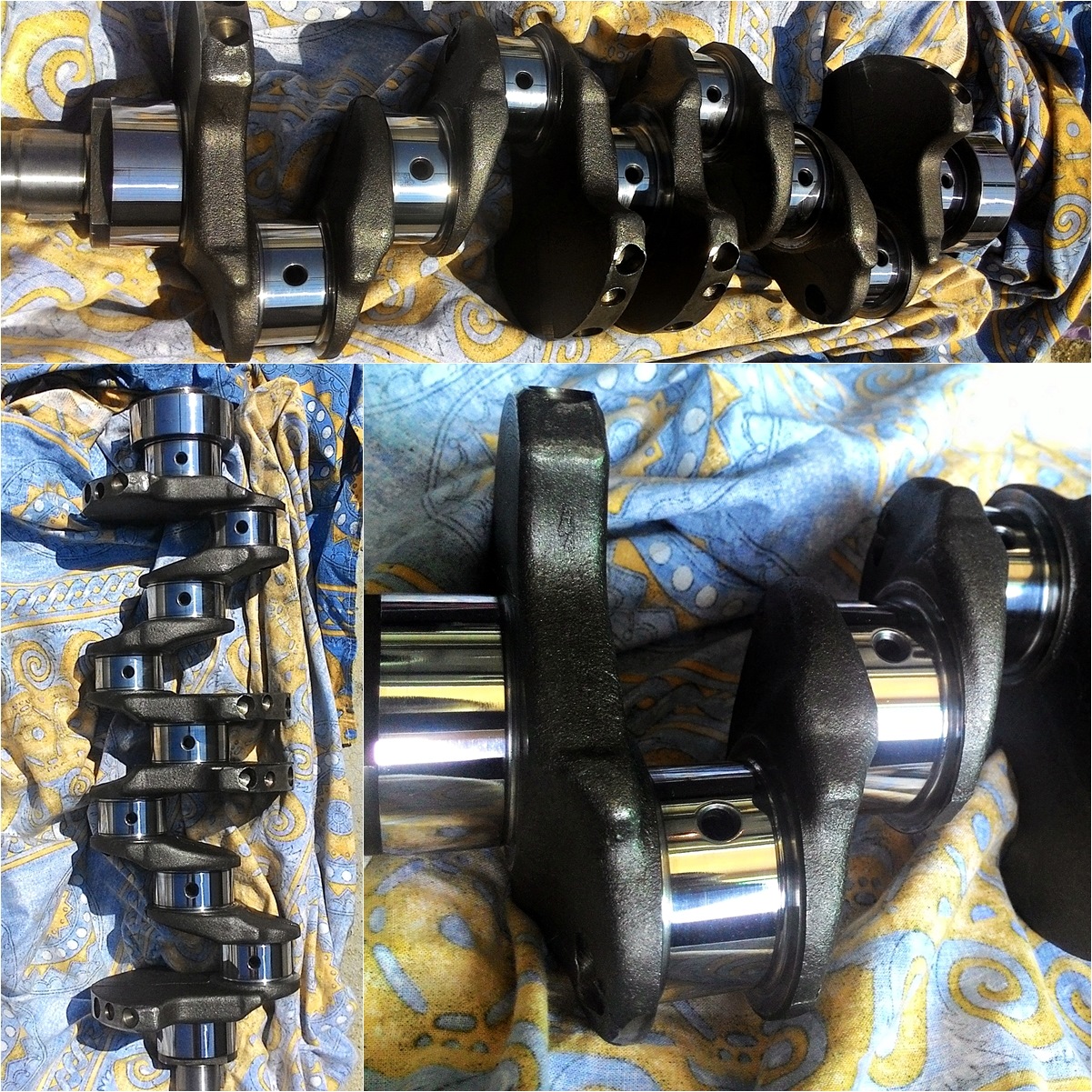
Весь блестящий и чистенький.
Результатом мы остались очень довольны. Огромное спасибо этим ребятам за качество и за подход к работе. И вот их контактные данные,
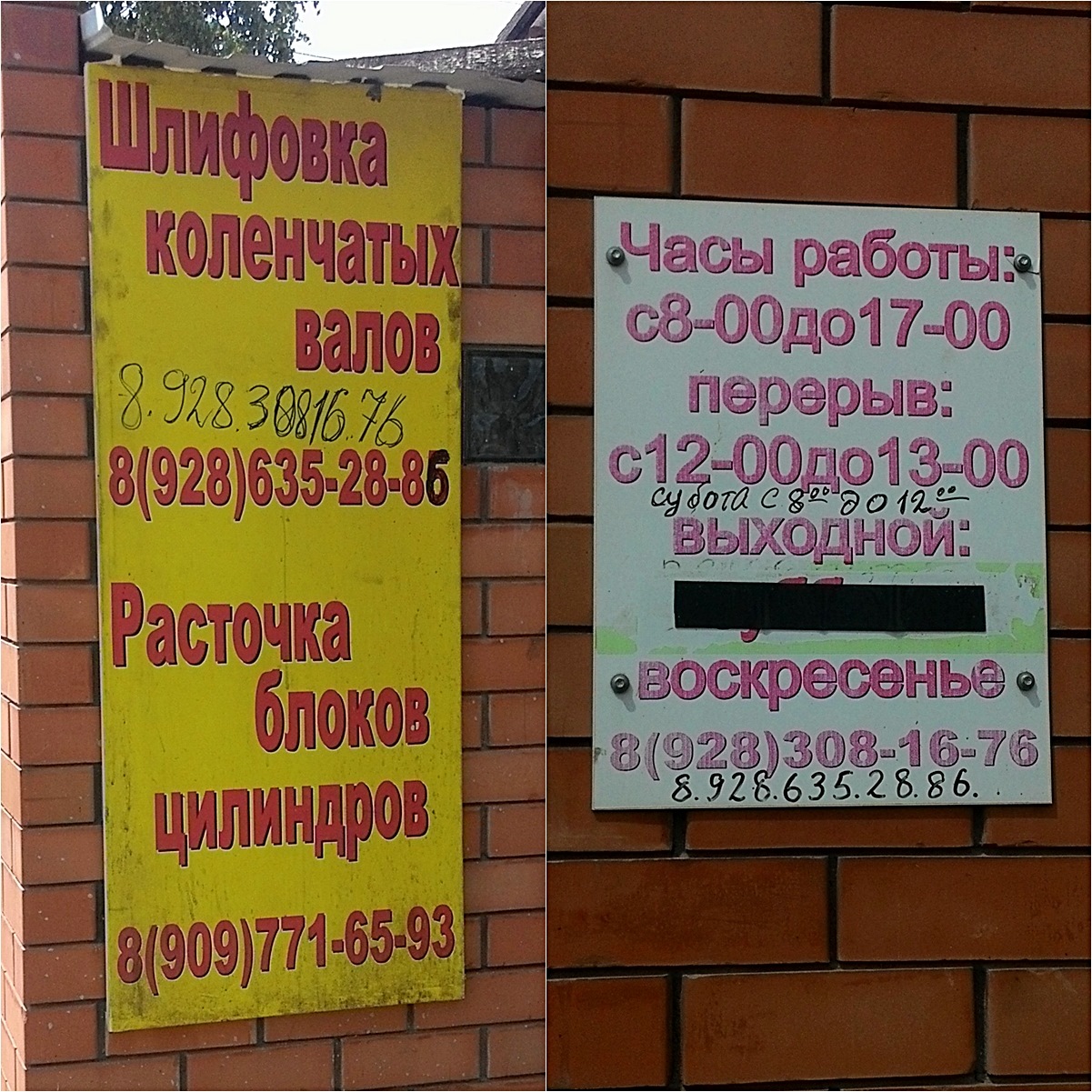
которые будут полезны для жителей КМВ.
А теперь плавно перейдём к ГБЦ. Для ремонта ГБЦ мы воспользовались услугами ремонтного предприятия "ГАРО", которое находится в Пятигорске.
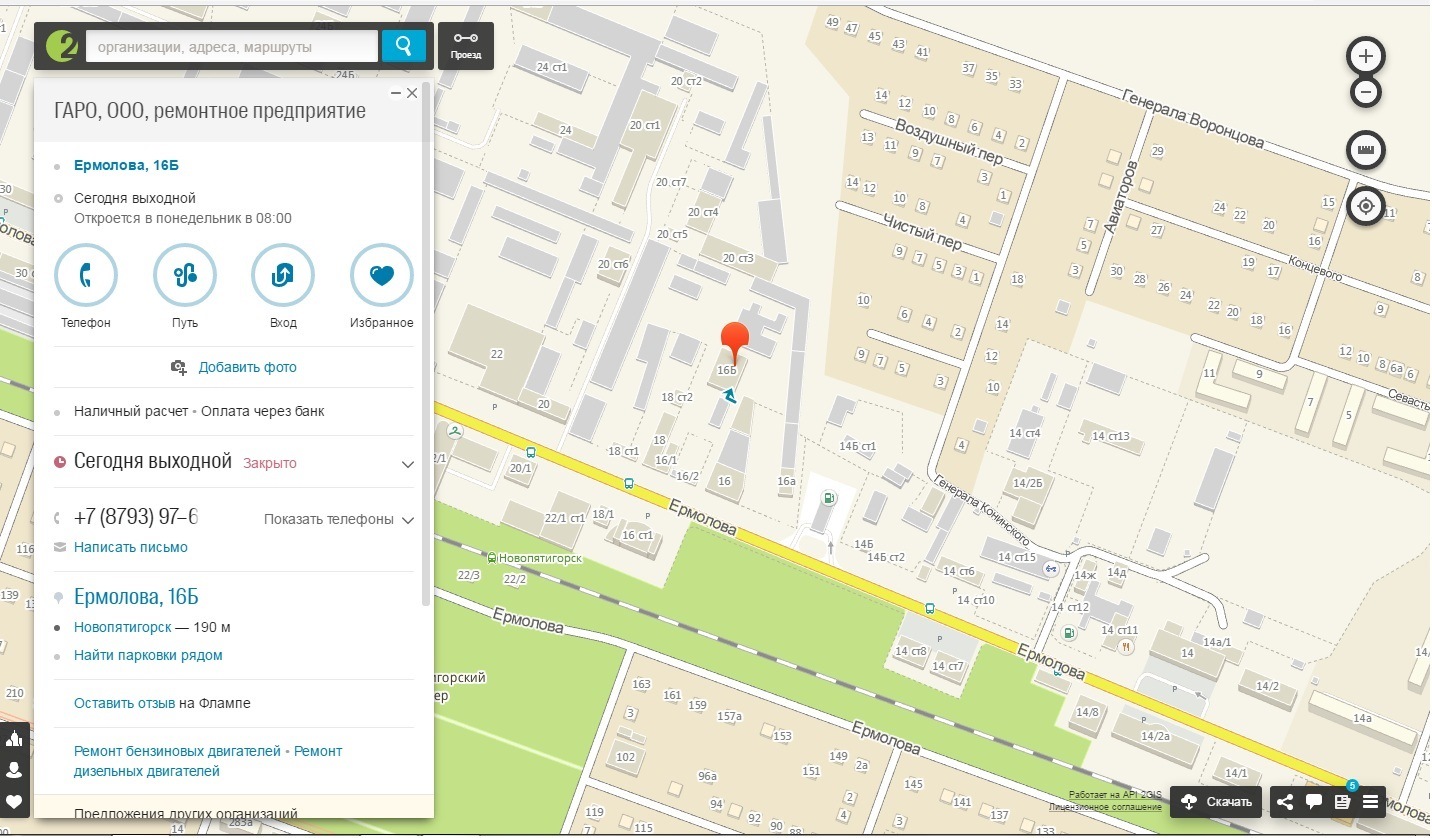
Из перечисленного ранее списка нам подошли только маслосъемные колпачки "Toyota" 90913-02110. А вот впускные клапана "Toyota" 13711-35051 и выпускные клапана "Toyota" 13715-35020 пришлось дорабатывать. Тарелки оказались слишком широкими и они не садились в посадочные места. Плюс ещё сёдла впускного клапана "Toyota" 11131-35011 и сёдла выпускного клапана "Toyota" 11135-35020 не подходили по размеру и поэтому сёдла пришлось сделать под заказ. Ну а направляющие втулки клапанов "Toyota" 11122-38021 не использовали, потому что оставили заводские, так как они оказались в хорошем рабочем состоянии. В итоге вот, что мы получили.
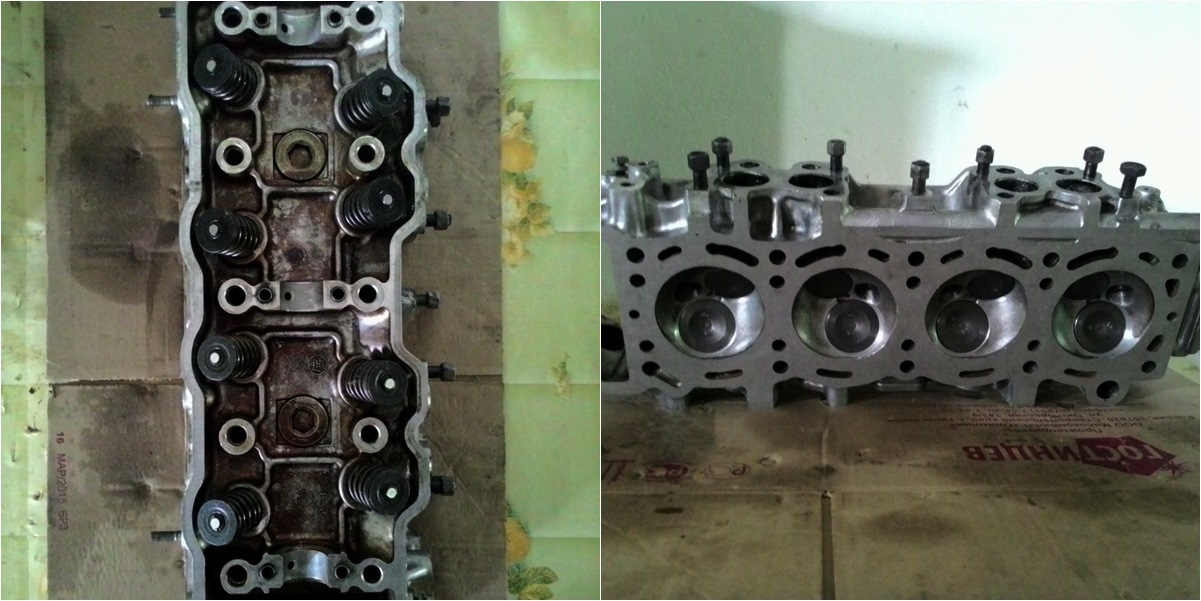
Если честно, то я не очень доволен работой "ГАРО". Вся ГБЦ грязная, в мазуте, в песке. Мои ожидания были совсем другими. Ну да ладно, сами отмоем, почистим, приведём в нормальный внешний вид. Главное, чтобы в дальнейшем всё работало как часы.
А теперь перейдём к поршневой группе. Для замены поршней мы так же воспользовались услугами "ГАРО" и я так же остался не доволен. Заместо упорных колец "Teikin", которые шли в комплекте, они установили упорные кольца от "Газели", спрашивается, ЗАЧЕМ?! Они это аргументировали тем, что упорные кольца "Teikin", в отличие от газеливских, не внушают доверия и выглядят хлипкими. А то, что установочные канавки в поршнях под кольца плоские, а не закруглённые, их это не смутило.
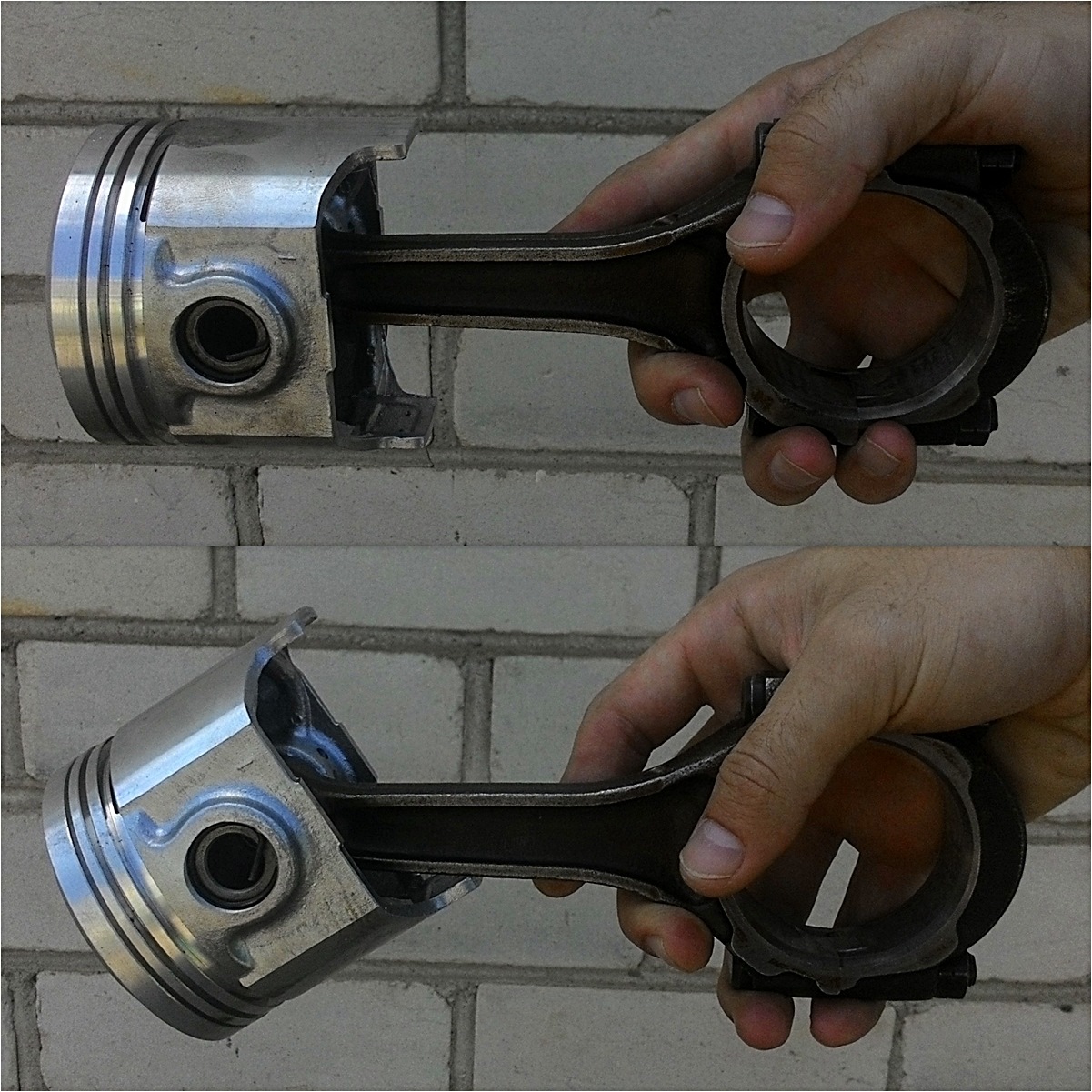
Так же у нас возник ещё один вопрос. После установки новых поршней и пальцев, два поршня с легкостью опускались под своим весом, находясь в горизонтальном положении. А два других поршня не сдвигались с места, находясь в том же горизонтальном положении (на фото видно). Первая мысль была, это некачественная установка. После подумали об износе втулок шатунов. Ну и на основании этого были куплены новые втулки шатунов "Taiho" P010HSTD
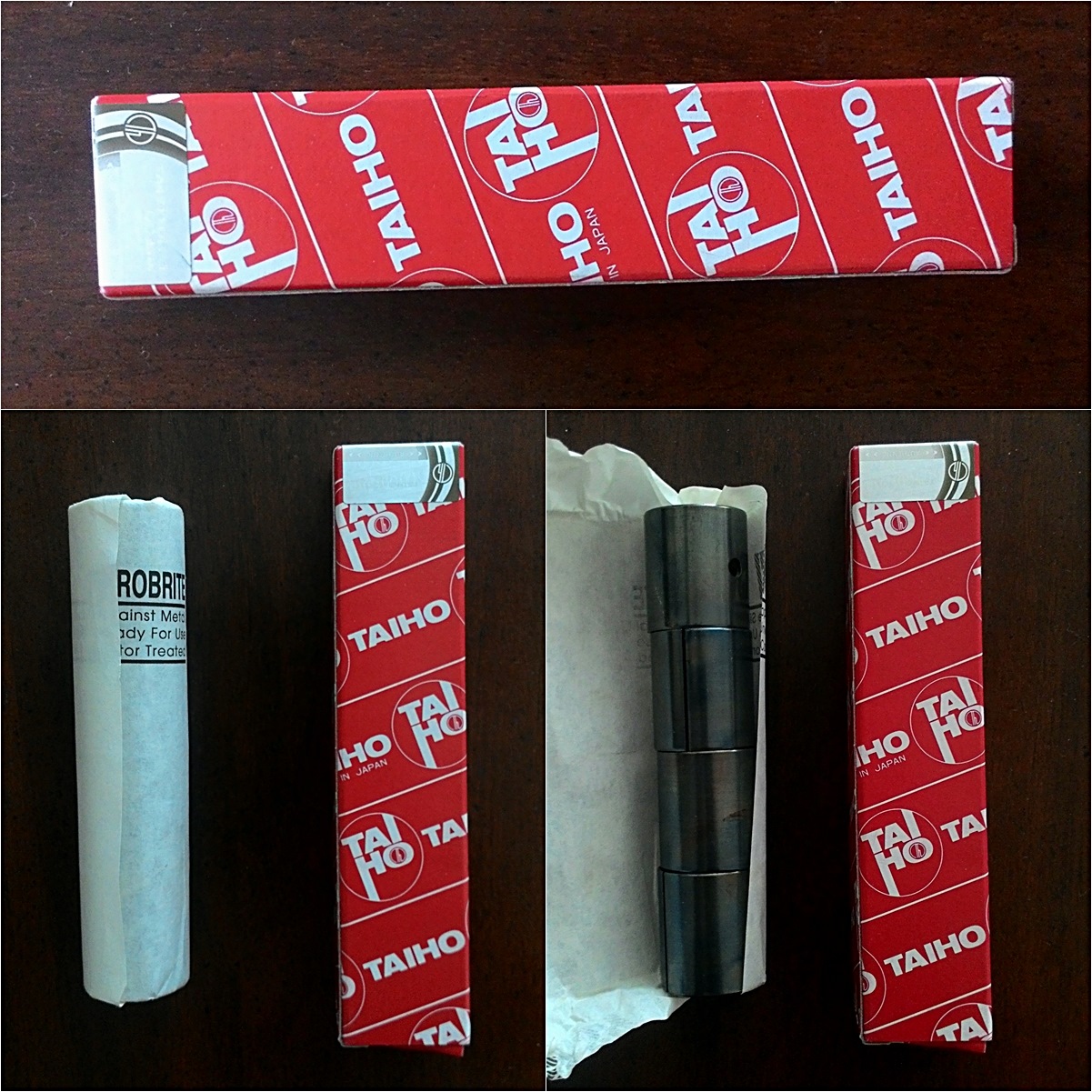
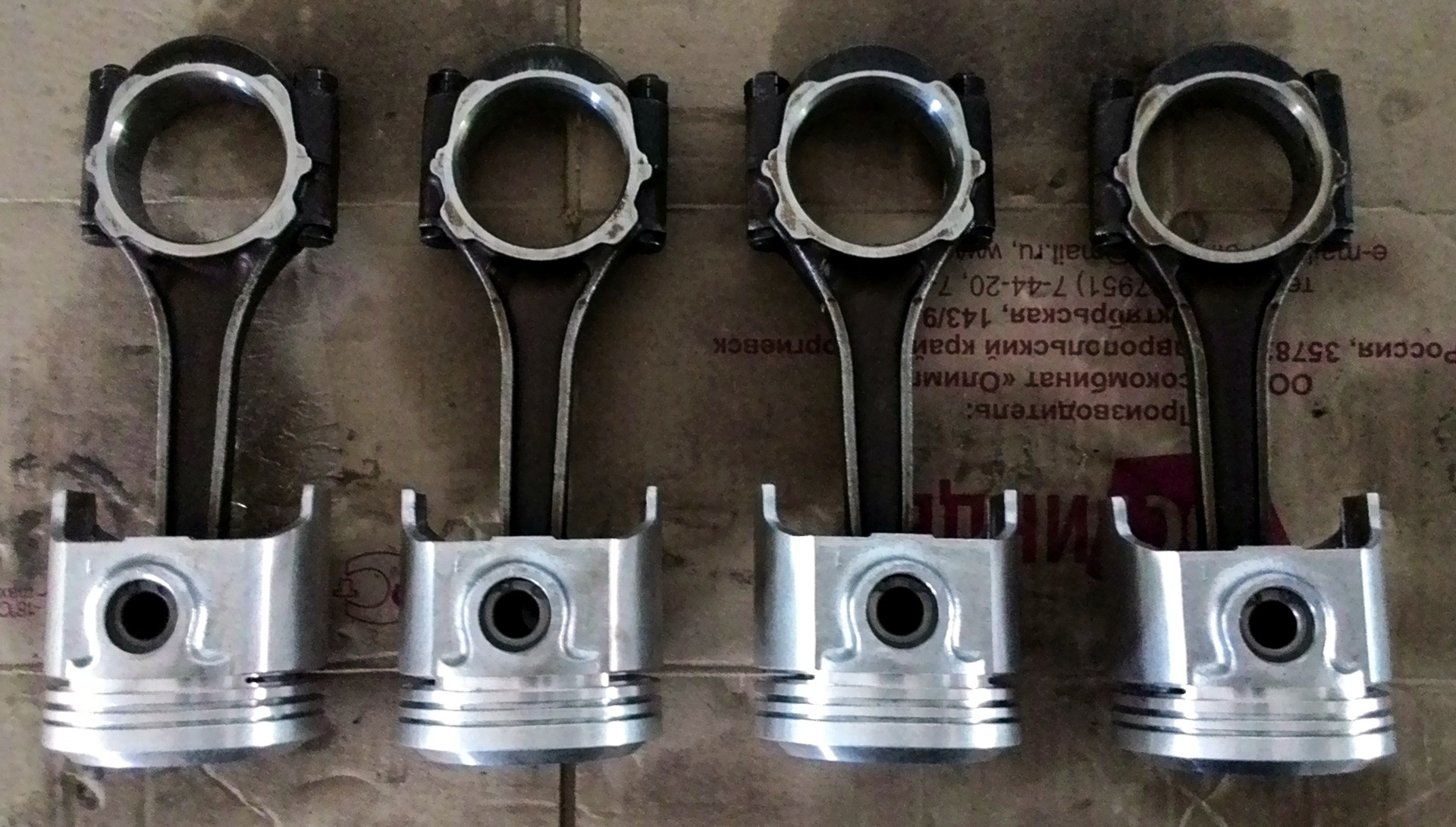
Затем знакомые помогли найти другого токаря, который посмотрел на всю эту картину и посоветовал капнуть масла между втулкой и пальцем. Ну и как гласят требования указанные в мануале "Зазор между втулкой и пальцем должен быть таким, чтобы палец, когда покрыт моторным маслом, мог устанавливаться под давлением большого пальца руки при нормальной температуре". После этой процедуры все 4 поршня с легкостью опускались вниз под своим весом. А так же я установил упорные кольца "Teikin", которые шли в комплекте.
Ещё приобрёл полный комплект прокладок "Teikin" TF9080NK для двигателя.
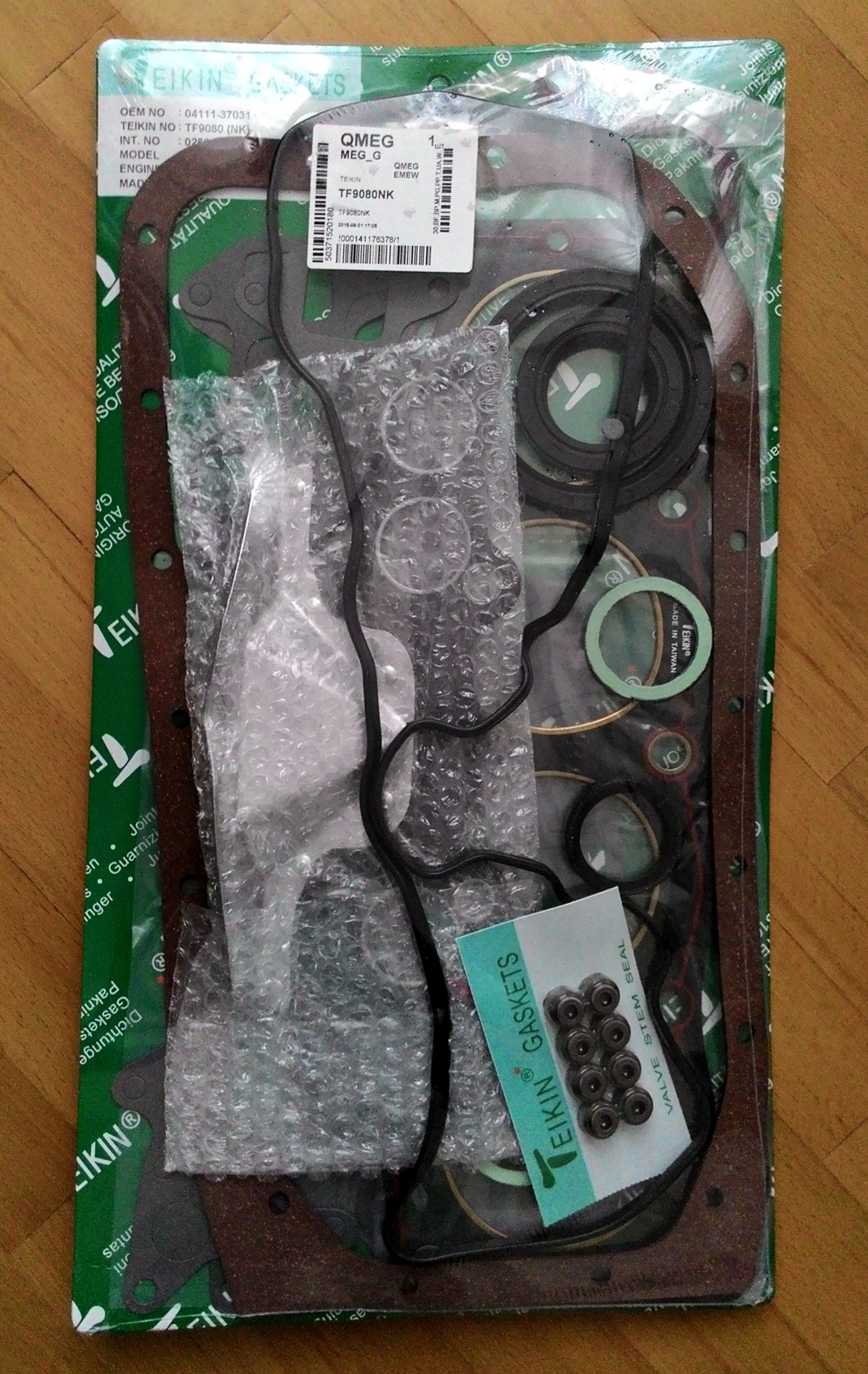
Запчасти на фото: 0411137031, TF9080NK
Made in Taiwan.
Теперь осталось все это отмыть, покрасить и собрать. Но об этом я напишу в следующих записях бортового журнала.
И заключительная фотографии всех моих покупок.
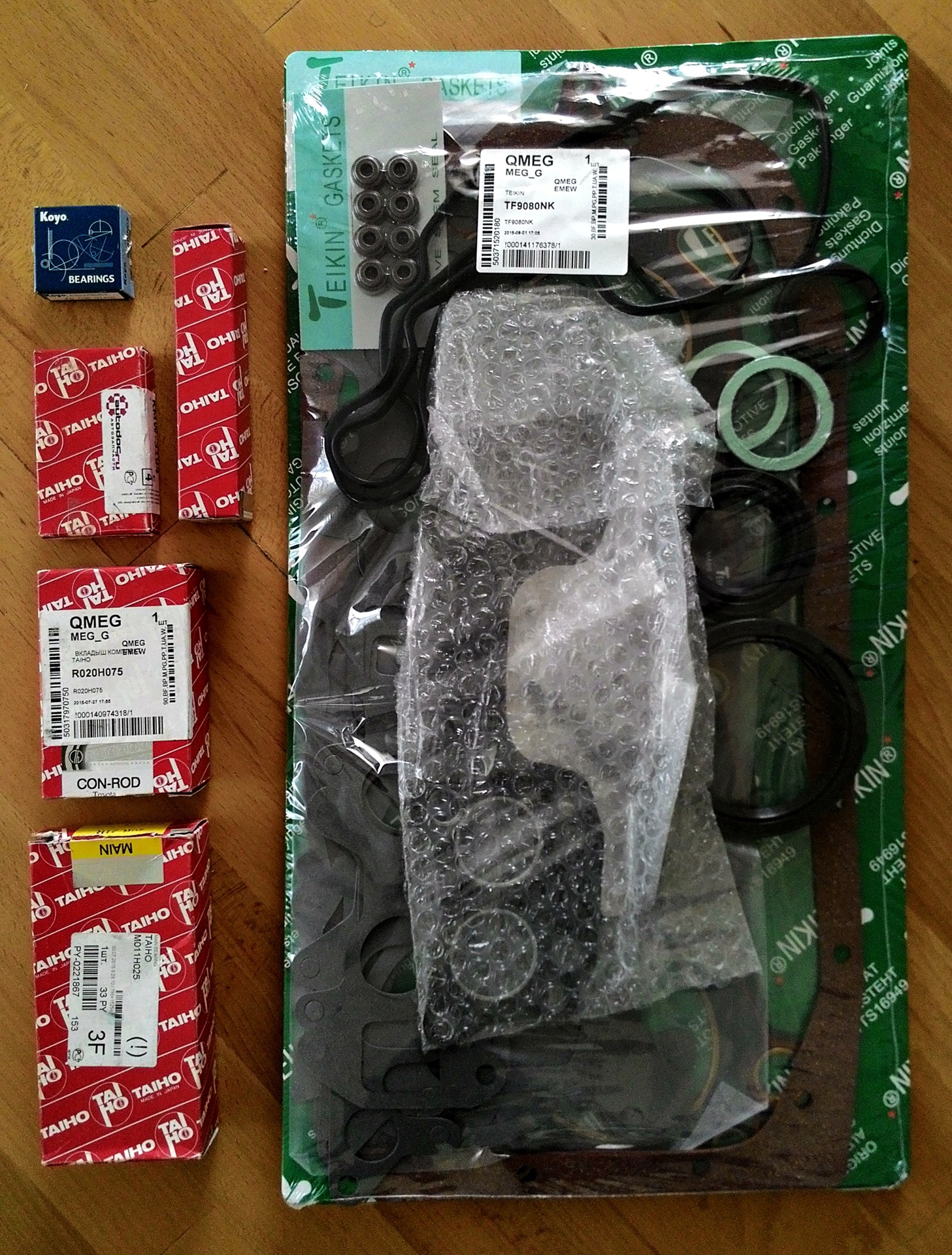
Запчасти на фото: TF9080NK
Спасибо Всем за внимание!
Комментарии
Пока нет одобренных комментариев.