Всем привет)
Тут будет не очень интересно простым читателям, хоть картинок и много, но почти ничего не понятно будет) поэтому советую просто посмотреть видос как работает ДВС после капиталки, в самом конце, и прочитать последний абзац) тем кто захочет повторить не пугайтесь, тут сразу будет мало понятно, но когда будет двигталь перед глазами все прояснится. Все очень и очень легко.
Уже несколько человек спросили у меня, а как же подключить 21R-U, выкинув ЕГР? Ведь как известно от ЕГР сплошные проблемы. От него засоряется впускной коллектор. Летом особенно падает мощность от перегрева коллектора впускного, а значит плотность воздуха ниже. В конце концов компрессор на карбюраторных ДВС съедает часть мощности, а его наддув не особо помогает.
Итак. Во первых надо вырезать катализатор (вдруг у кого-то ещё стоит). Пусть двигатель дышит. Во вторых снять компрессор ЕГР. Он рядом с компрессором кондиционера. В третьих снять всю эту фигню
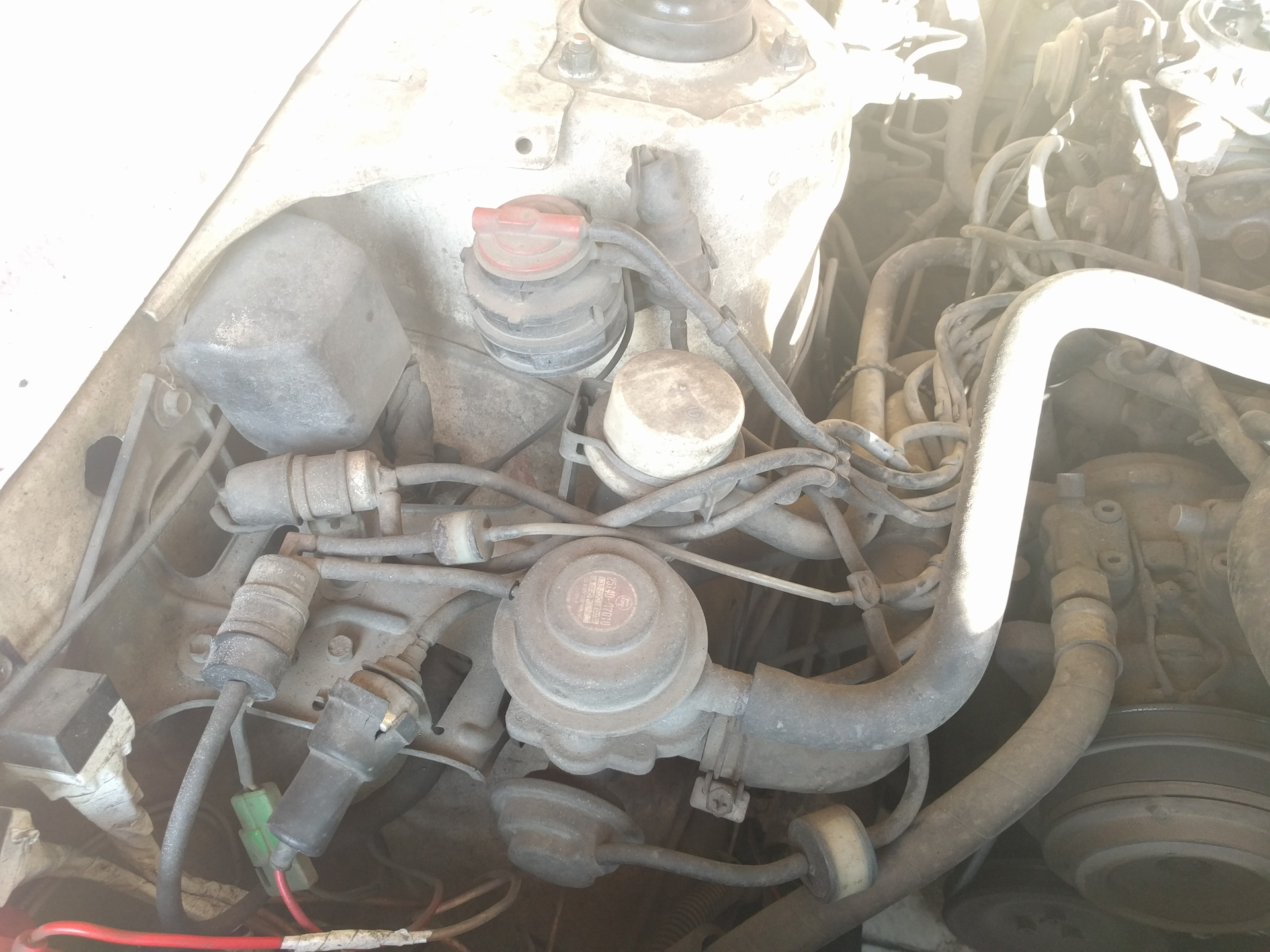
И в четвёртых подключить вакуумные трубочки как положено, что б не было подсоса воздуха во впускной.
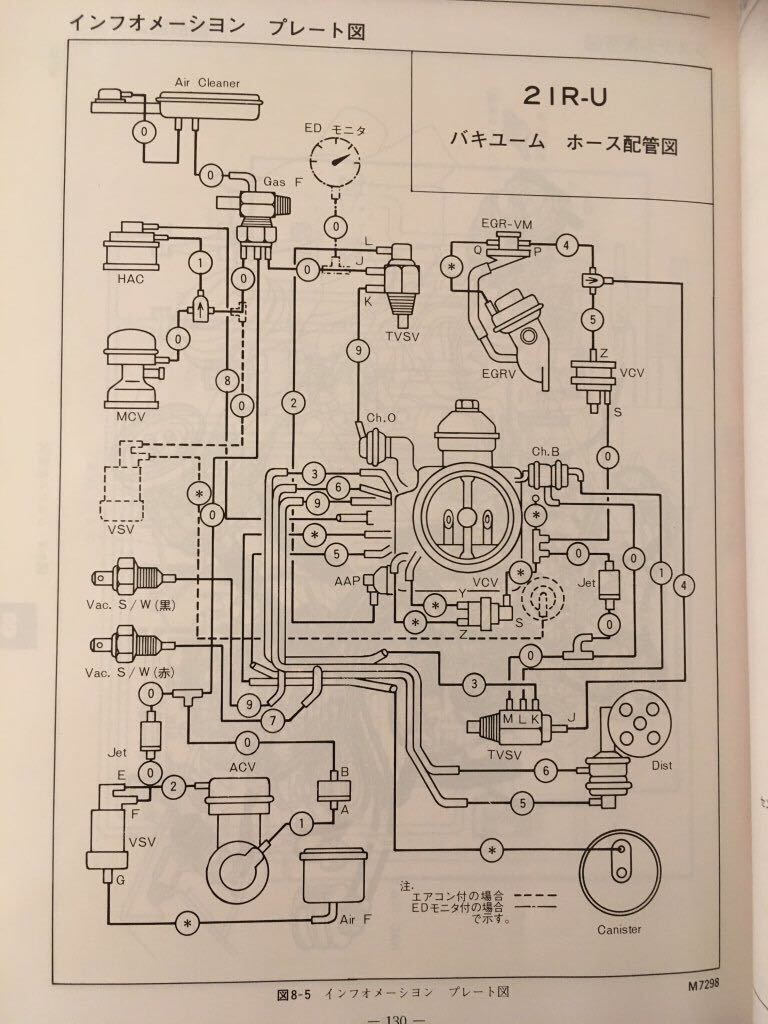
Ниже показана схема подключения вакуумной системы по заводу, за нее огромное спасибо aconis
А вот как все подключить, после того как все лишнее выкинуто
На кастрюле все остаётся как есть, только два патрубка, куда наддув выхлопа был подсоединён, надо заглушить. Можно заварить а можно натянуть пережатый шланг как у меня. Вид конечно не очень, зато просто и легко исправимо)
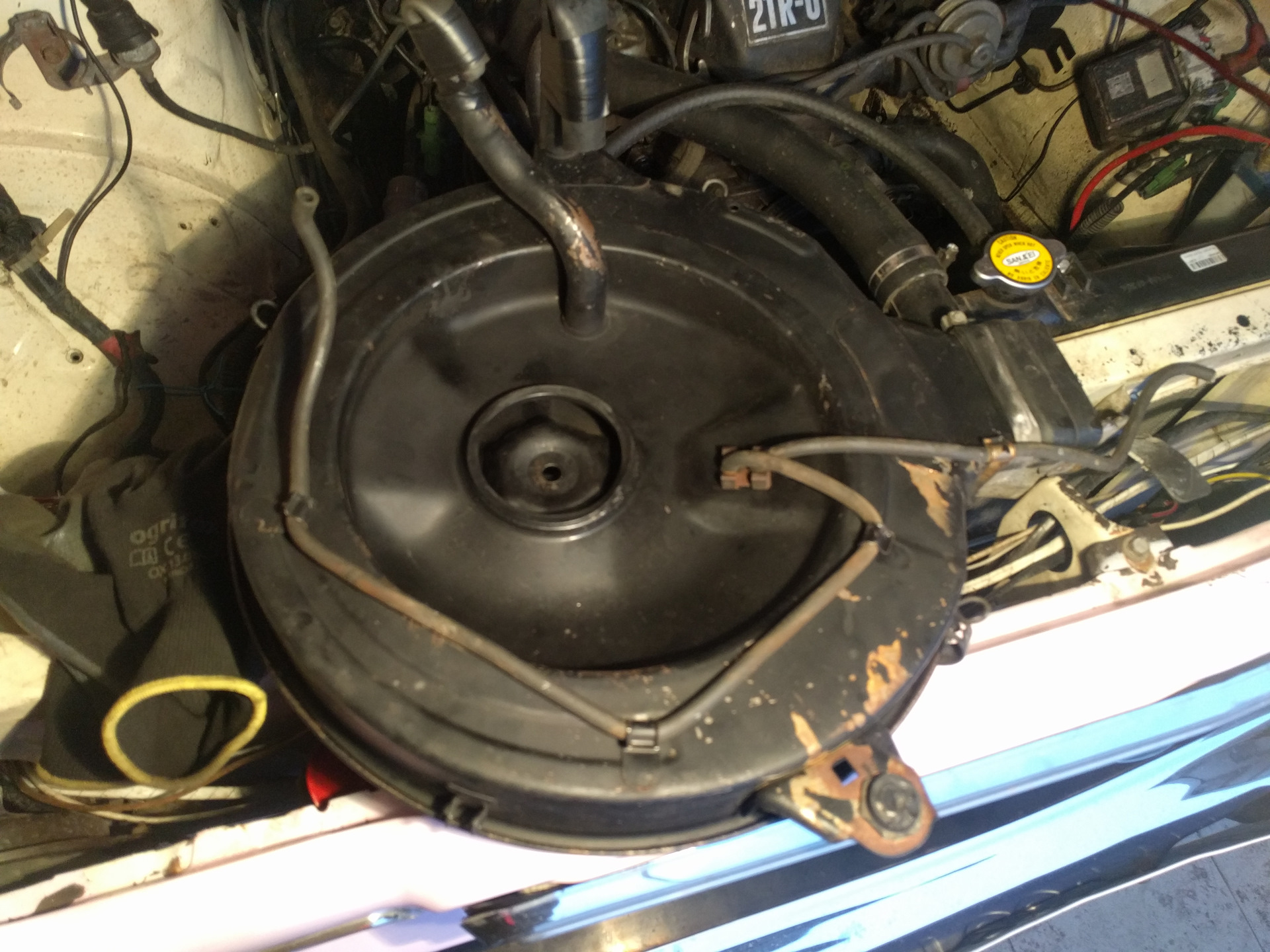
Трубочки по кастрюле должны идти как на фото, и один конец подключен к клапану подогрева воздуха зимой. Вот он
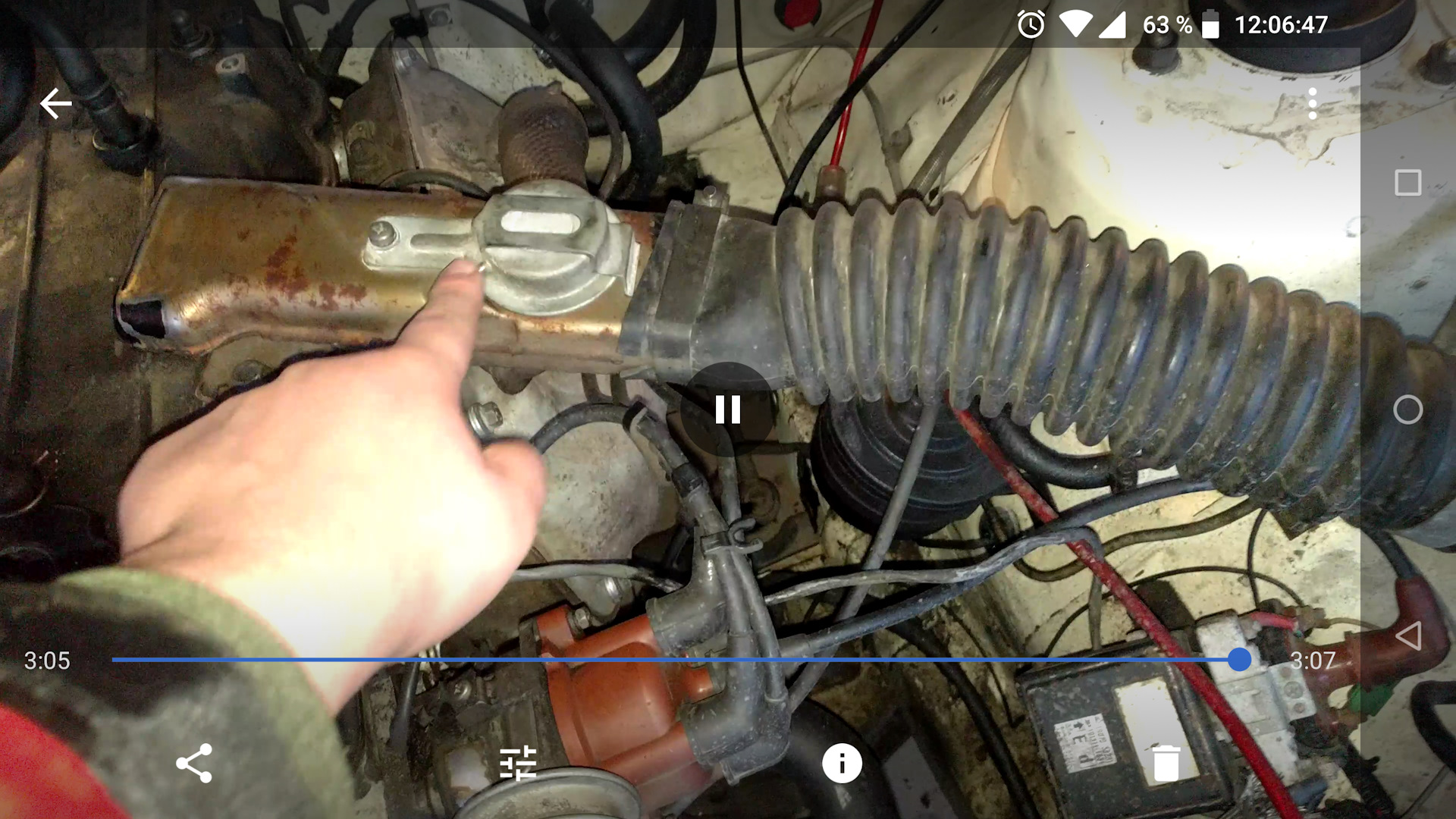
А другой их конец подключаться сюда (на фото палец показывает куда подключать, там датчик с тремя выводами, в один из них)
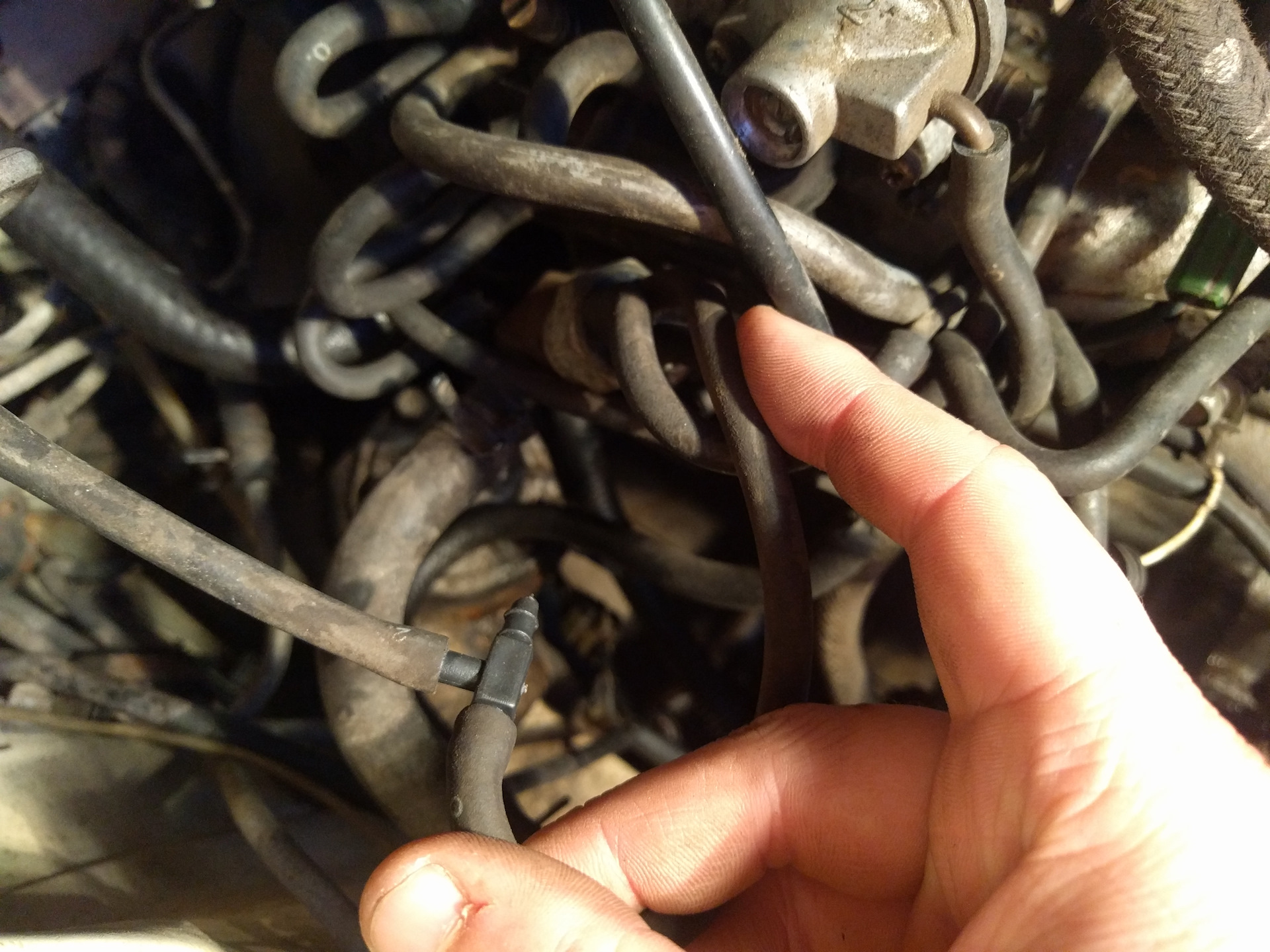
Там где раньше была система управления егр, должен остаться один единственный датчик, на фото ниже:
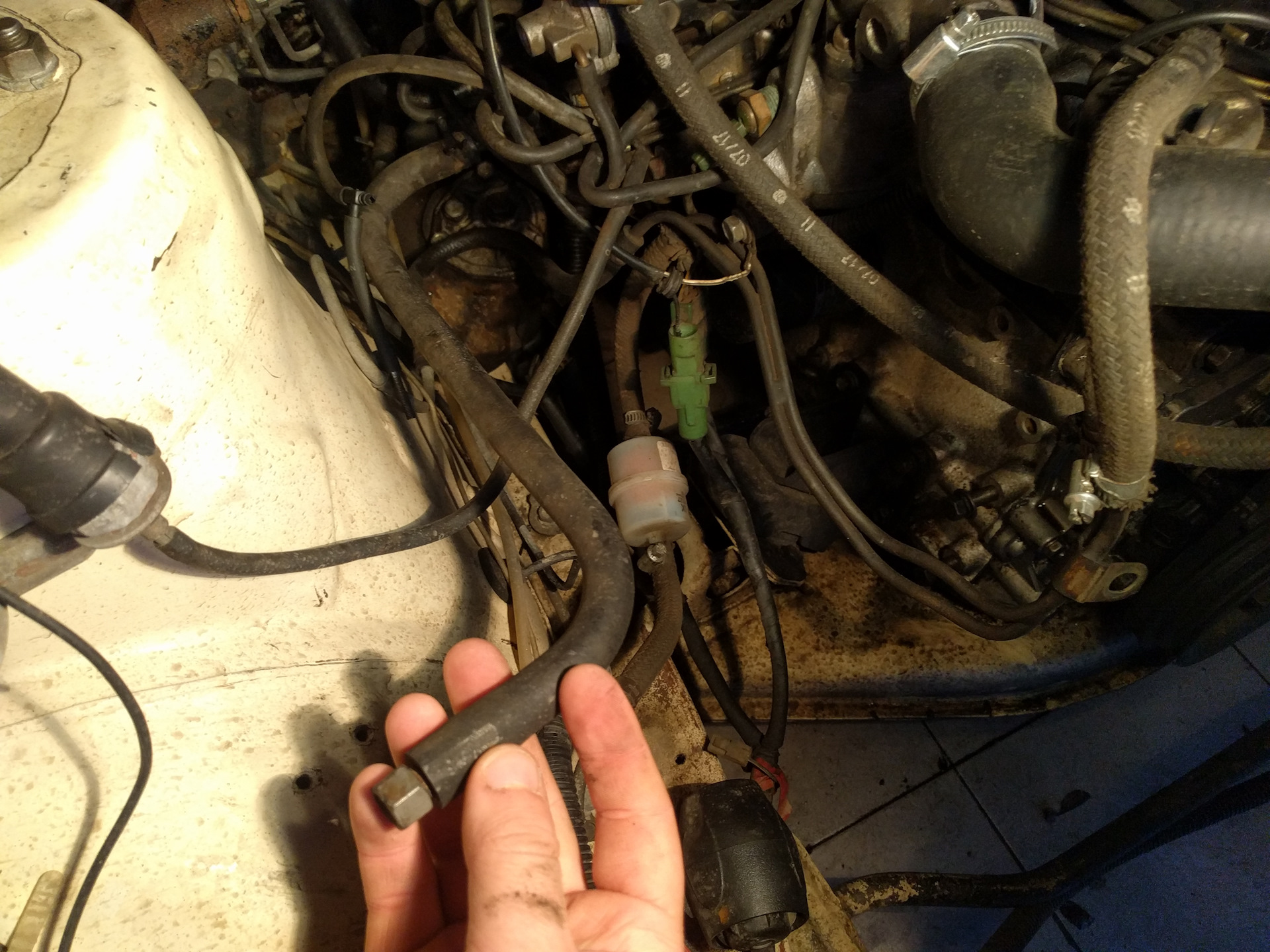
И заглушить трубку, идущую прям из впускного коллектора. Без этого не запустить мотор. Все, там больше ничего.
Датчик который надо оставить подключается сюда
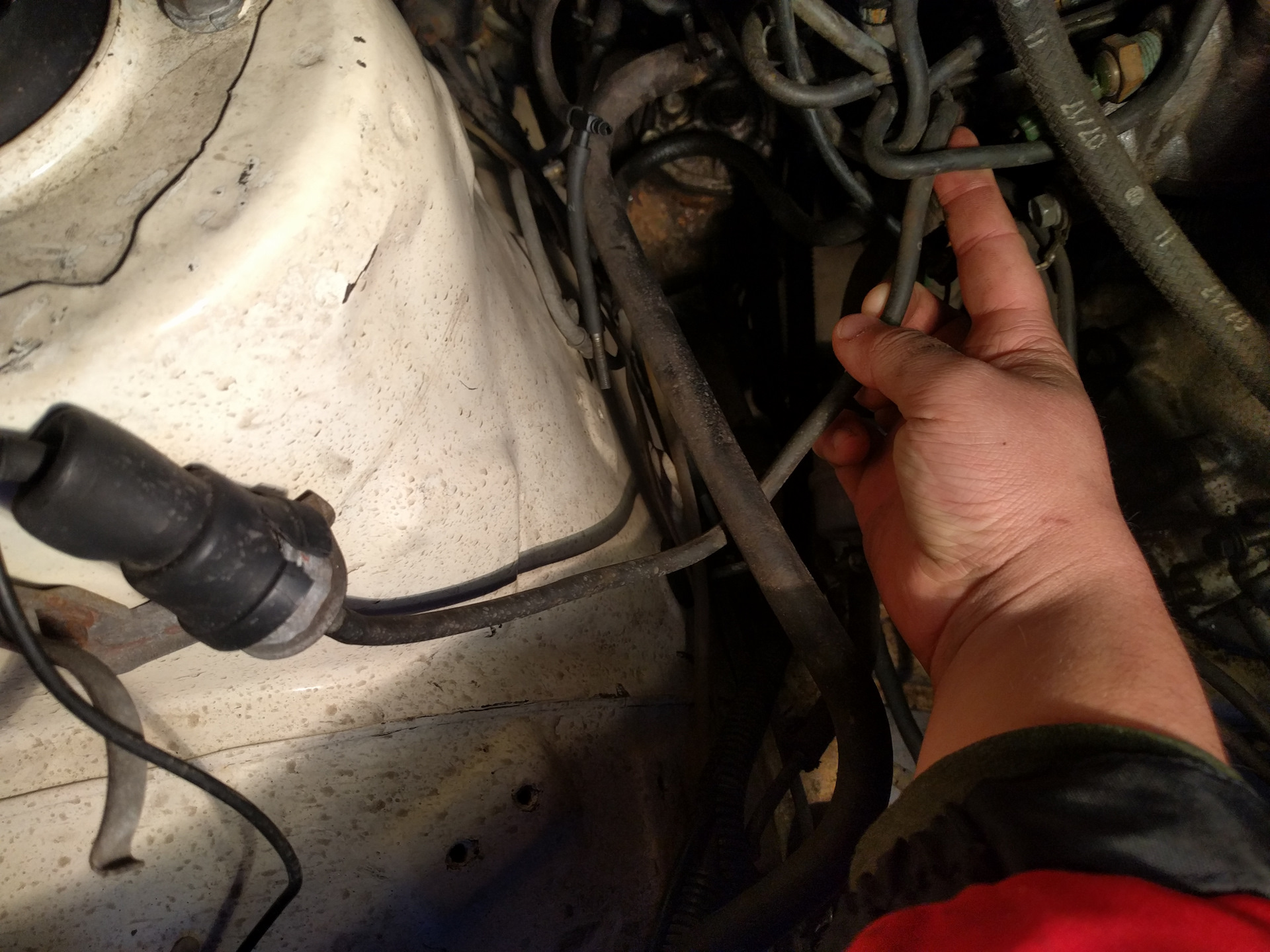
Этот патрубок идет на абсорбер (он рядом с выпускным коллектором)
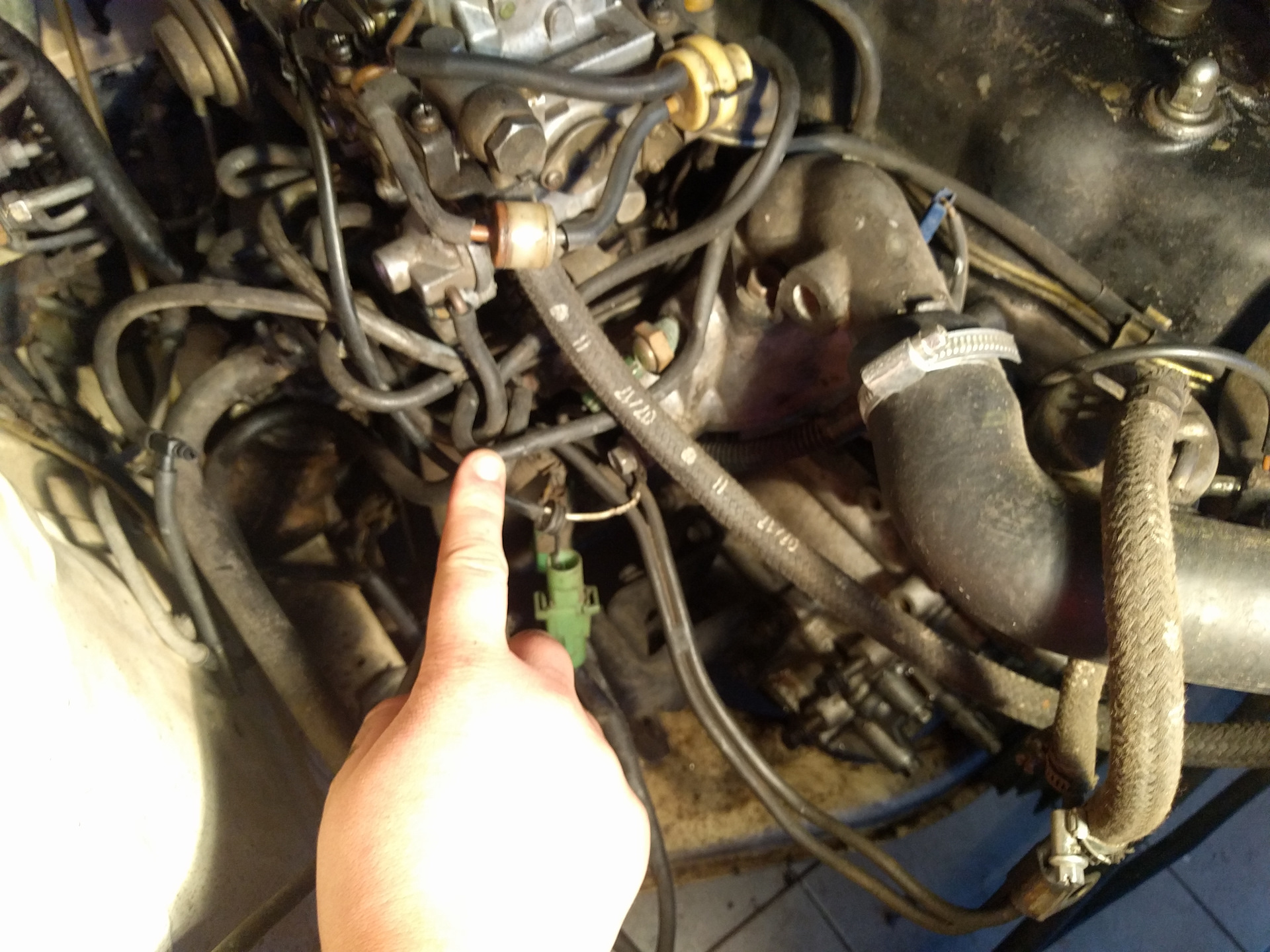
Так же ставятся три перемычки как на фото ниже
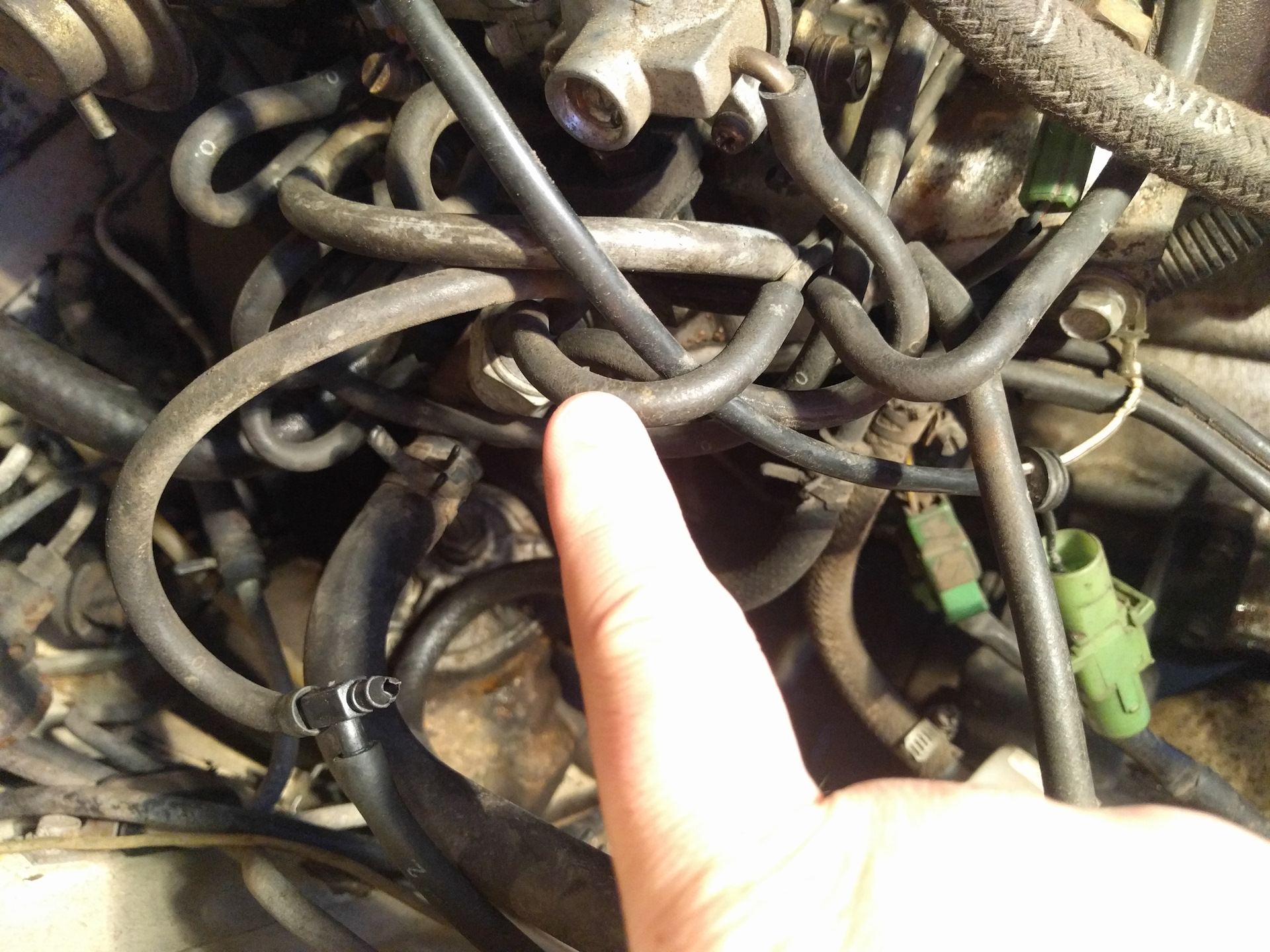
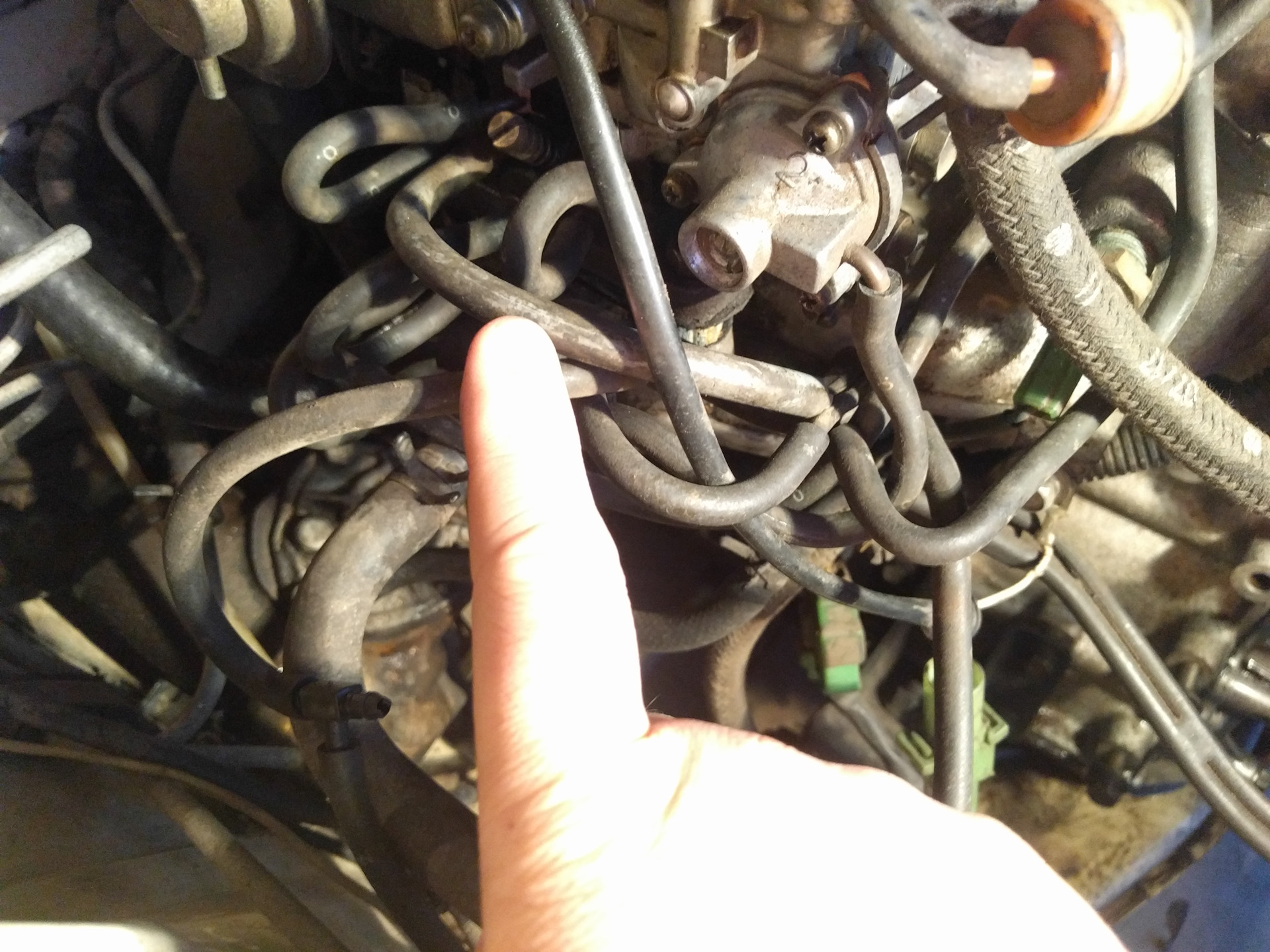
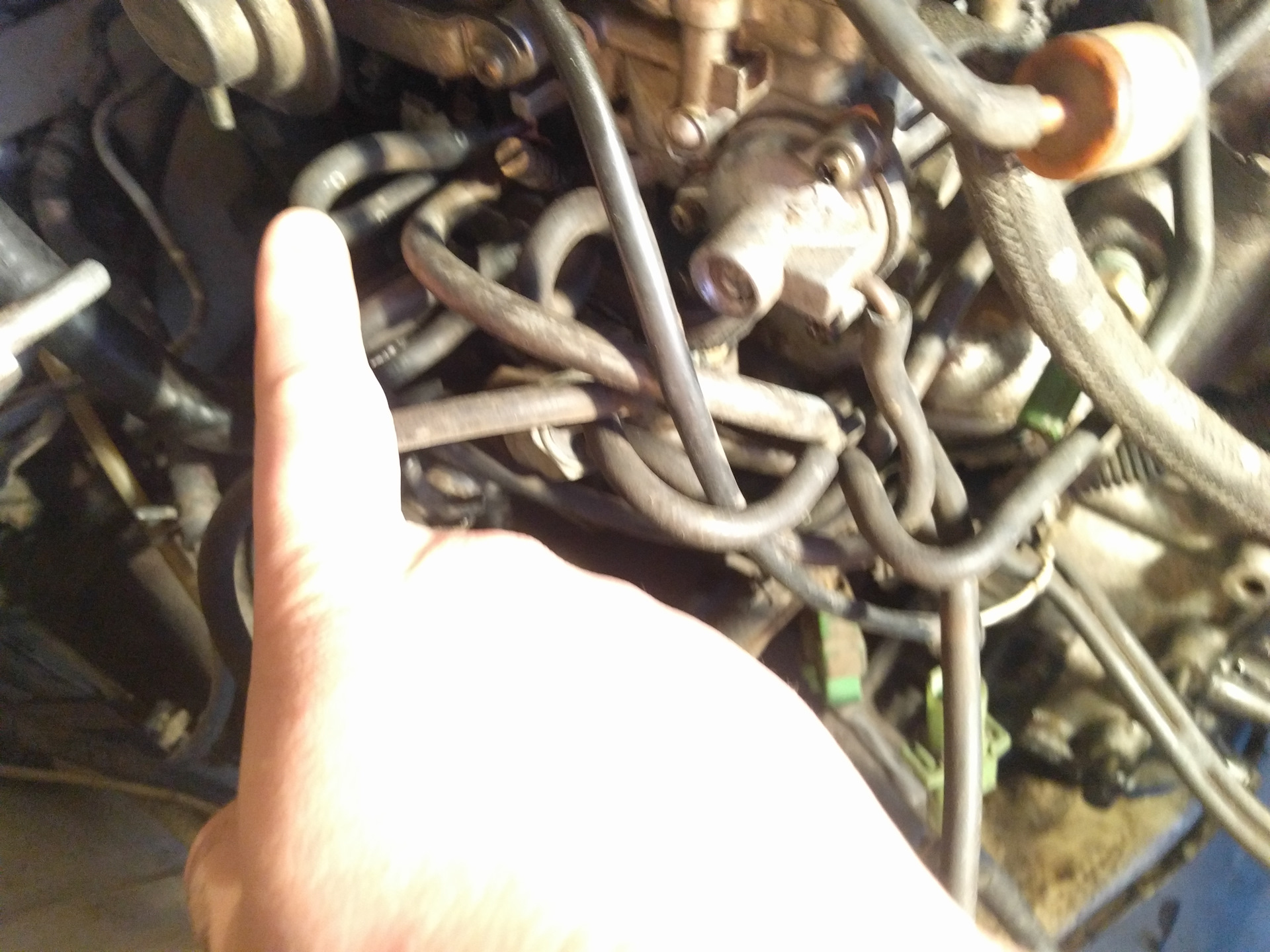
И в общем вот такой вид должен получиться.
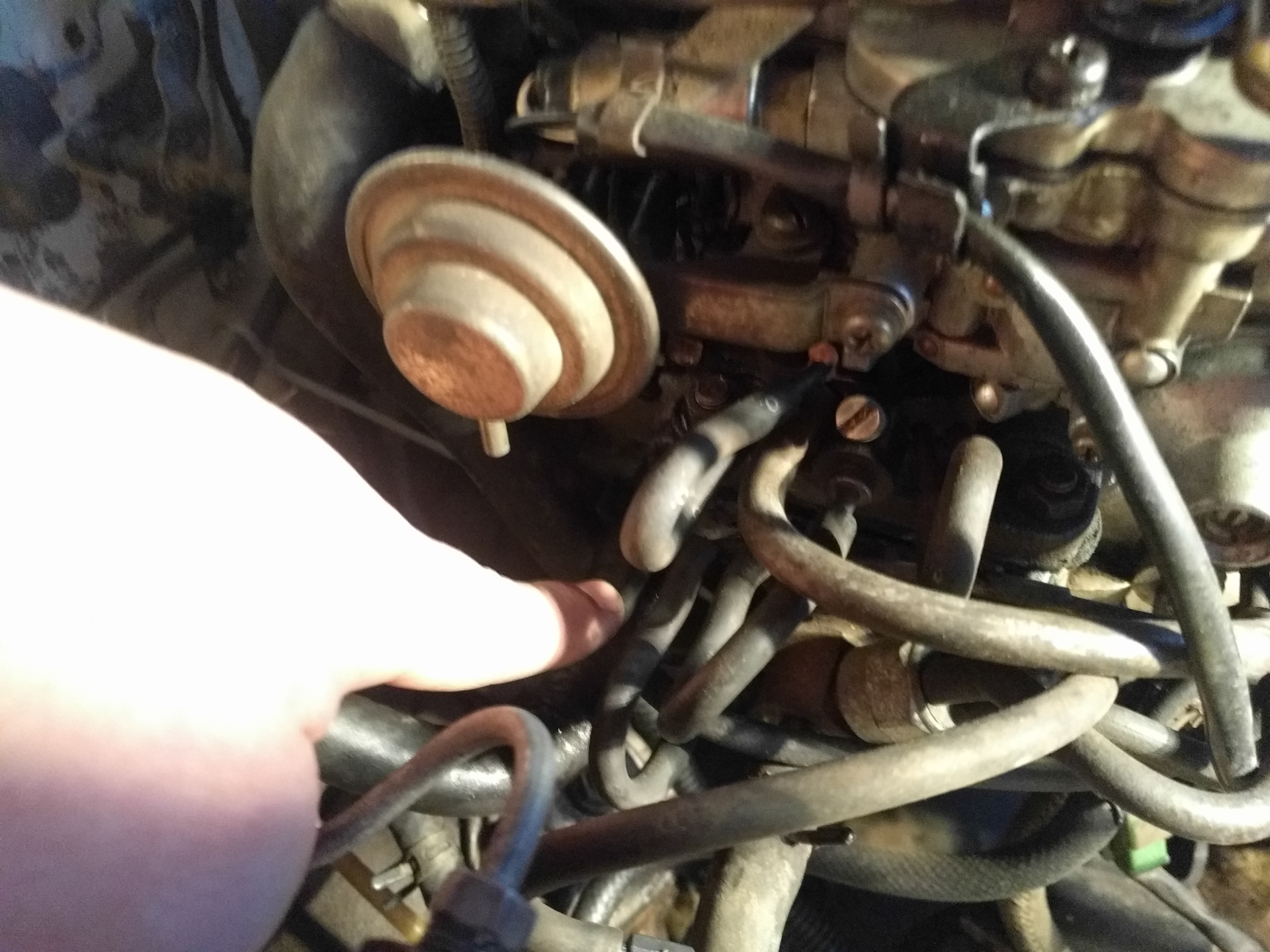
Со стороны двигателя все остаётся практически без изменений, за исключением не подключенных трубочек, которые раньше шли на егр.
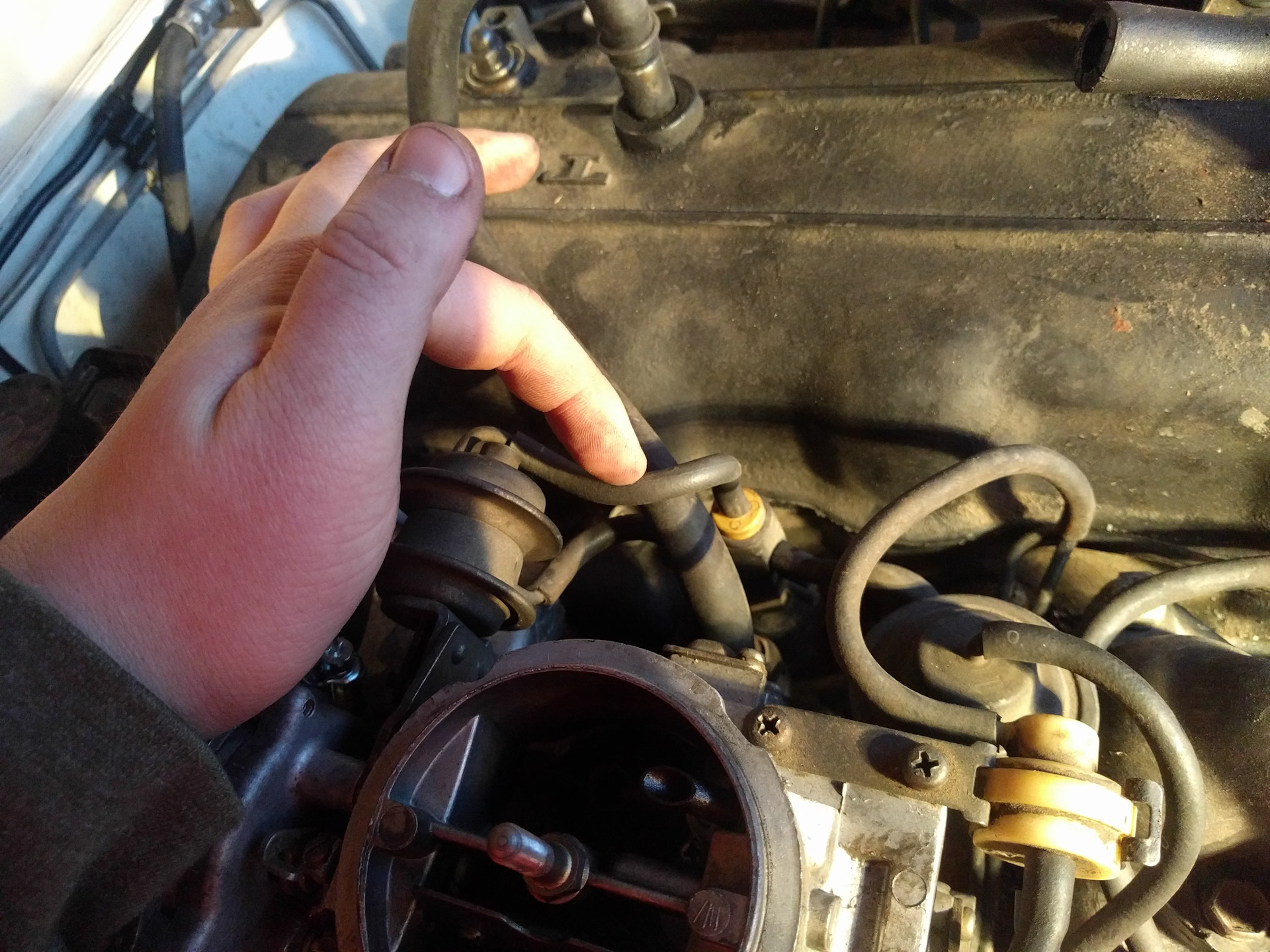
Сам главный клапан естественно подключать не надо, но стоять он должен как заглушка.
Важно не забыть подключить основные трубочки
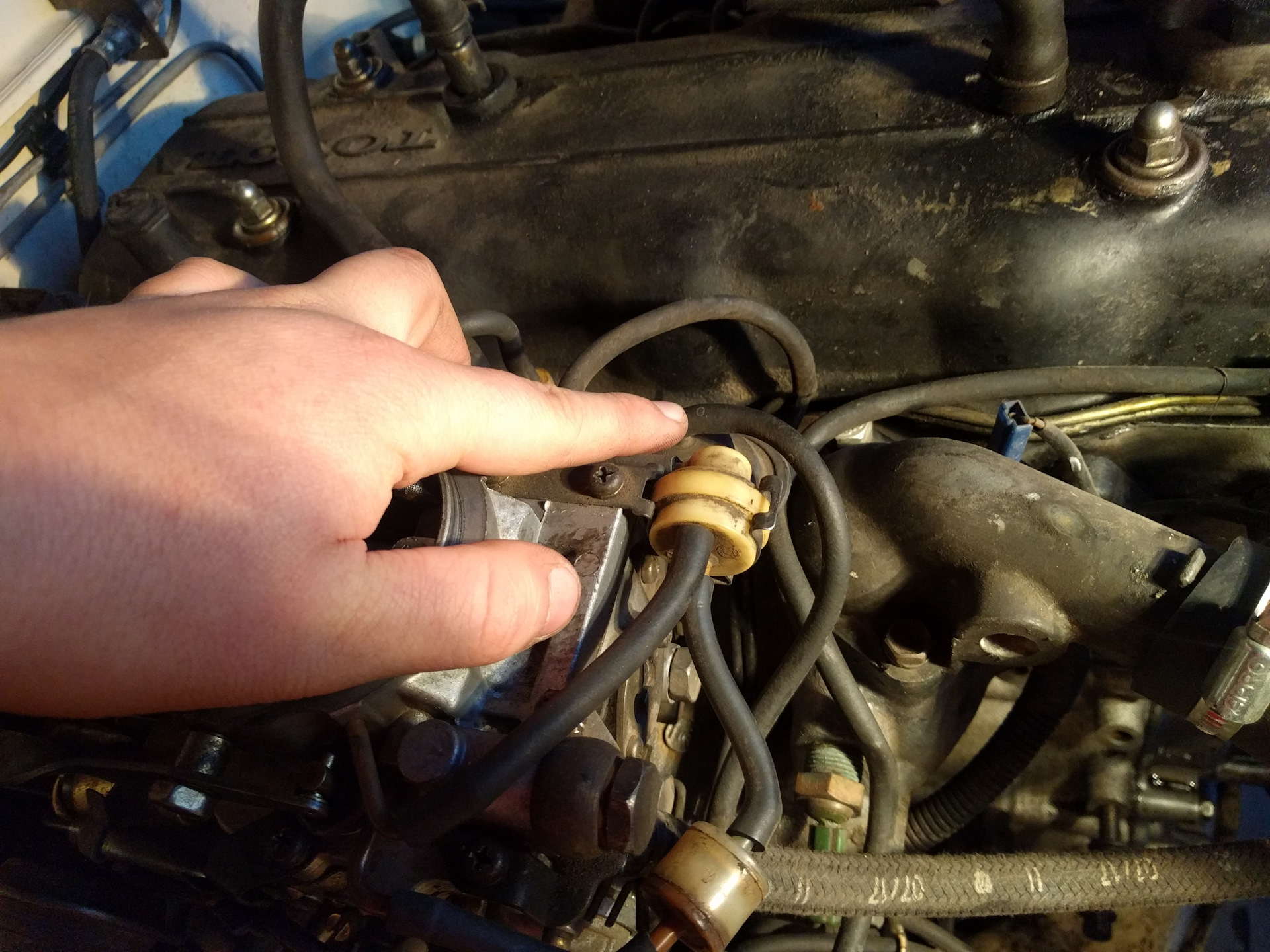
Да, как я и писал сходу ничего не понятно будет, но тот кто захочет сделать это сам, сможет подключить без проблем. Главное иметь перед собой двигатель, и дальше все само собой пойдет)
Итак, прошло уже 4 месяца с момента первого запуска, обкатку мотор прошел, та и вообще уже где-то 5000км прошел. Проблем практически не выявлено, кроме моих косяков) но про них расскажу чуть позже)
Запускается легко, с первой искры на самую холодную (если аккум заряжен и сразу крутит нормально, если подсевший с 5й искры где-то. Полуавтоматический прогрев работает идеально, две ступени как положено. И в остальном ровно все и красиво) расход 9.5литра в смешанном цикле (пробки, потом трасса, и потом опять город)
Видеоплеер:
VK ВидеоYouTube
Комментарии
Пока нет одобренных комментариев.