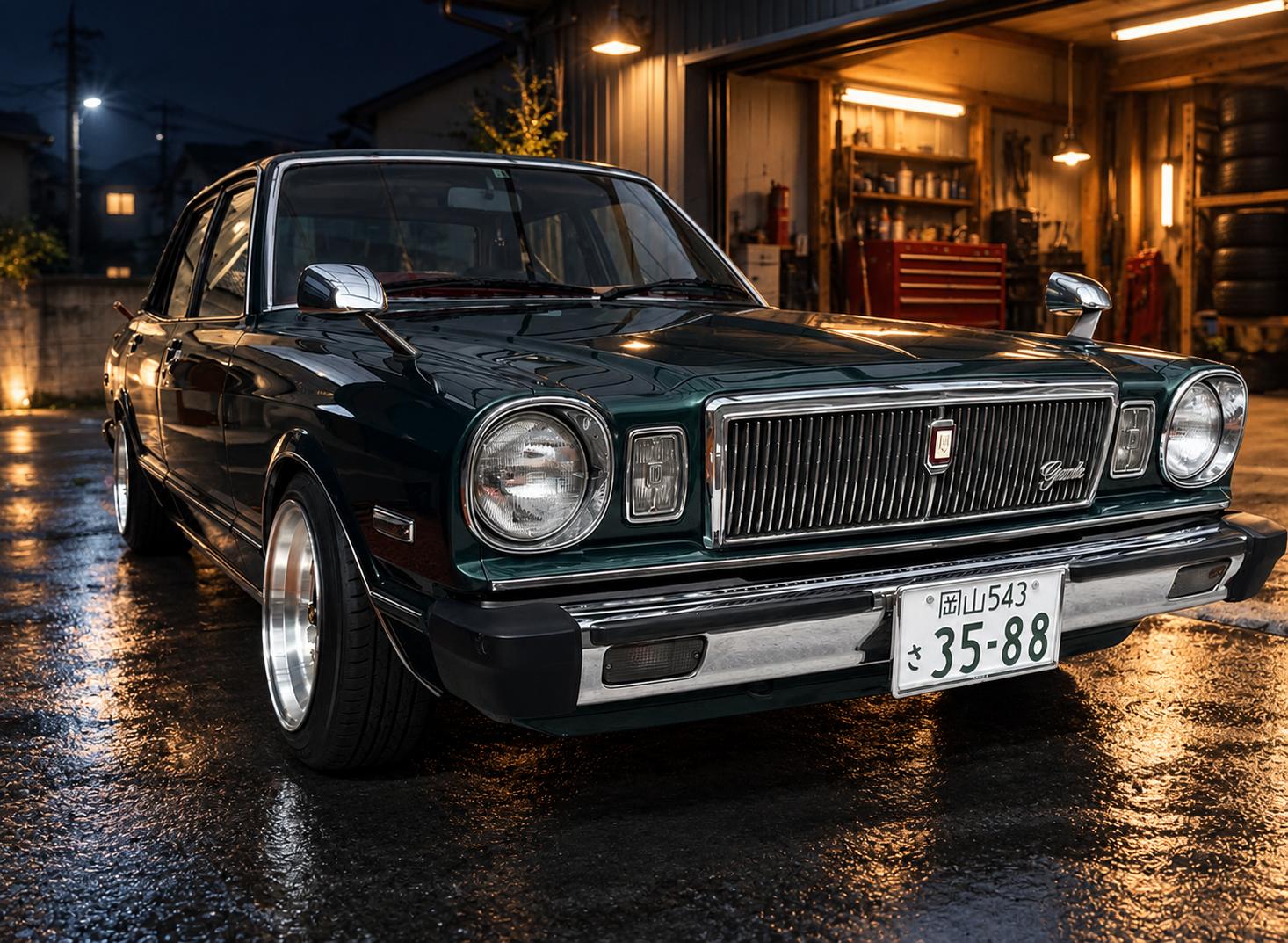
Итак к чему же эта запись. Решил я в том году заморочиться с тахометром. Так как у меня теперь не рядная шестерка под капотом тахо врёт и занижает обороты. mastaf в своей сокровищнице нашол тахо от четёрехкотловой TOYOTы и переслал мне за бартер, подробности бартера коммерческая тайна. Так вот поставил я тахометр и радости не было предела он показывал правильные обороты, правда показывал ни долго и нервно дёргал стрелкой на холостых. Через киллометров примерно 500 стрелка упала и больше не ожила. Поставил снова шестигоршковую версию врёт и показывает. Нашол ещё два шестицилинровых тахометра все показывают не дёргаются и естественно врут.
Так вот как же оживить 4-х цилиндровый тахо и в чем же принципиальная разница в них. По сборке и пайке явно видно что версия с 6-ти цилиндров собрана на порядок лучше и технологичнее. Если Калужане читают эту запись может есть в нашем колхозе Электронщики которые знают что это за зелёненькие и разноцветные хреновины припаяны к плате и как они работают и не работают, по механической части повреждений не видно.
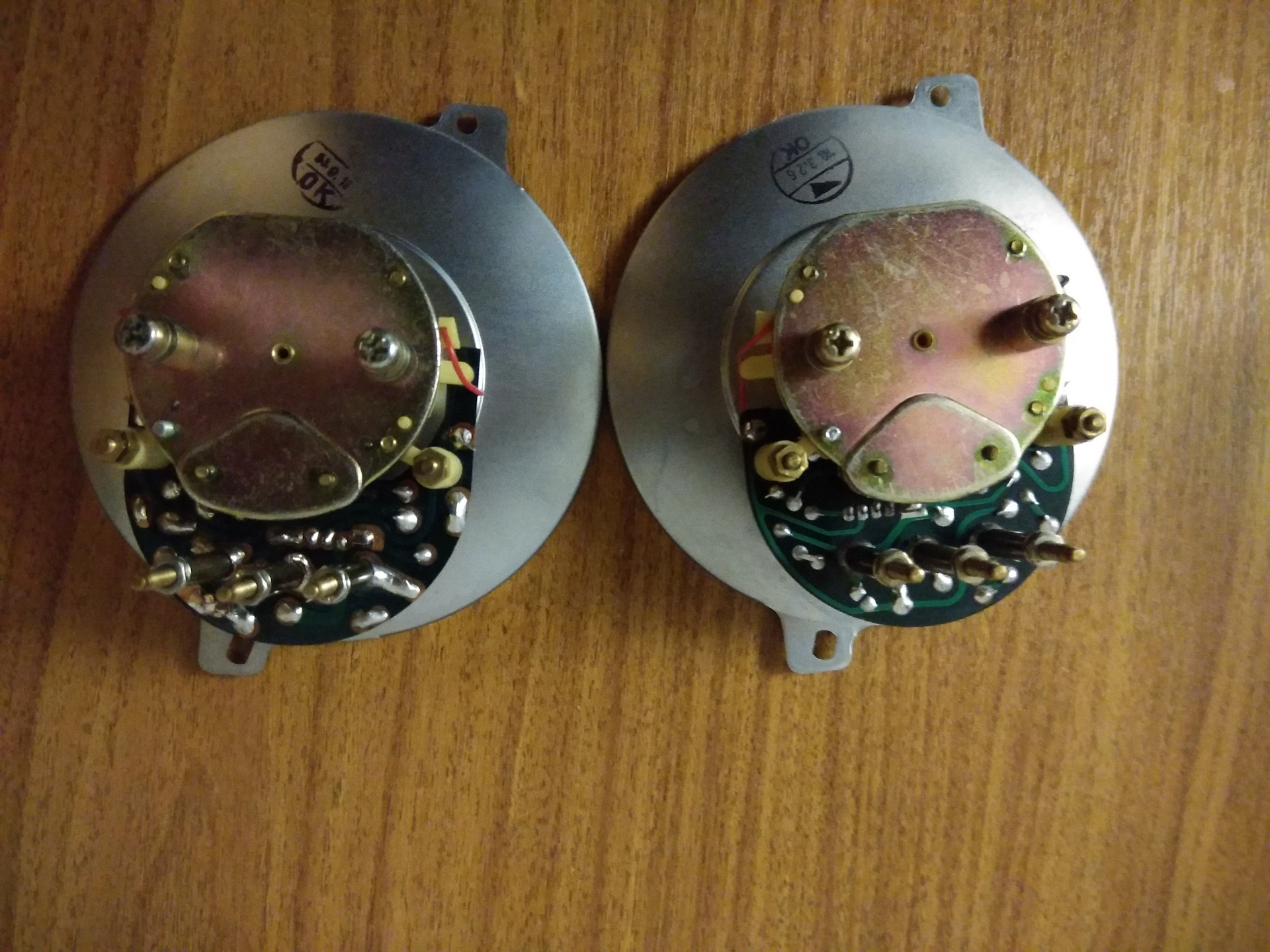
Слева 4-горшка справа 6-сть
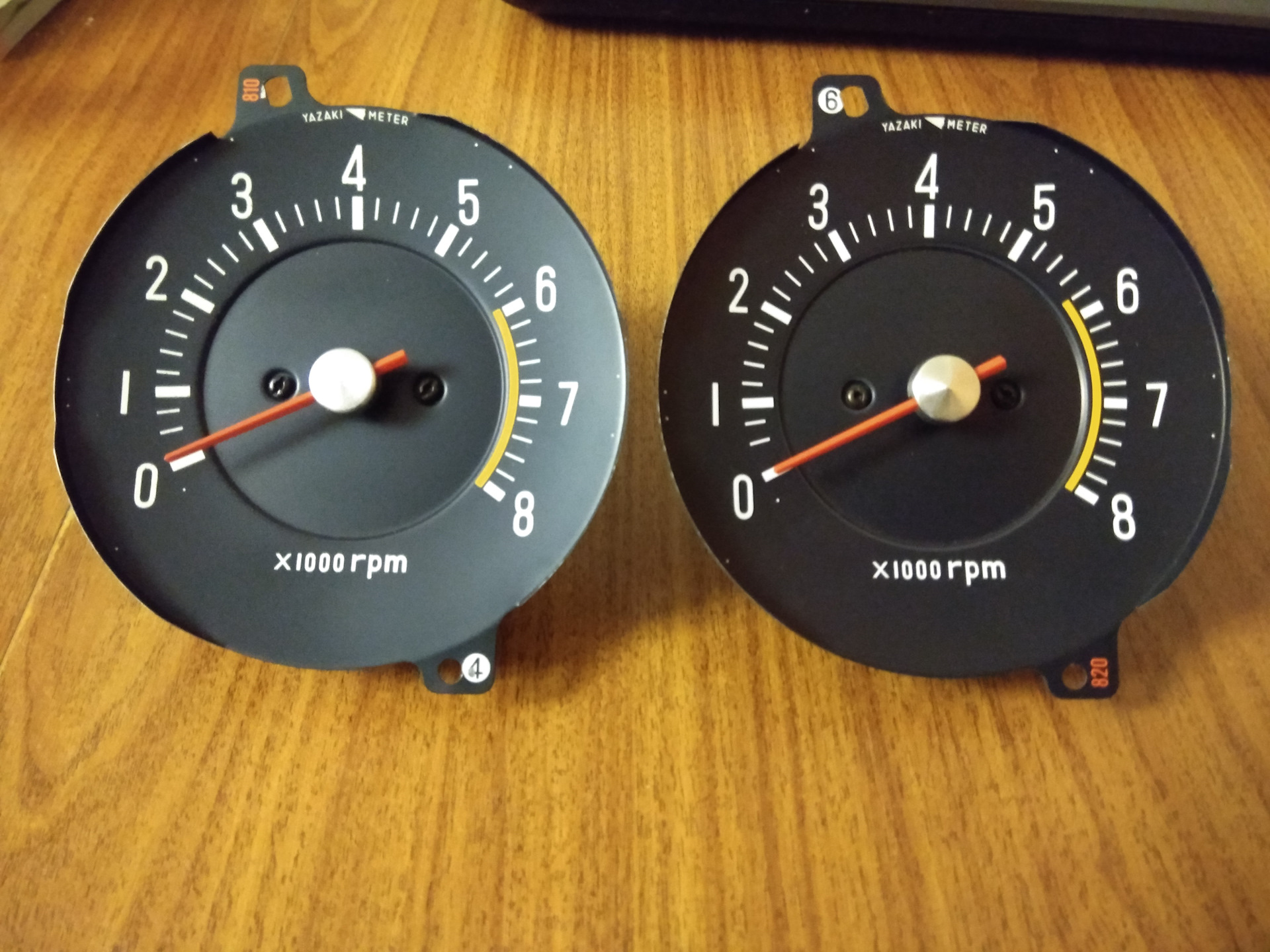
Слева 4-ри / справа 6-сть
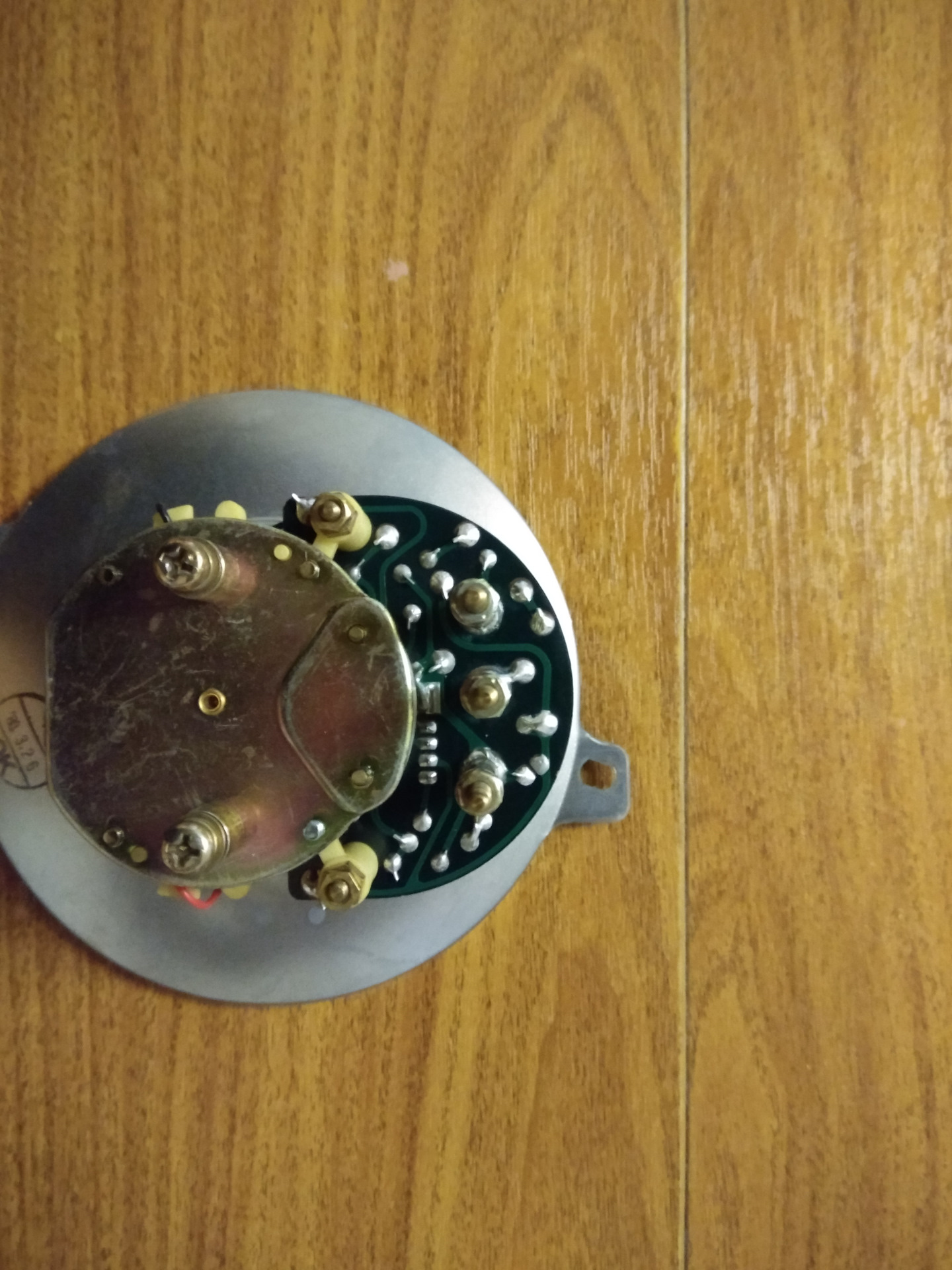
шестигоршковый
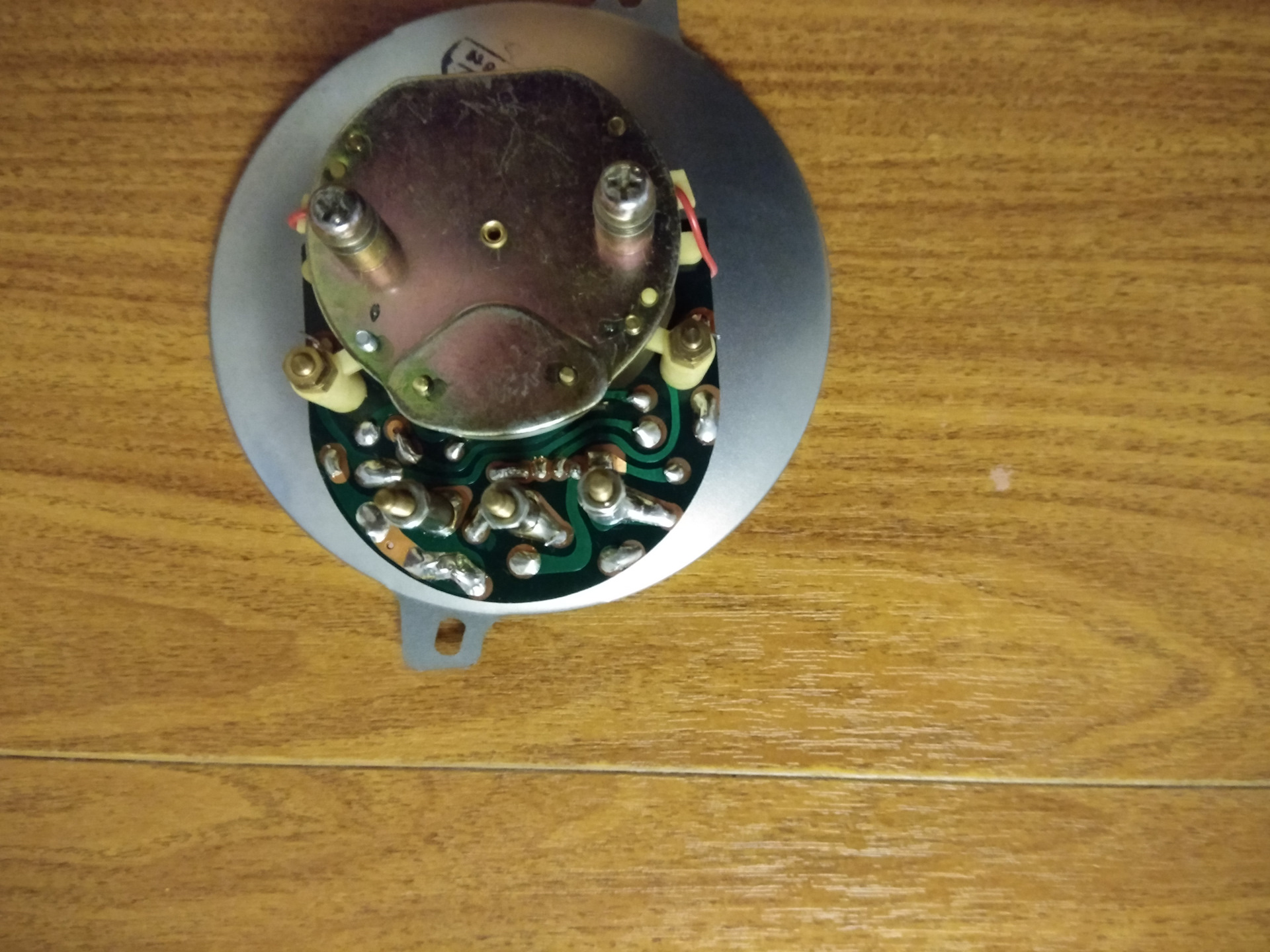
Четырехгоршковый
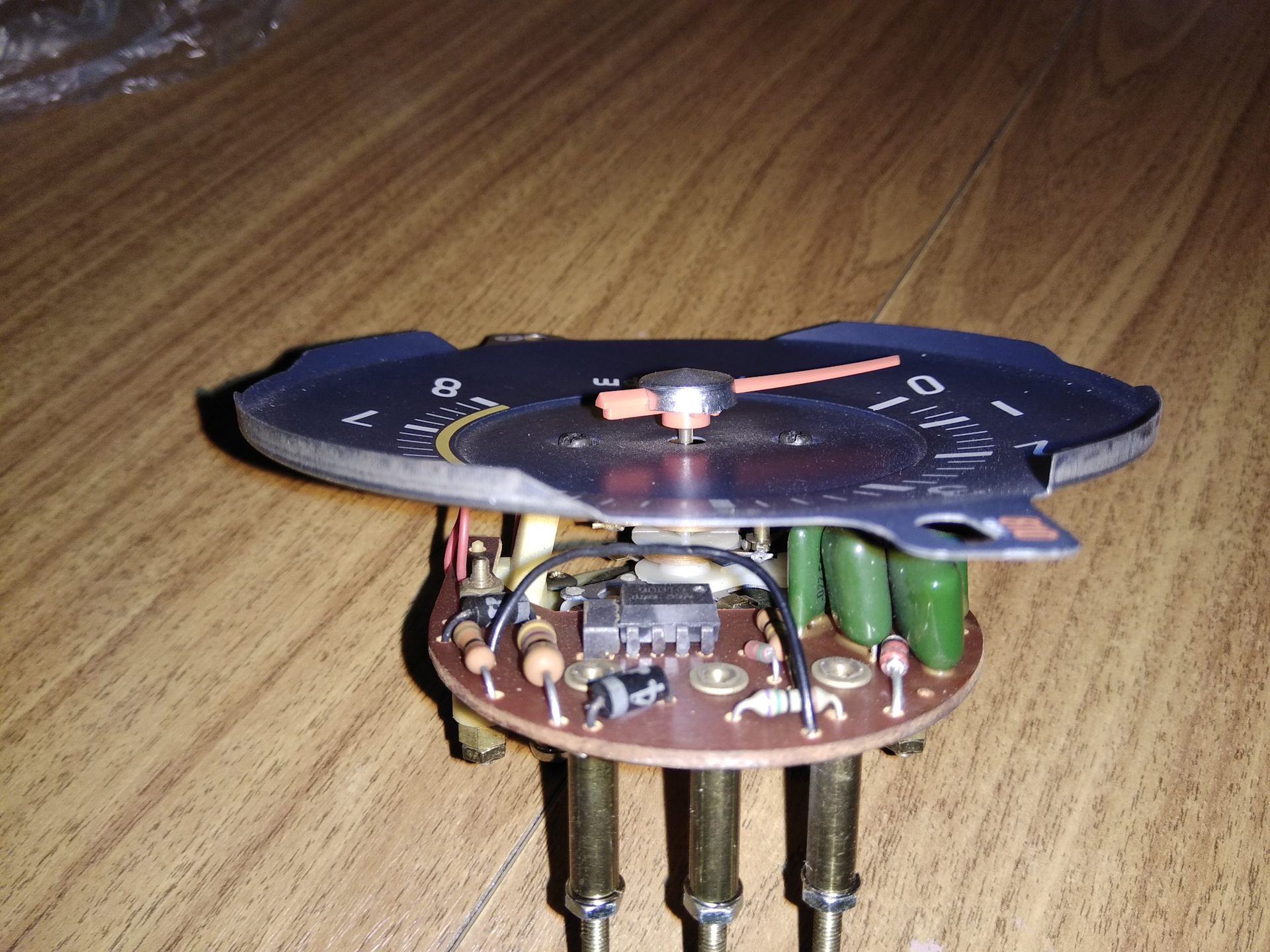
Четырех видно во всех элементах неудобная сборка
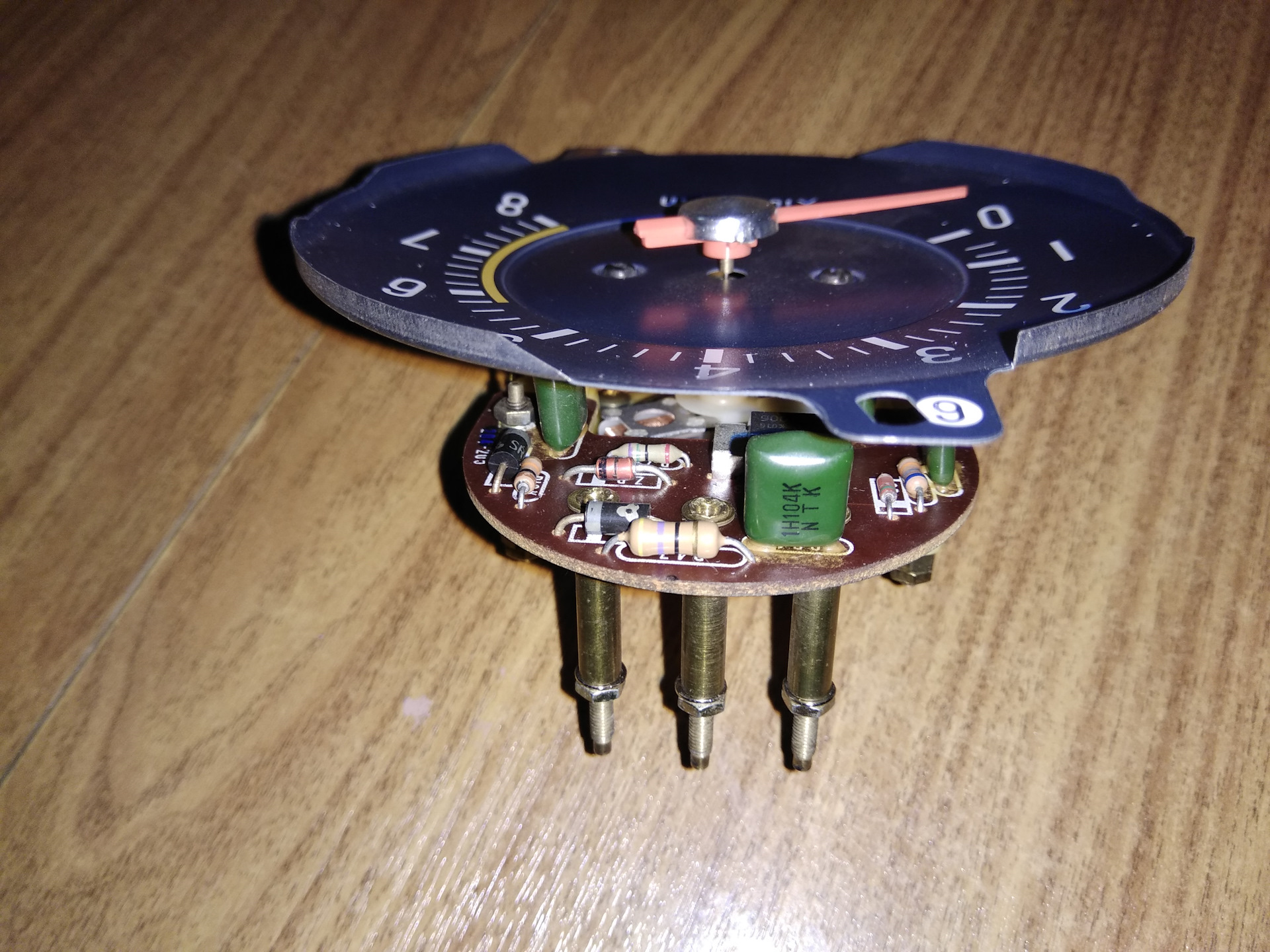
Версия с 6-ти котлового мотора сборка на высоте
Комментарии
Пока нет одобренных комментариев.