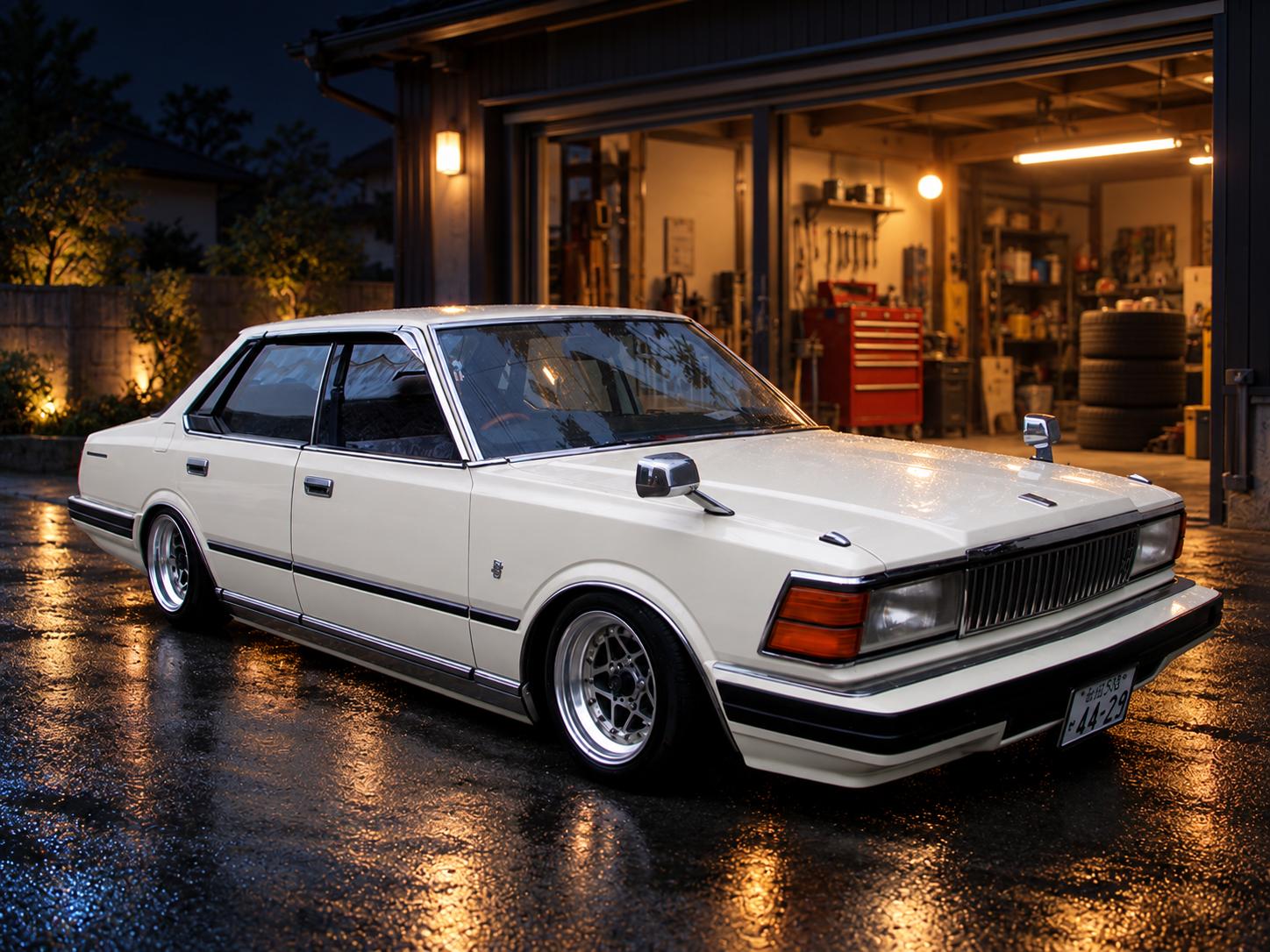
Давление топлива на L20E (и аналогичных) на холостых должно быть около 2,3-2,5 бара, при повышении оборотов возрастая где-то на 0,5 бара.
Конструкция клапана предельно простая, состоит он из подпружиненой мембраны, которая закрывает канал обратки. В верхней имеется патрубок который шлангой соединяется с впускным коллектором, что обеспечивает повышение давление топлива при повышении оборотов.
Ломаться в нем особо нечему, бывает всего 3 проблемы:
1) Заклинивание в закрытом положении. Давление топлива в рейке 4 атмосферы и больше, сливаться в обратку не позволяет заклинивший клапан. В результате все оно идет через форсунки в цилиндры. Дикое переобогащение смеси, черный дым, машина «не едет». Также быстро закончится бензонасос, который не может долго работать создавая такое давление.
2) Заклинивание в открытом положении. Клапан не закрывается, в результате чего топливо протекает через него в обратку при давлении, меньшем чем необходимое. Бедная смесь.
3) Разрыв или трещина в мембране. Топливо льет через вакуумную шлангу напрямую в коллектор. Очень сильное переобогащение, наверное даже не заведется.
Оригинальный регулятор найти тяжело и очень дорого.
БУ не желательно, мембрана пересыхает со временем.
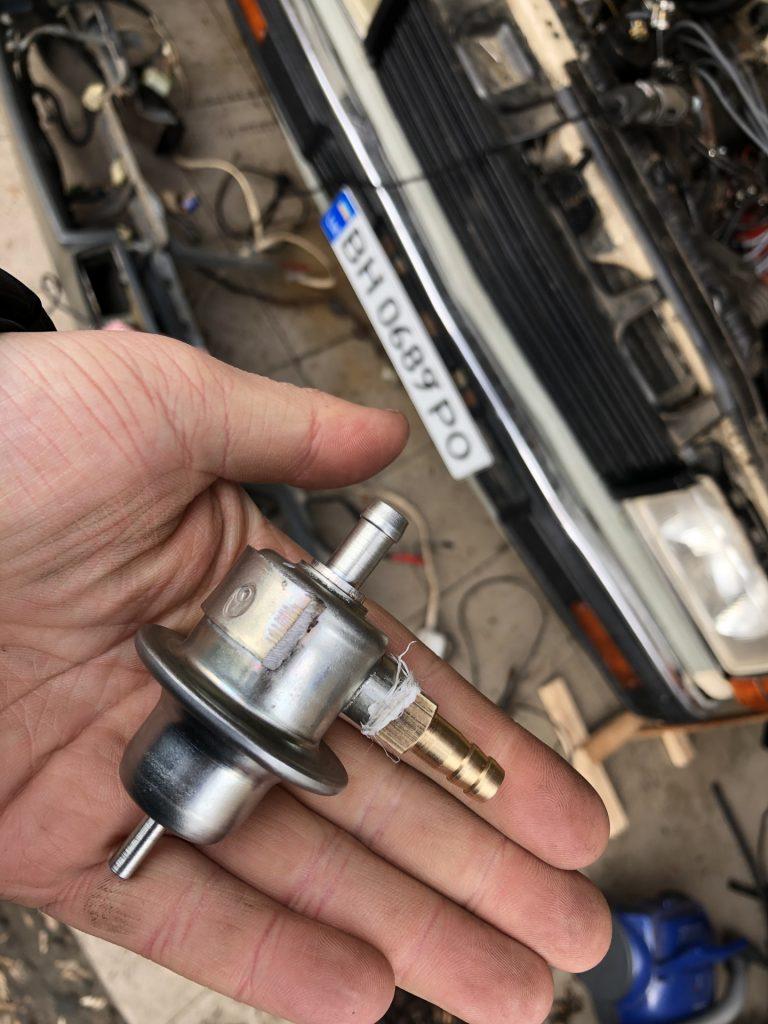
Лучший вариант (и самый бюджетный) использовать от «Волги». Давления совпадают. Только он устанавливается в рампу, а у Ниссана на шланге. Поэтому надо купить так называемый «ёршик» для шланга с резьбой 1/8″ под шланг внутренним диаметром 8 мм. Высверлить под него отверстие и вкрутить на тефлоновую ленту (толщина стенок позволяет)
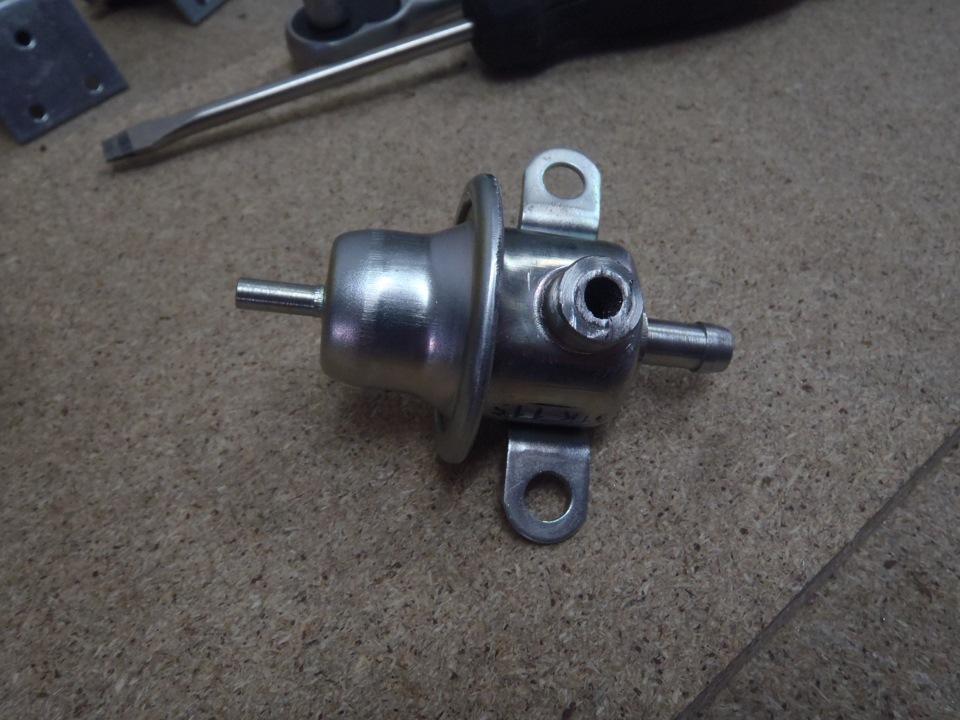
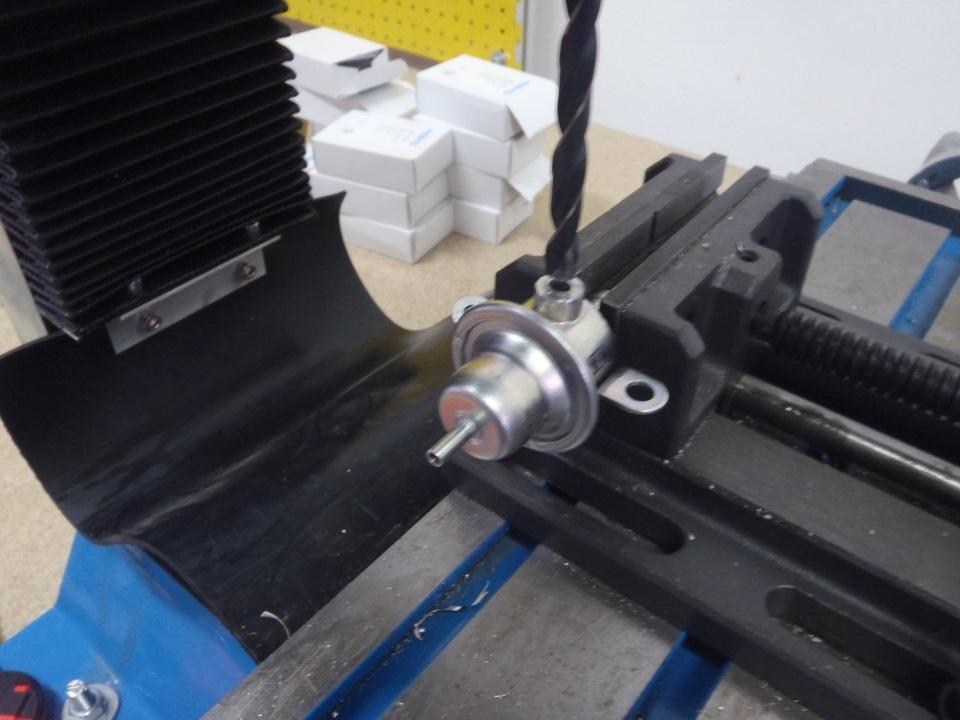
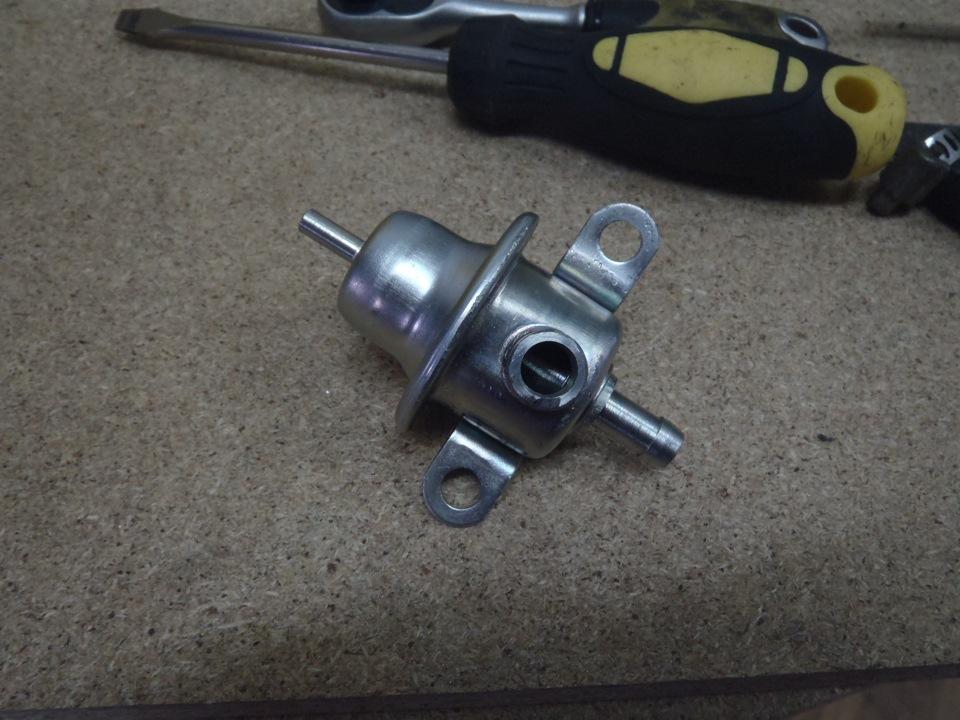
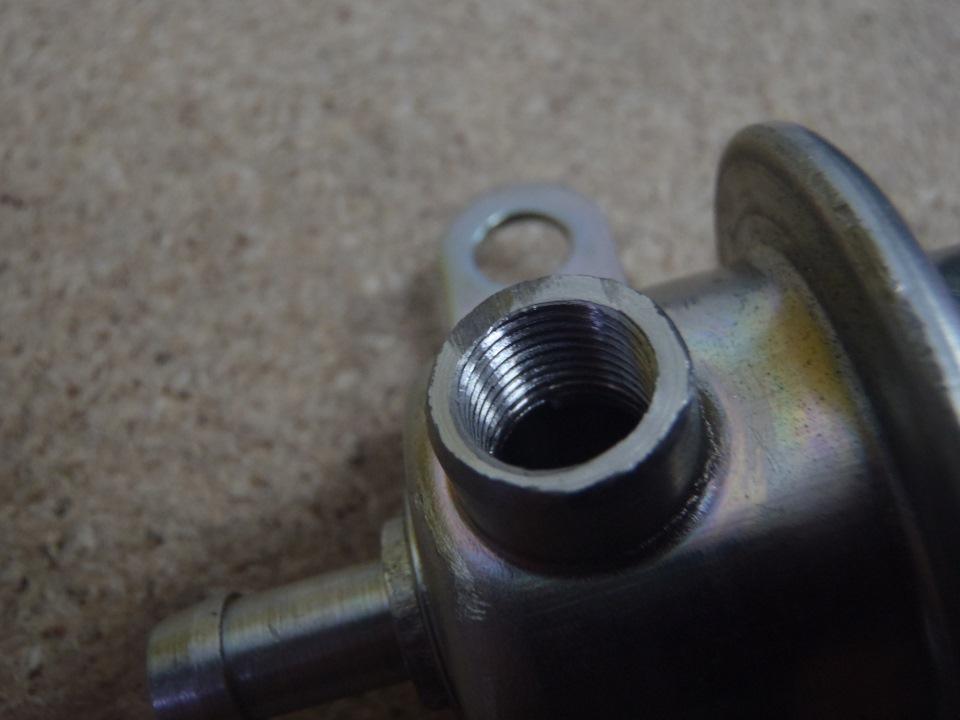
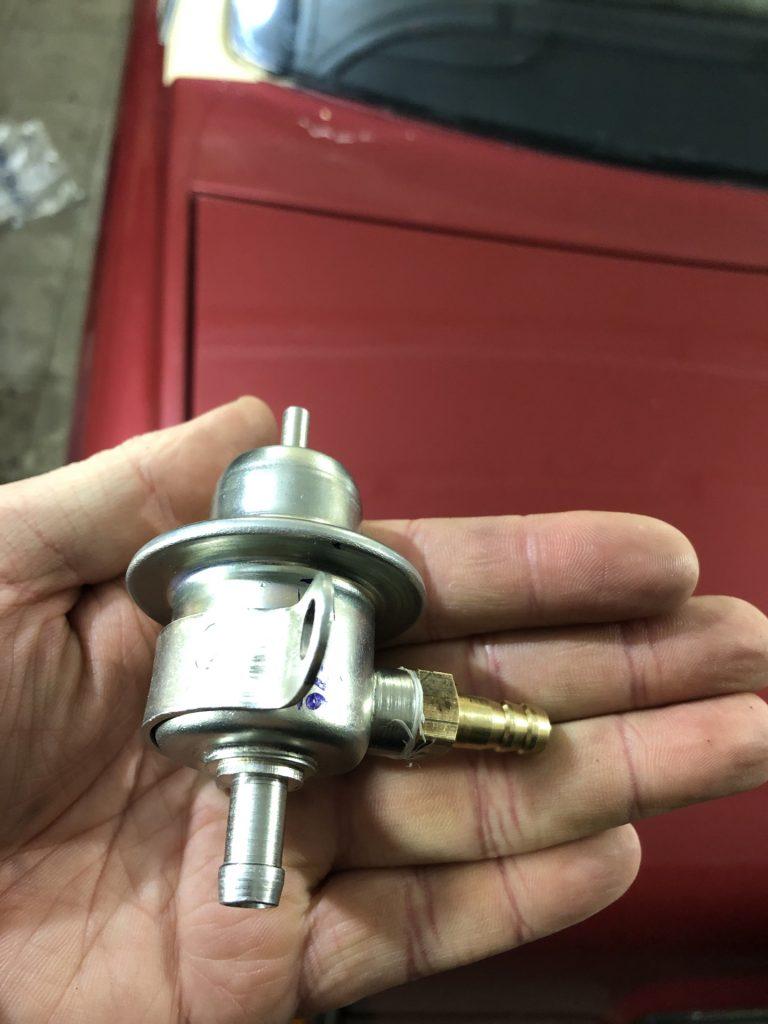
И срезать «уши» можно для красоты
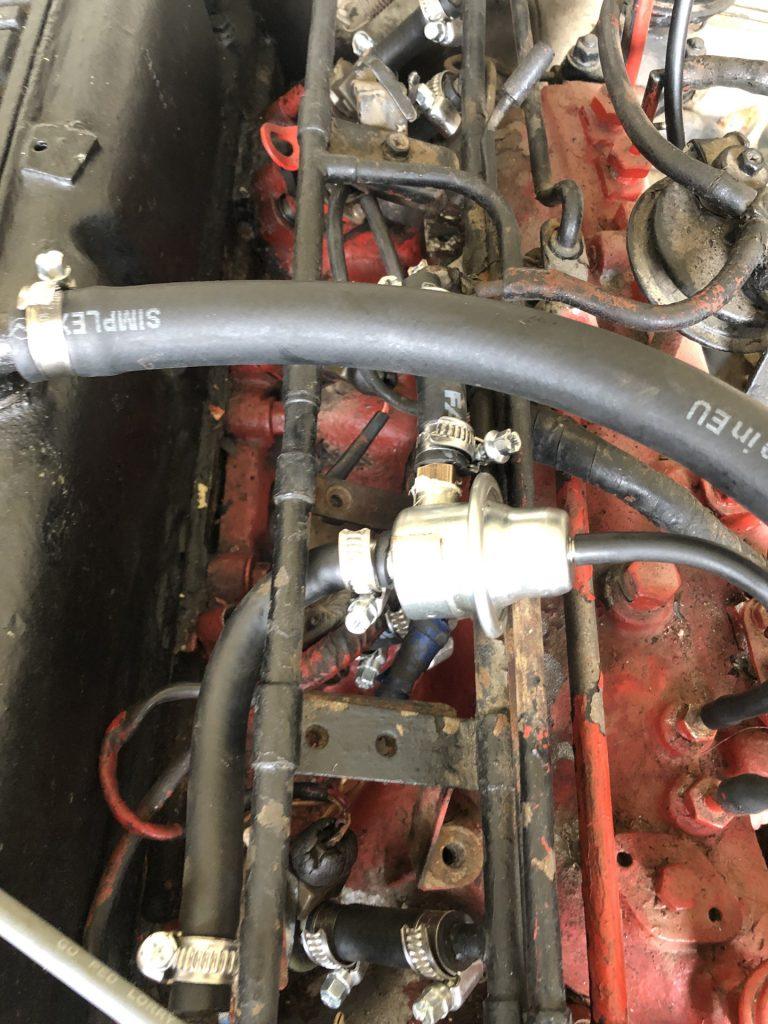
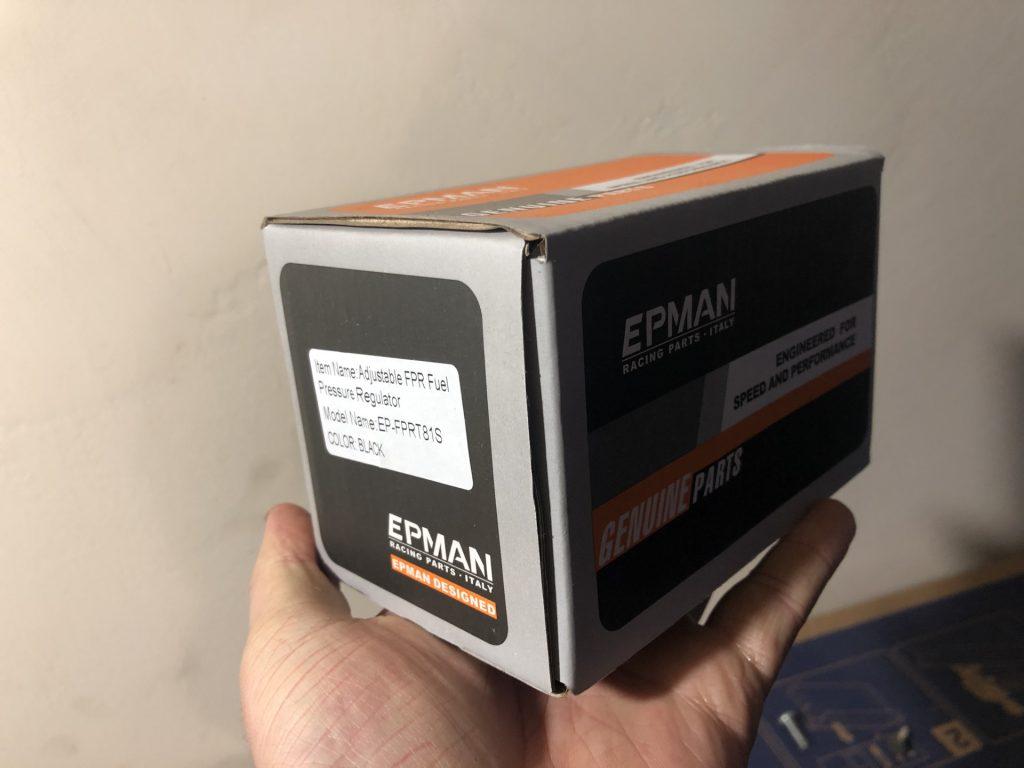
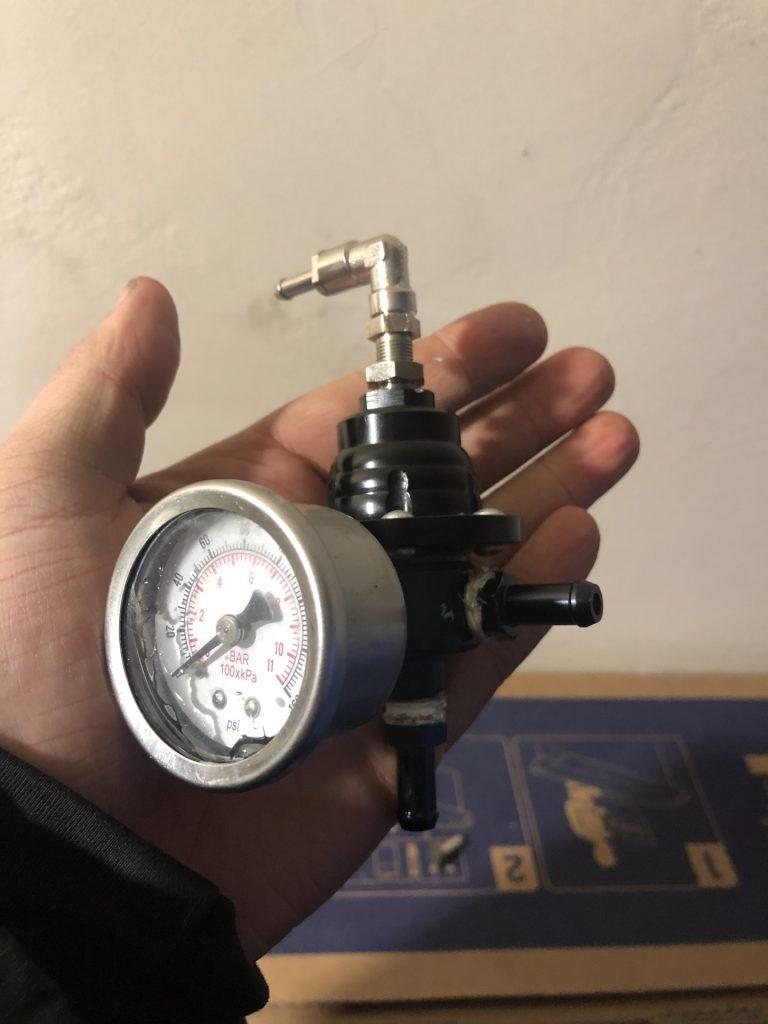
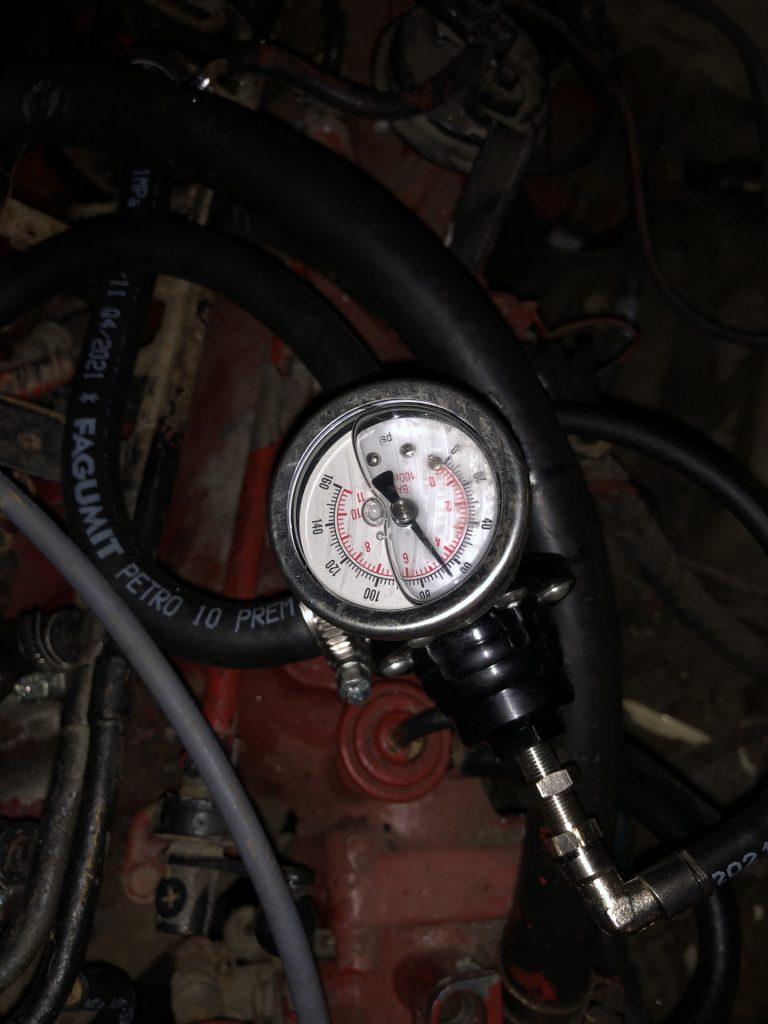
Один из вариантов использовать «тюнинг» решения. Но ни в коем случае не используйте дешевые китайские варианты вроде EPMAN. Это опасно, они не держат нужное давление, а сам манометр может вообще лопнуть. Ну а качественные стоят серьезных денег.
Комментарии
Пока нет одобренных комментариев.