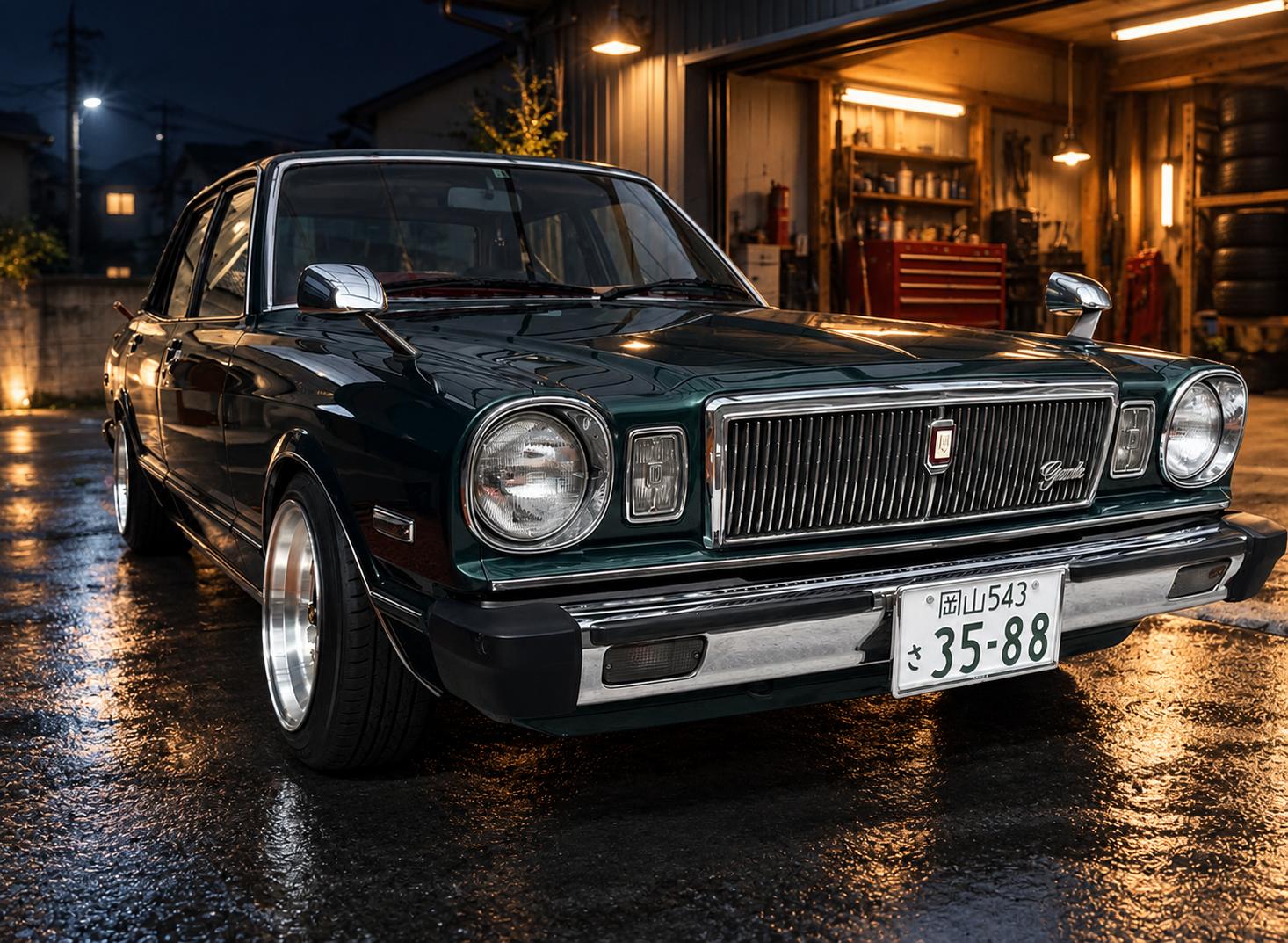
С самого начала в бортовой сети Марка было пониженное напряжение. Всегда на полтора вольта меньше, чем на АКБ. При работающем двигателе на прикуриватель, центральный замок и стеклоподъемники подавалось лишь 11,9 Вольт. А если машину не заводить, а просто включить зажигание то вовсе 10,5 Вольт.
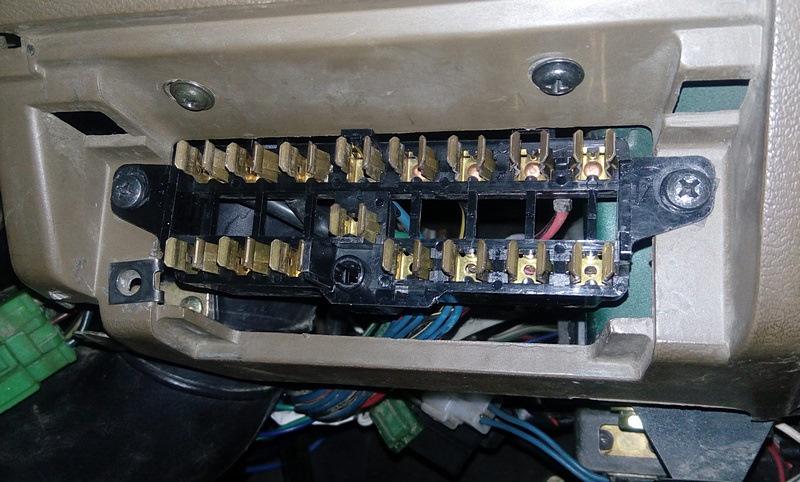
Думалось найти плохой контакт, где падает полтора вольта. Но при прозвонке оказалось, что таковых нет, а напряжение падает равномерно на длиннющем проводе, который идет сначала от АКБ до замка зажигания, а потом идет обратно под капот на катушку. В сумме около 5 метров провода!
Катушка потребляет много тока и создает падение напряжения в борт сети. На катушку зажигания доходит и вовсе менее 10 Вольт.
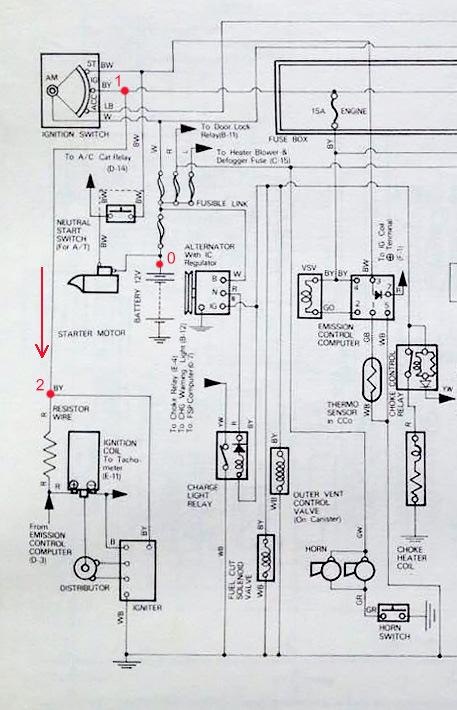
Плюс от АКБ (точка 0) идет на замок к точке 1, и уже потом на катушку (точка 2). Лишних проводов 5 метров! Падение напряжения до 2 Вольт!
Скорее всего такое решение с длинным проводом было применено производителем, для усложнения угона машины. Мне же теперь важнее исправная работа электрики. Поэтому я этот обратный провод от замка (на схеме показан красной стрелкой), в косе он BY (черный с желтой полосой) сделал управляющим, а рядом с катушкой зажигания и аккумулятором поставил дополнительное реле, которое подает плюс на катушку.
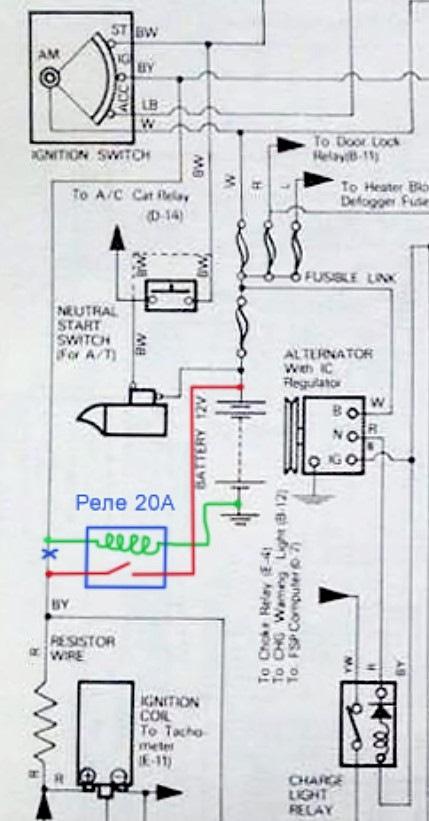
Релюху поставить под капот где-то между АКБ и катушкой зажигания. Тогда потери в проводах будут минимальными.
В результате этой переделки напряжение на катушке повысилось на 3 Вольта, что должно улучшить заводку и работу двигателя. Напряжение борт сети увеличилось на 1.5 Вольта. От этого увеличилась скорость работы стеклоподъемников. Работа ЦЗ стала четче.
От плюса IGN работают все токовые потребители — обогрев заднего стекла и другие, так что установка такой дополнительной релюхи сильно уменьшит нагрузку на провода, которые находятся в косе под торпедой и не просто сохранит электрику в порядке, но и уменьшит вероятность оплавления и воспламенения проводов на ретро машине.
Комментарии
Пока нет одобренных комментариев.