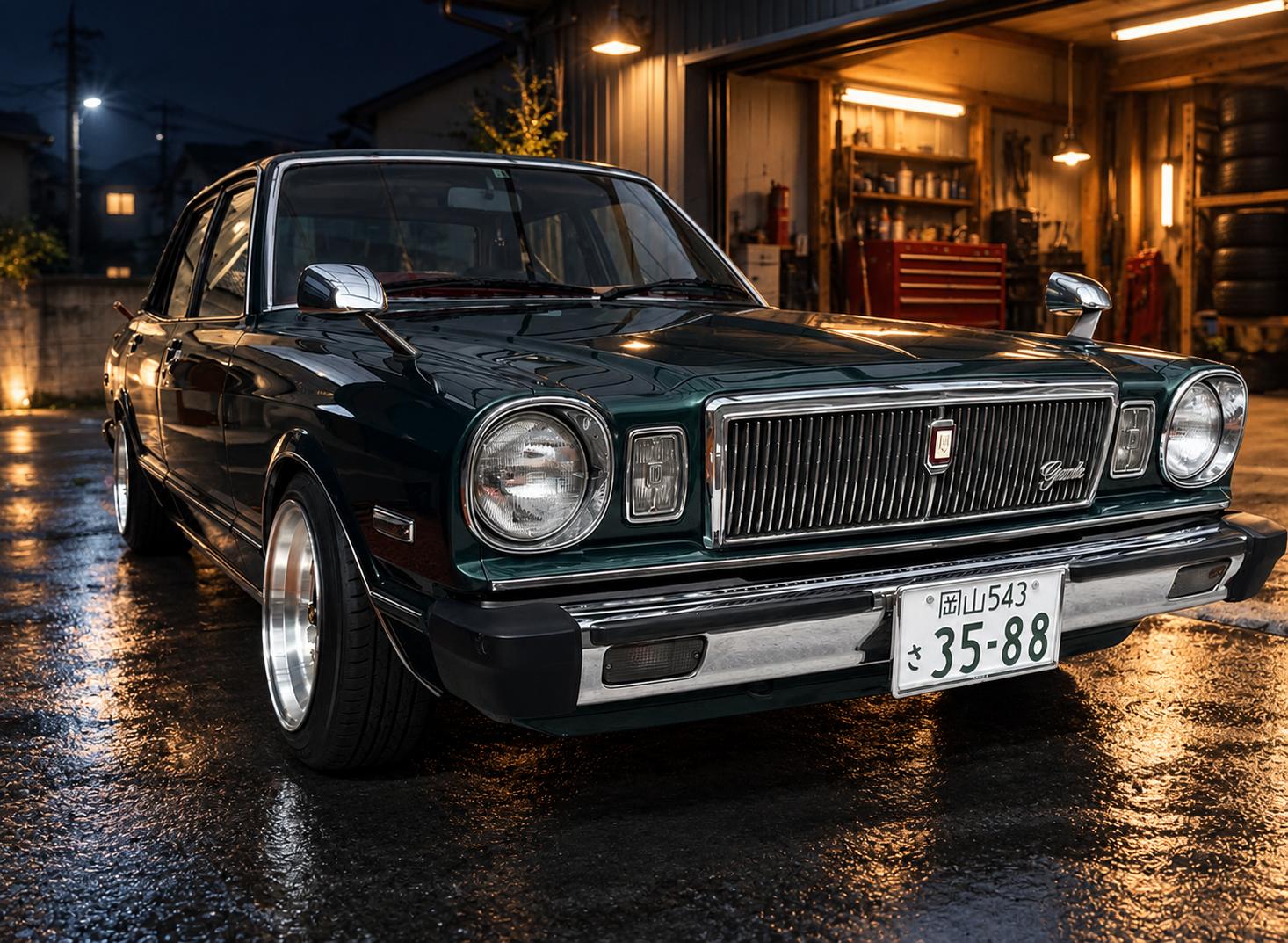
Все изложенное относится к Toyota Mark2 MX41 с двигателем M-EU
Автор — pim25
Если посмотреть видео нашего первого запуска
то можно заметить, что мы делаем старт «в две руки»: один участник поворачивает ключ, а второй отдельным выключателем замыкает контакты стартера. Это происходит потому, что мы сразу после сборки столкнулись с тем, что втягивающее реле стартера неисправно (по крайней мере, мы так подумали). Выражалось это в том, что при запуске в стартере при повороте ключа раздавался единичный «щёлк», приборы немного притухали, но вращения не было. Получить устойчивое вращение и запустить двигатель удавалось только прямой подачей плюса на силовой контакт стартера и одновременным поворотом ключа. Похожая неисправность с просьбой помочь недавно была описана тут.
Ну что ж, для первого запуска выход, как видно, был найден, а далее нужно было эту неисправность устранить.
Для начала мы решили перебрать втягивающее. Конструкция у него неразборная, но мы (где наша не пропадала!) – его развальцевали и увидели, что контакты здорово окислены. «Ага!» — издержки низкого расположения механизма, последствия проезда по лужам и т.п. — подумали мы и, хорошо зачистив контакты, собрали его обратно, попутно посадив корпус на герметик. По итогу всё выглядело красиво, однако мы вспомнили о том, что совершенно не обратили внимание на то, как стояли контакты относительно друг друга. Но проверка стартера с установленным втягивающим прямо на аккумуляторе показала, что всё работает!
Ок, устанавливаем стартер на место и проверяем. Неисправность устранена! Стало быть, и контакты в реле установлены верно, и герметик наш на них не попал.
Однако всё было хорошо только в течение следующих двух-трёх запусков, а потом «баг» опять стал повторяться (замечу, что при всех дальнейших ремонтах стартера эта ситуация в общих чертах неизменно повторялась – сначала всё было хорошо, потом по-старому).
Что ж, видно, слово «неразборный» означает именно то, что означает, и я решил, что наилучшим выходом будет просто заказать новое втягивающее реле. Однако не удосужился переписать номер с установленного у меня стартера, а полез в каталоги.
По каталогу у меня стартер 28100-41030, к нему я и заказал новое втягивающее.
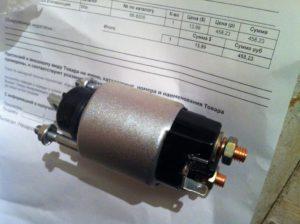
Дождавшись реле от фирмы WAi под номером 66-8205, мы установили его и “Ура!” – всё запускается как нельзя лучше! Ок, подумали мы и занялись доделкой машины.
Однако прошло немного времени (около полугода), и у стартера вновь стали возникать “осечки”.
Логику неисправности мы уловить не могли – иногда запуск происходил бодро и сразу, а иногда только с пятой-седьмой попытки. Грешить на аккумулятор нам не приходило в голову, так как стартер при удачной попытке крутился очень бодро! А насколько я знал из опыта, слабый аккум обычно вызывает “стрекотание” втягивающего, а этого у нас ни разу не было. Кроме того, осечки случались и сразу после зарядки аккумулятора, что исключало вариант с дохлой батареей.
Надо сказать, что неисправность эта, хоть и давала всё-таки завести автомобиль в конце концов (пусть с 5-10 попытки, но давала), — была очень неприятной и… “позорной”, что ли. Вот вы подходите к сияющему авто, открываете дверь с ключа, садитесь, самое время продемонстрировать окружающим звук аутентичного двигателя и… мы демонстрируем вместо запуска то ли дохлый аккум, то ли другую неисправность…
А ещё напряжённее ситуация, когда, к примеру, в автосервисе надо покинуть пост регулировки схождения, уступив место следующей машине, а вместо этого опять только “цык”, и ещё раз “цик”, и снова “цик”… Вот как раз в такой ситуации, случившейся однажды, добрый мастер снова поднял машину на подъёмнике и стал смотреть, что же происходит, снизу.
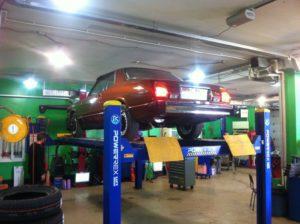
Смотрел, шевелил контакты, и вдруг сказал: “Заводи!” И я завёл машину с первого раза! “У вас плохой контакт стартера с “плюсом”, я подтянул гайку” – только и сказал он, а я, обрадованный, поехал в гараж.
Прошло несколько месяцев, миновало уже ставшее привычным время нормальной работы стартера, и осечки снова появились. Конечно, за это время я зачистил до блеска все плюсовые контакты, заменил все гайки и шайбы на них на новенькие – в общем, эту причину можно было уже не принимать во внимание. Попутно обнаружился чрезвычайно плохой контакт в месте соединения с плюсовой клеммой на аккумуляторе – отремонтировали, переобжали наконечник, порадовались устранению возможной причины, но… спорадический “цик” всё же вернулся.
Что же на этот раз?!! Мы задумались…
Ну ладно, подумали мы – видать, качество реле фирмы Wai всё-таки ближе к китайскому, и пришло время поставить нормальное втягивающее подороже.
Опять иду в каталог и заказываю уже реле ZM-660 из Бразилии, где, как я выяснил, стоит заводик, изготавливающий их для продажи по всему миру (заказал через Exist). Заказал по каталогу, но немного насторожил тот факт, что реле было изображено не со шпильками для крепления, а с отверстиями под болты. Ничего, вкрутим болты — может, так и нужно…
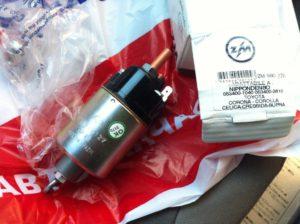
Подождали, получили, устано… — вот как раз с «установили» получился прокол. Реле не подошло по расстоянию между шпильками (болтами?), и установка его была невозможна. Очень интересно, подумали мы, и тут нам в голову пришло посмотреть-таки номер на моём стартере: 28100-41050! Заглянув в каталог, я выяснил, что да, это одна из разновидностей стартера на двиг типа М, которая чаще ставилась на Crown. Почему стартер именно с этим номером стоит у меня – неизвестно, его мог поставить предыдущий хозяин, а мог он стоять и с завода. И втягивающее на нём стоит с расстоянием между шпильками ~43 мм, а не ~34 мм (как на 28100-41030)!
Ок, в азарте уже не смотрим на расходы, снова «потрошим карман» и, повнимательнее на этот раз рассмотрев размеры на схемах производителя, покупаем следующее втягивающее (со шпильками и должным расстоянием между ними) ZM 706.
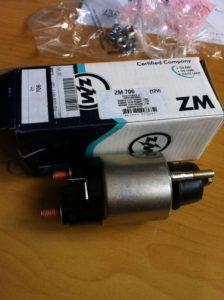
Подождали, получили, установили! Неисправность ушла… но, как вы, наверное, догадались, ненадолго 🙂
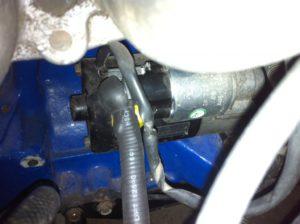
К тому времени меня всё это уже стало забавлять… но я всё-таки настроился на серьёзность и исследовал интернет в поисках причин подобного поведения этого самого мощного потребителя электричества в автомобиле.
Запуск с таким дефектом, как у меня, была у части автовладельцев, и в основном на немолодых уже машинах. Выходили из положения несколькими способами – кто-то заменял втягивающее, кто-то маховик со сношенными зубцами, кто-то ставил дополнительное реле, кто-то менял стартер на более мощный или с редуктором… ясности, однако, в голове не прибавилось.
Маховик у меня был как новенький, шестерня бендикса тоже почти без износа, подшипники скольжения не имели «яйцеобразности», щётки были хорошей длины и в порядке, стартер был обслужен и смазан…
Наткнулись на совет разобрать и почистить контакты замка зажигания. Что ж, давно хотел это сделать, так как у меня когда-то, ещё на «Ниве» была такая «болячка» контактной группы замка зажигания – там питание втягивающего идёт без реле, напрямую, и по этой причине контакты при запуске нагревались (особенно зимой, при неоднократных попытках запустить машину от «сдохшего» аккума), пластик рядом с контактами оплавлялся, и контактную группу приходилось менять. Хотя от «Тойоты» я такого не ожидал, всё-таки разобрал замок и посмотрел на состояние контактов. Ничего особо «криминального» я там не увидел, однако после чистки и сборки – догадайтесь сами! – машина стала заводиться сразу! Во всяком случае, некоторое время так оно и было…:)
Прошло время, я уже смирился с этой проблемой – по причине того, что завестись удавалось, в принципе, всегда – правда, через неизбежные осечки, но удавалось. Но тут мне в руки попал двигатель М целиком, вместе со стартером. Я, конечно, воспользовался случаем, и решил для решения проблемы запуска заменить стартер целиком – тем более, что на нём был именно тот номер, что значится у меня по каталогу. Заменил (к этому времени я уже научился делать это в одиночку с доступом сверху), вздохнул облегчённо – а потом вновь вздохнул, но уже обреченно 🙂 «Глюк» скоро вернулся.
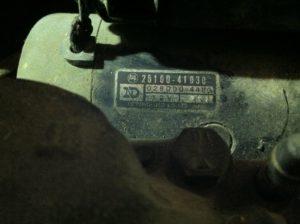
Ну, по крайней мере, можно было исключить все неисправности, которые могли быть связаны со стартером – втягивающее, бендикс, шестерни, щётки, сам электромотор…
Настала пора присмотреться к аккумулятору. Он был не нов, и он был уже вторым б/у аккумом на этой машине. Может, всё дело в нём? Может, система запуска очень «придирчива» и ей не хватает напряжения севшей батарейки?
Ок, дожидаемся нового притока средств, покупаем и заказываем доставку нового, одного из лучших аккумуляторов японской фирмы FB. Вот он, момент истины! Меняем аккум прямо при продавце, поворачиваем ключ и!… И ничего. Запуска не происходит. Вернее, он происходит, но на привычной уже 5-7 попытке. Стало ясно, что дело не в батарее – более того, можно было после этой своеобразной «проверки» даже отказаться от покупки – но я оставил её хотя бы для того, чтобы «намертво» исключить влияние аккума на проблему запуска.
Приехав как-то в конце дня в гараж, я открыл капот и стал тупо смотреть на стартер и его окружение и… нет, не медитировать, но размышлять (вернее, это было какое-то промежуточное состояние 🙂 Могло быть так, совершая каждый раз какую-либо замену, мы, скорее всего, шевелим какой-то контакт, и этого хватает на какое-то время, а потом контакт опять нарушается и возникают осечки. Но все возможные контакты были зачищены!
Тогда я стал размышлять, как питание попадает на стартер. «Плюс» мы подаём через втягивающее, там вроде всё ок – оно срабатывает. «Минус» идёт через корпус – стартер ведь прикручен к двигателю… и тут я заметил, что стартер прикручен не к двигателю, а к автомату. Причём прикручен не напрямую, а через стальную пластину, зажатую между двигом и автоматом. Но стальной (вернее, ржавой) она была до реставрации, а наши умелые ручки превратили её в полностью окрашенную с двух сторон! Ога, — значит, «минус» может испытывать большое сопротивление, идя к стартеру лишь через пару болтов крепления! Кроме того, «масса» с кузова на автомат (справа снизу по ходу машины) тоже была не особо толстой, а ведь у нас такой большой ток запуска! Решено – делаем надёжные соединения «минус-кузов», «кузов-автомат», а до кучи ещё и кидаем толстый провод с блока двигателя прямо на корпус стартера!
С довольным видом смотрим на проделанную работу, ездим и наслаждаемся запуском без «осечек»… но, увы, недолго 🙂
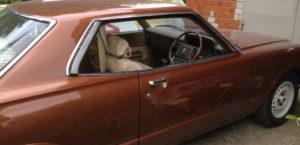
И опять приезжаем к родимому гаражу для ремонта.
Незаметно досадная неисправность стала приводить к тому, что я стал чаще отказываться от поездок на машине, не осознавая причины. Где-то в глубине я осознавал, что виной тому могут быть опасения не завестись, в очередной раз представ в невыгодном свете.
Должен сказать, что при поиске причины неисправности я, конечно, пользовался вольтметром и измерял величину напряжения на всех контактах, окружающих стартер. Но в сам момент запуска напряжение довольно сильно «проседало» — норма ли это, я не знал. Всё-таки пусковые токи чрезвычайно велики.
Конечно, я всё-таки ездил, но меньше.
И вот в один прекрасный день, загрузив в машину семью и собираясь ехать за город, я заехал к товарищу и заглушил машину – просто чтобы во время ожидания не работать на ХХ пять-десять минут.
А вот завести её вновь оказалось не так-то легко. На этот раз пришлось делать пару перерывов между попытками запуска, и завести её удалось только минут через пятнадцать, с 2-3 десятков поворота ключа. Бодрый звук стартера – и мы снова на ходу! Внешне я не сильно был обеспокоен, но внутри меня всё «закипело», и я твёрдо решил разобраться с этой проблемой.
Началось всё, по обыкновению, с медитации над мотором 🙂
На этот раз ничего я там не увидел.
Однако в голове всё-таки прояснилось и я вспомнил, что читал где-то описание моей проблемы, и что основным признаком была (не смейтесь) именно бессистемность и нелогичность возникновения неисправности.
Ещё я вспомнил, как читал: как это ни удивительно, именно на машинах 75-82 годов (не только японских) производители почему-то не устанавливали реле в цепь запуска, а запитывали втягивающее напрямую от замка зажигания. Да, замок я проверил и контакты зачистил, там теперь всё ок – но, помилуйте, от аккумулятора (через замок зажигания) до втягивающего реле идёт не менее четырёх метров провода! Втягивающее реле – самое мощное реле в автомобиле, а провод там обычный, не самого большого сечения. Через 30-40 лет эксплуатации этот провод вполне мог перестать выполнять свои функции в полной мере, и теперь мы не имеем надёжного запуска! То есть напряжения, подаваемого на втягивающее реле, теперь не хватает для того, чтобы сердечник реле дошёл до конца и замкнул мощные контакты питания стартера. Может не хватать буквально миллиметра до соединения с «пятаком», но контакта при этом не случается, и стартер не крутится! А вот если поставить дополнительное реле, то это разгрузит цепь замка зажигания, и требования по подводимому с ключа напряжению снизятся, так как не такому мощному реле достаточно и напряжения 7-10 В, чтобы уверенно срабатывать. А сам плюс можно взять не в четырёх метрах, а буквально в нескольких сантиметрах — от мощной силовой клеммы втягивающего.
Поэтому следующим моим шагом было отправиться на рынок и купить себе б/у реле с Японии. Мне повезло – оно продавалось сразу в защитном резиновом чехле и с кронштейном для установки – что вполне допускало установку его в моторном отсеке, без боязни залить водой или другой жидкостью при мойке или обслуживании двигателя.
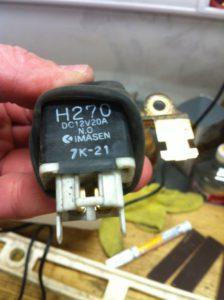
А такая установка (прямо над стартером) требовалась для того, чтобы не тянуть никакие дополнительные провода. В самом деле, реле ставится эдаким «пауком» и дотягивается короткими проводами до всех контактов: 1) управляющие: «плюс» с замка зажигания, и «масса» с двига; 3) коммутируемые: плюс с втягивающего (то, что с аккума), и клемма «плюс» управления втягивающим.
Установил реле, и… а что «и» — я пока не знаю, уважаемые читатели 🙂
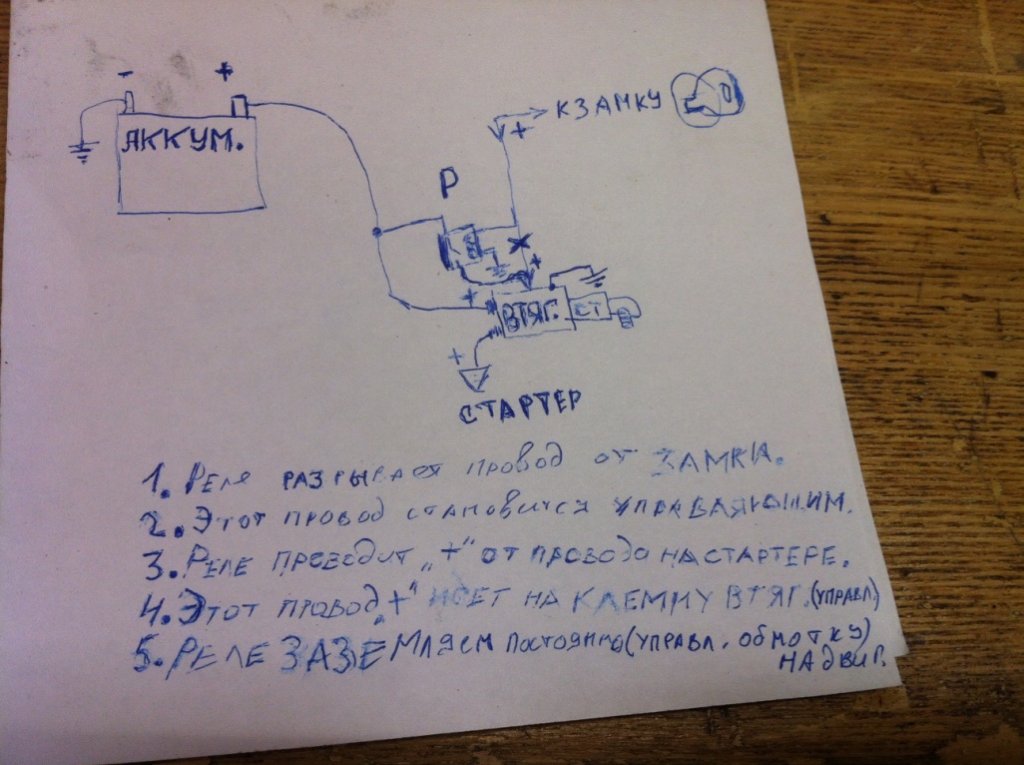
Да, я могу сказать, что проездил уже около месяца, и сделал пару-тройку десятков запусков двигателя – и ни разу не было осечки! Стартер крутит как новенький в любых условиях и при любой температуре.
Но вернётся ли «любимый» глюк снова, или мы с ним распрощались – я пока не могу сказать.
P.S. Конечно, никакой «Америки» я не открыл – во-первых, надо было получше вспомнить опыт с «Нивой», во-вторых, исследовать эту тему поиском поглубже: https://www.drive2.ru/c/595839/
Но дело в том, что в процессе ремонта авто мною обычно движут два основных момента: 1) Если что-то ещё можно купить и заменить – лучше поменять и 2) Не люблю «колхозить», добавляя что-либо в штатную проводку – ведь с завода работало!
Поэтому я и в этой задаче шёл сначала по пути замен «всего и вся».
P.S.P.S. Полагаю, кстати, что если бы я пошёл до конца и заменил провод втягивающего в косе – то и неисправность бы устранил, и принципы бы не нарушил 🙂

Комментарии
Пока нет одобренных комментариев.