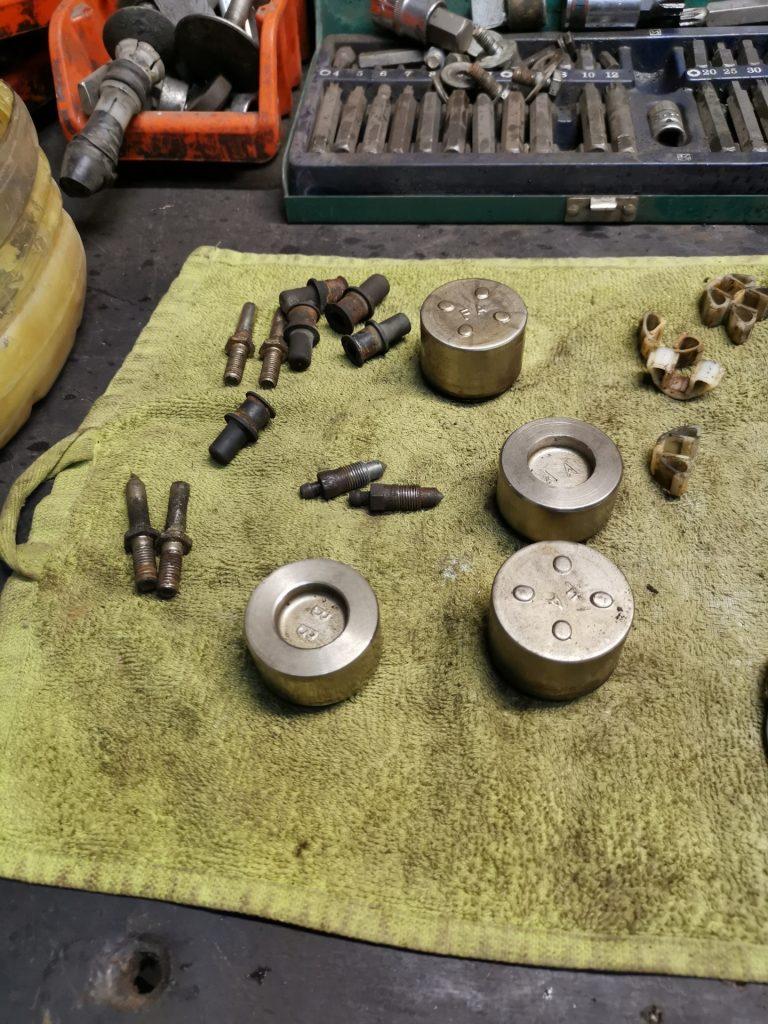
1. Партнамбер использованного ремкомплекта для суппортов AUTOFREN SEINSA — D4835
2. Партнамбер тормозных колодок KASHIYAMA — D1011
Старые ржавые суппорта практически не работали: скобы не ходили, поршни залегли.
Надо восстанавливать.
ИНФО: В наших суппортах применяется так называемая «плавающая» скоба с системой из двух противопоставленных поршней.
Для начала была куплена пара контрактных суппортов на запчасти. В итоге собирали два нормально работающих суппорта из четырёх работающих частично. Как оказалось, не зря — на купленных суппортах, не смотря на работающие органы, три поршня из четырёх оказались закорродировавшими. Зато направляющие на них оказались целыми в отличие от тех, что стояли на моей машине.
ИНФО: Меняйте тормозуху раз в год и поддерживайте направляшки смазанными, друзья! И таких болячек не будет!
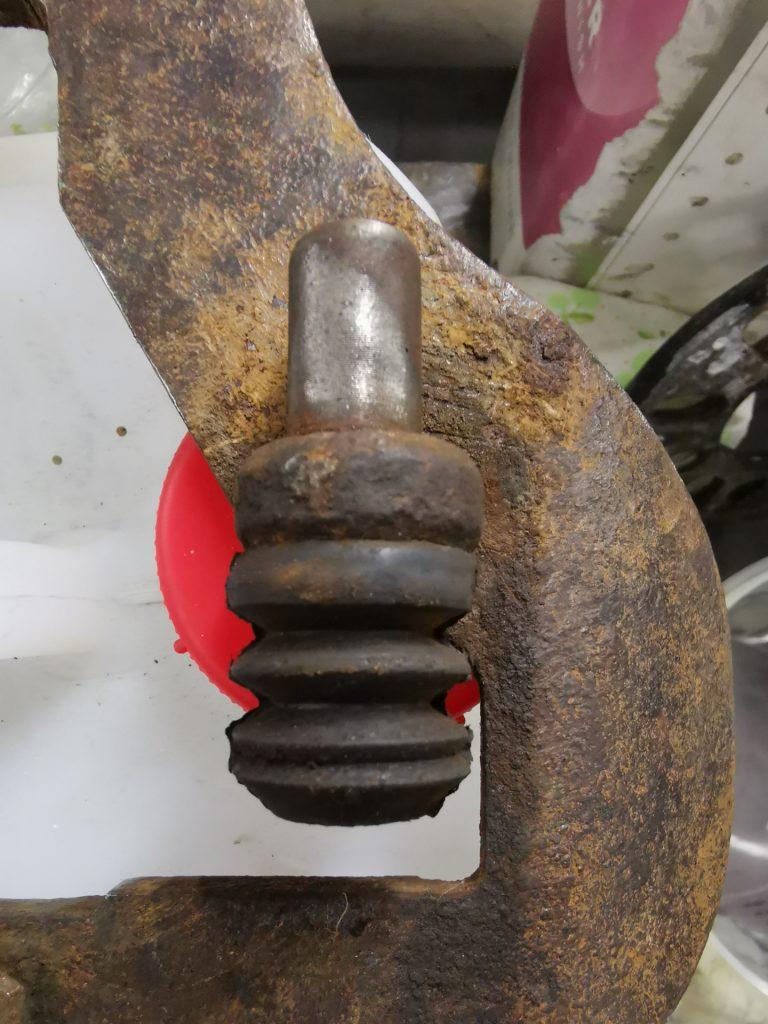
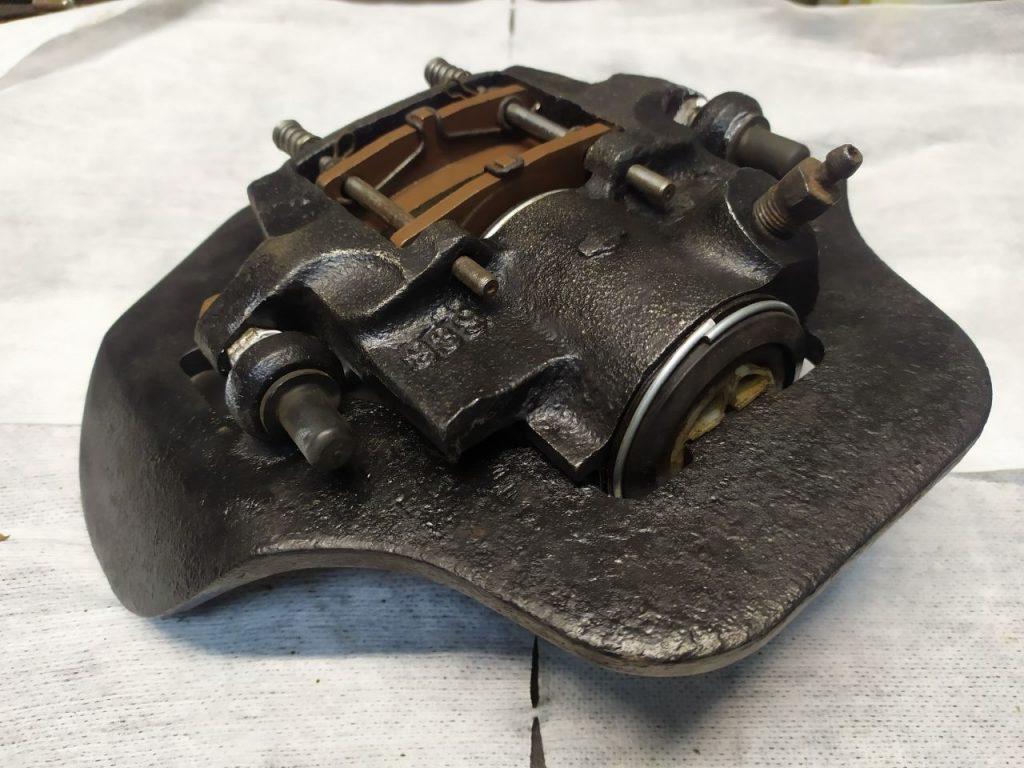
На втором купленном суппорте вместо резиновых втулок под направляющие была вот такая конструкция — металлическая втулка и пыльник гармошкой. на мой сугубо профанский взгляд эта конструкция даже лучше заводской по ряду следующих причин:
а) при должном обслуживании втулки живут вечно и не требуют замены в отличие от резиновых.
б) стандартный пыльник которых просто найти даже в таз-маге.
в) такой пыльник имеет запас хода, фиксируется на направляющей и позволяет сохранить смазку на всей длине направляющей, в отличие от заводсткой «голой» конструкции.
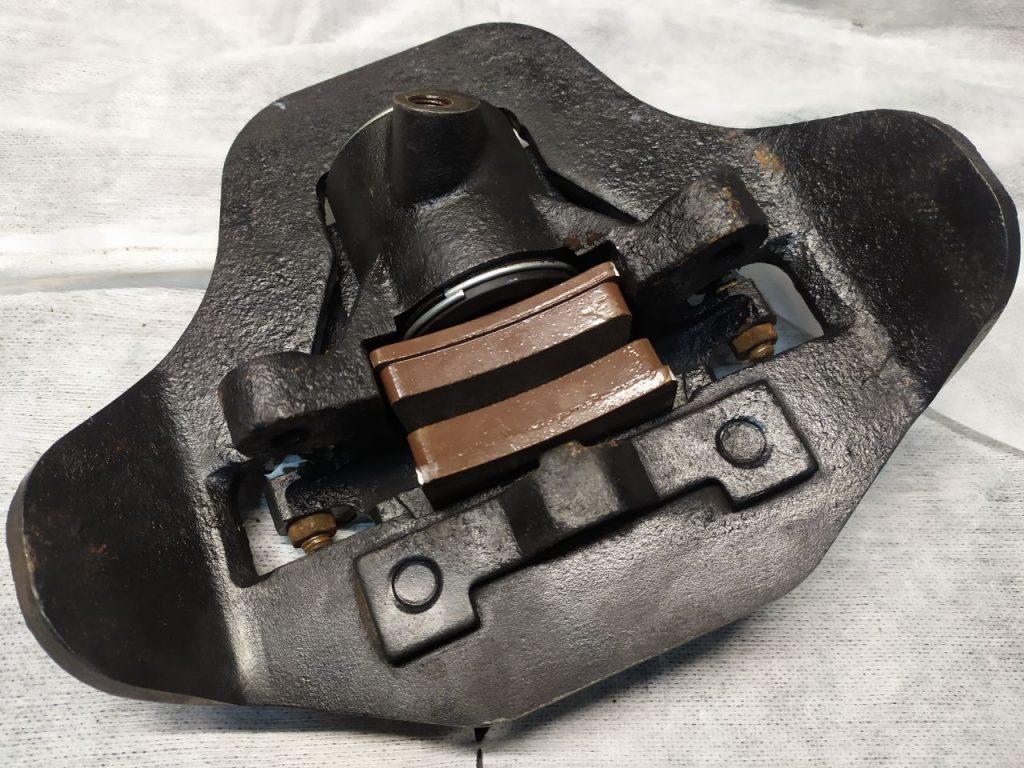
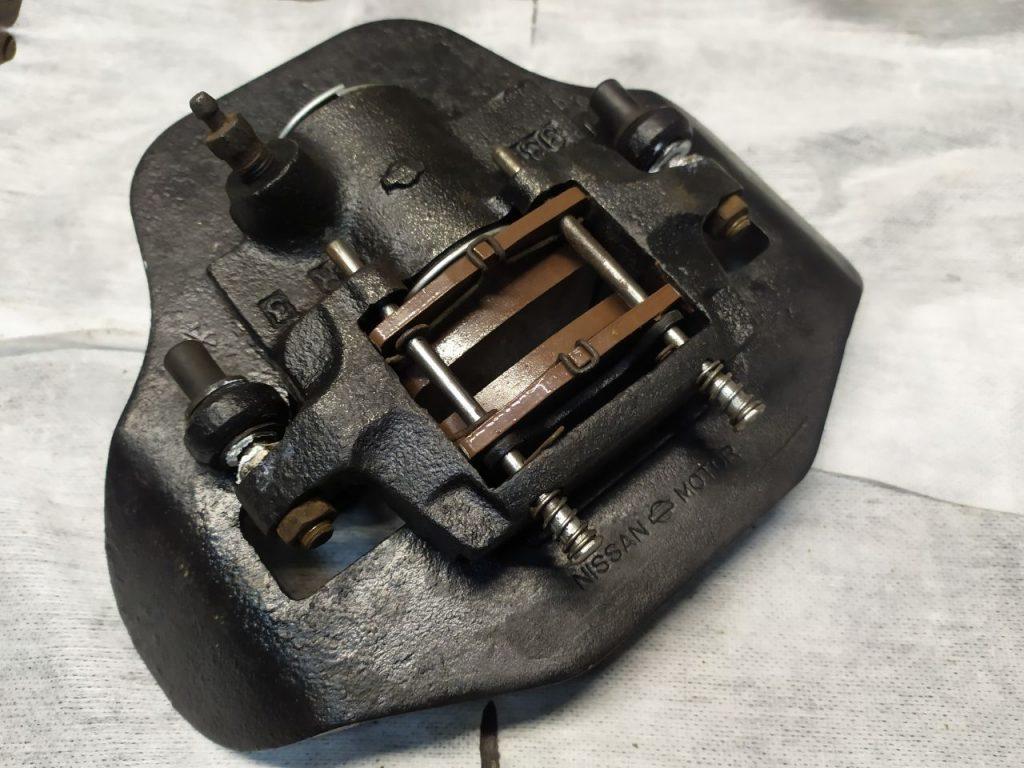
После разборки суппорта были зачищены от ржавчины и покрашены. На этот раз я поленился и покрасил из баллона, но чтобы сохранить приемственность тоже в чёрный. Краска в баллоне — акрил, который можно наносить прямо на ржавчину.
ИНФО: обязательно перед покраской обезжириваем поверхность и закрываем малярным скотчем все рабочие отверстия: под поршень, штуцер тормозной магистрали и штуцер прокачки.
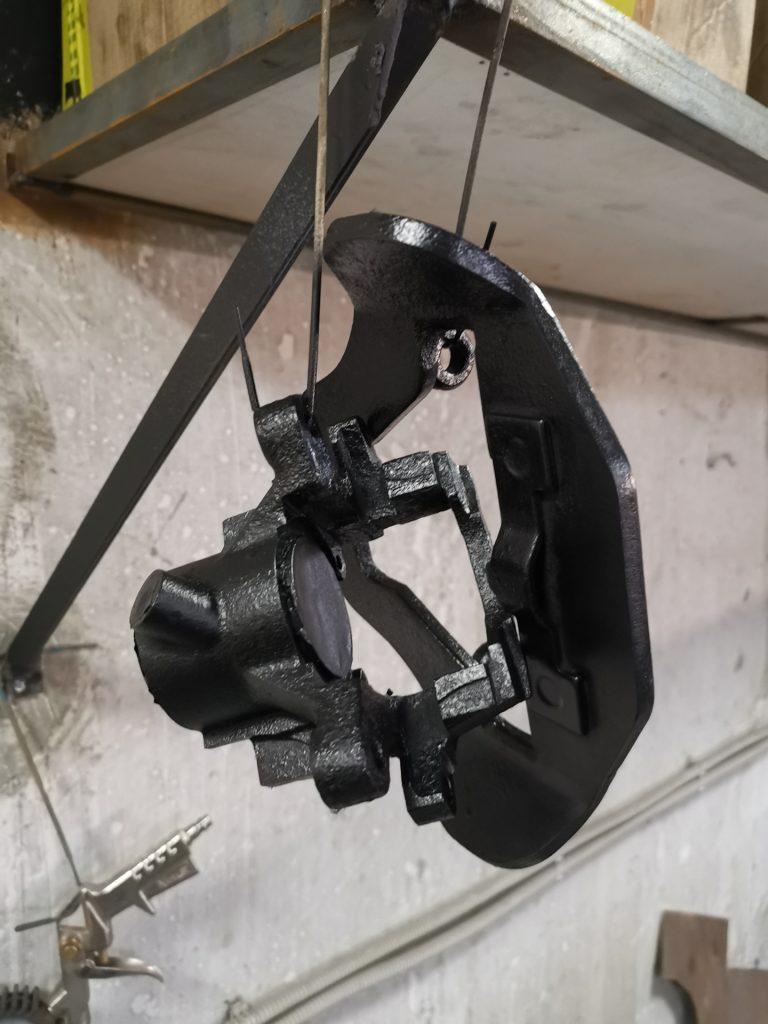
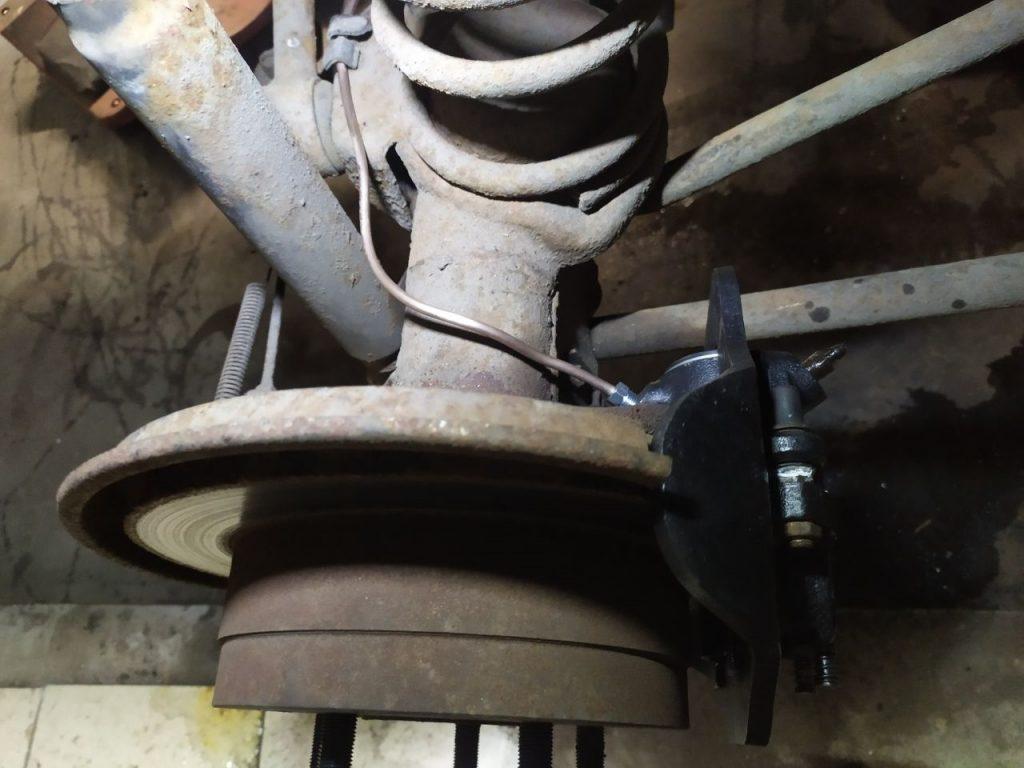
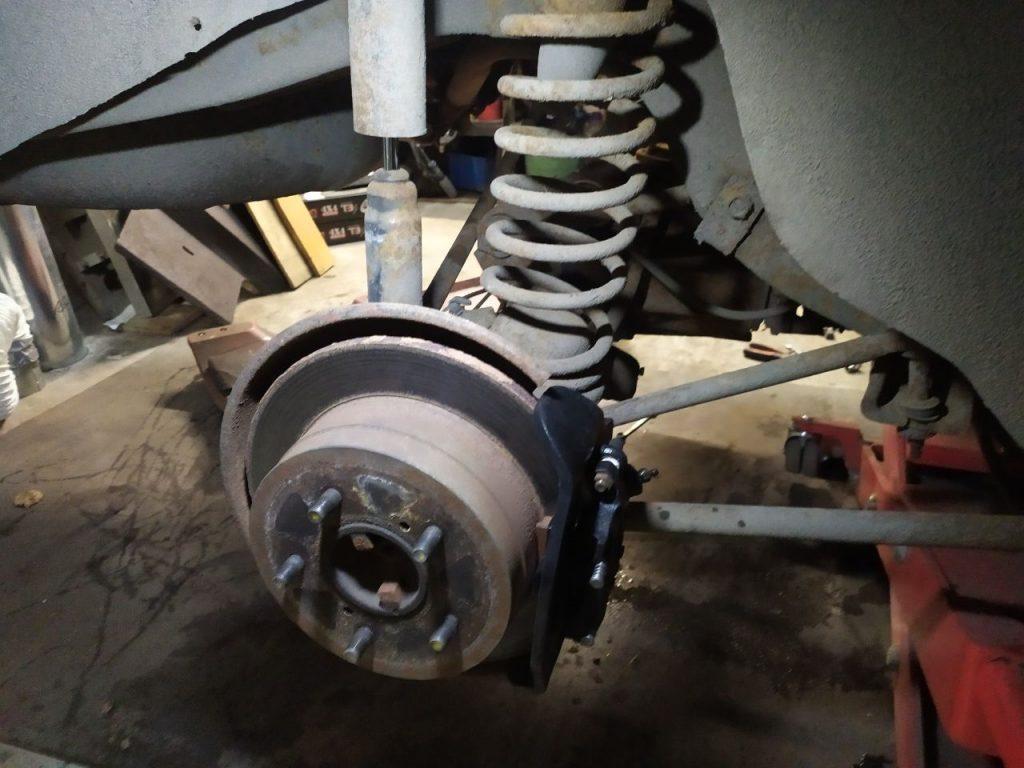
Итог после переборки выглядит вот так:
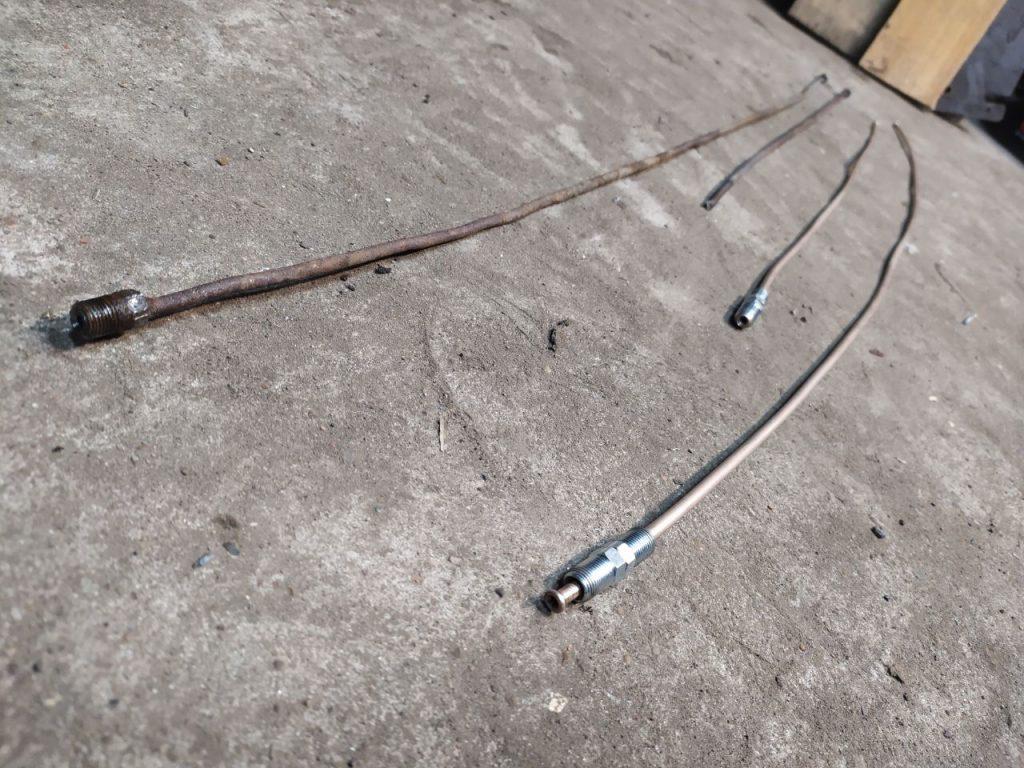
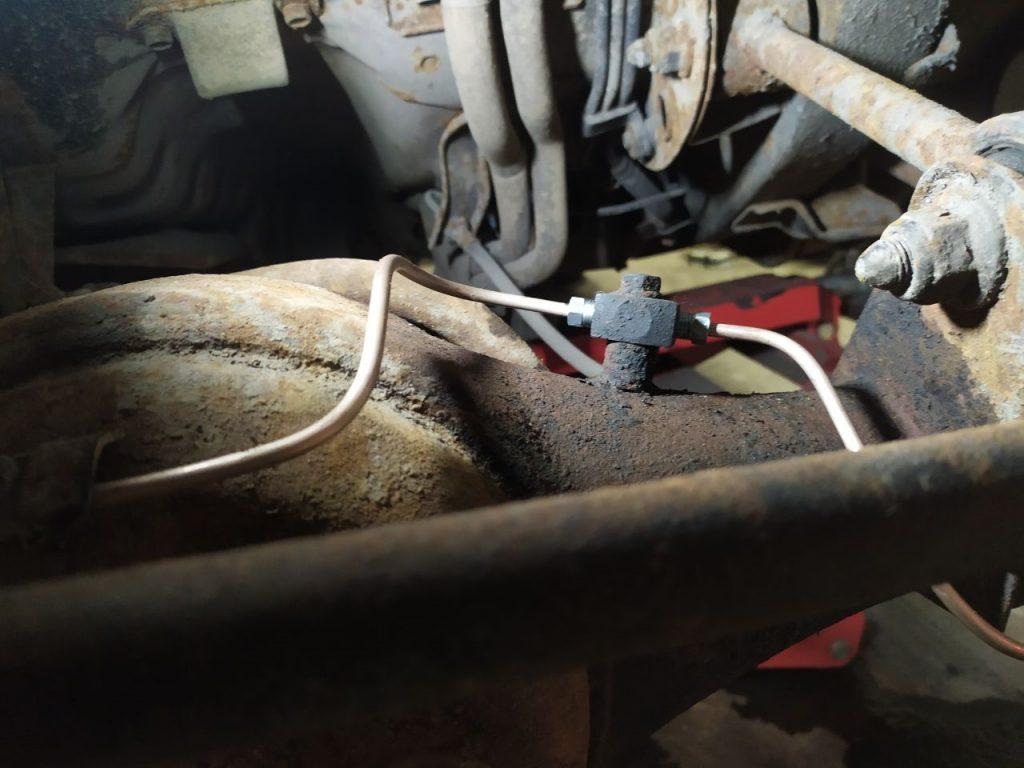
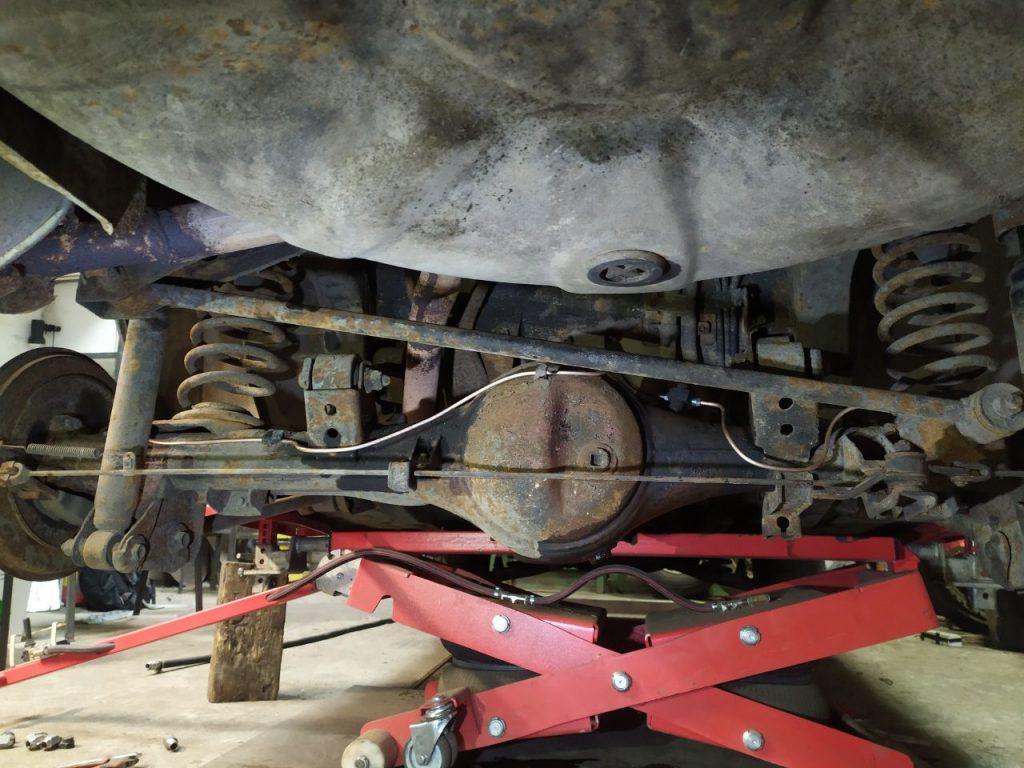
Тормозные трубки сейчас делают практически в каждом городе
Комментарии
Пока нет одобренных комментариев.