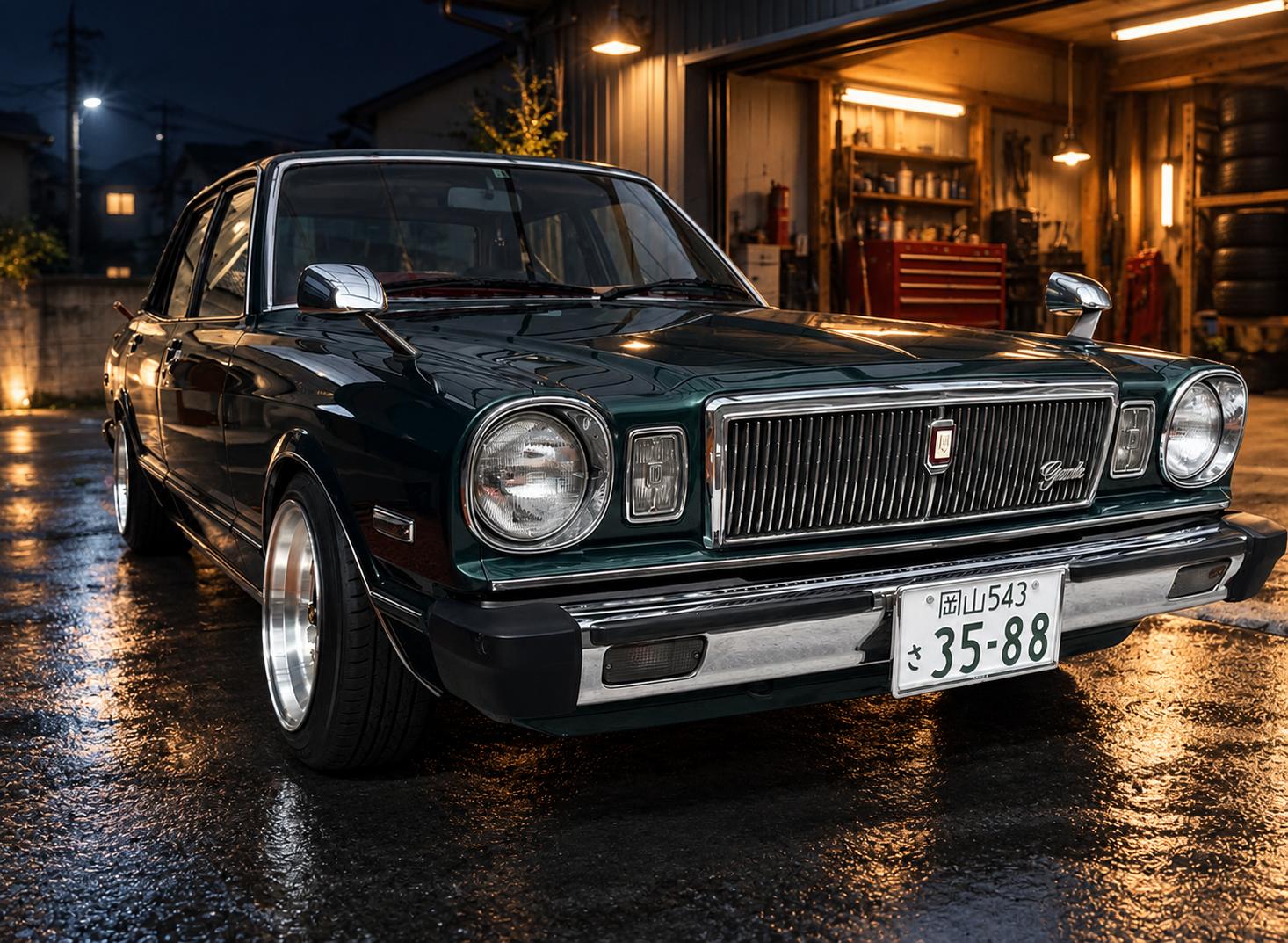
Причиной запаха бензина оказался негерметичный бензобак. Был приоткрыт лючок для трубок .
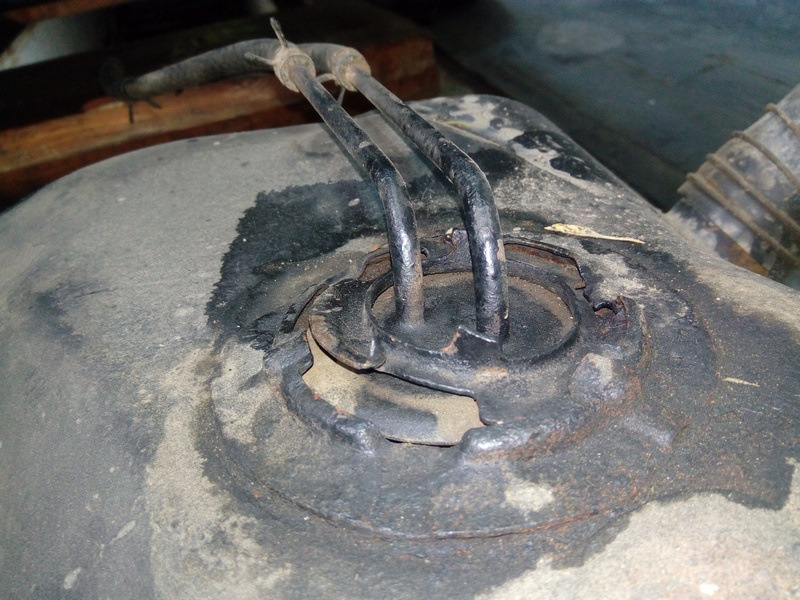
Установил крышку правильно. Для проверки дал давление воздуха, стало слышно где-то еще травит. Оказалось, вверху бака есть еще 2 маленькие дырочки – проржавел метал насквозь. Запаял их обычным припоем для медных проводов и залил толстым слоем герметика. Давление стало держаться.
Но только прикрутил бак на место, он стал протекать снизу. Это была уже серьезная дыра от ржи.
Видеоплеер:
VK ВидеоYouTube
Ради проверки дедовского способа натер эту течь мылом.
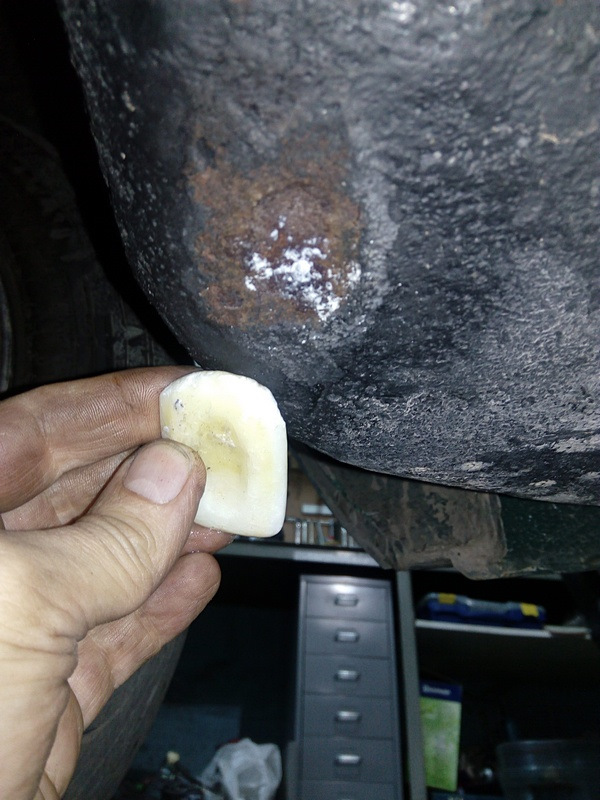
Течь прекратилась, так как бензин не растворяет мыло.
Кладу мыло в дорожный набор, и снимаю бак снова.
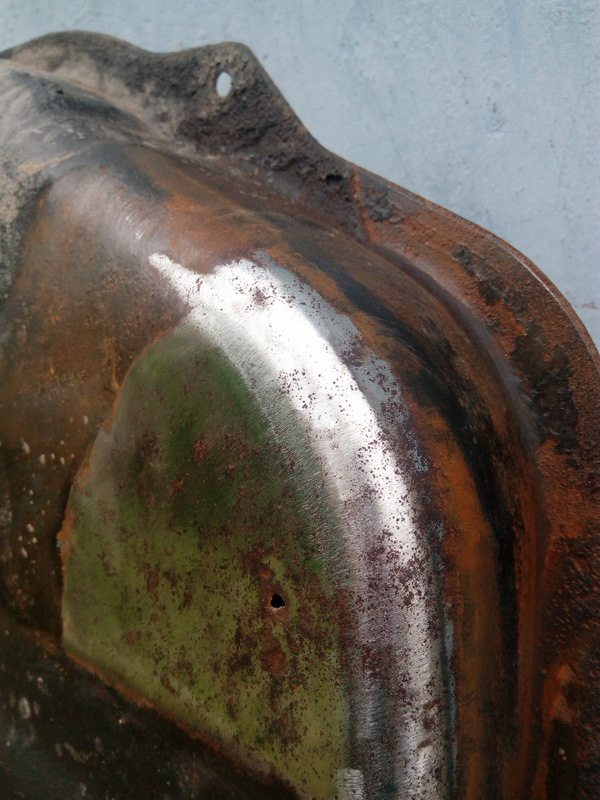
После зачистки ржавых областей выявились еще дырки.
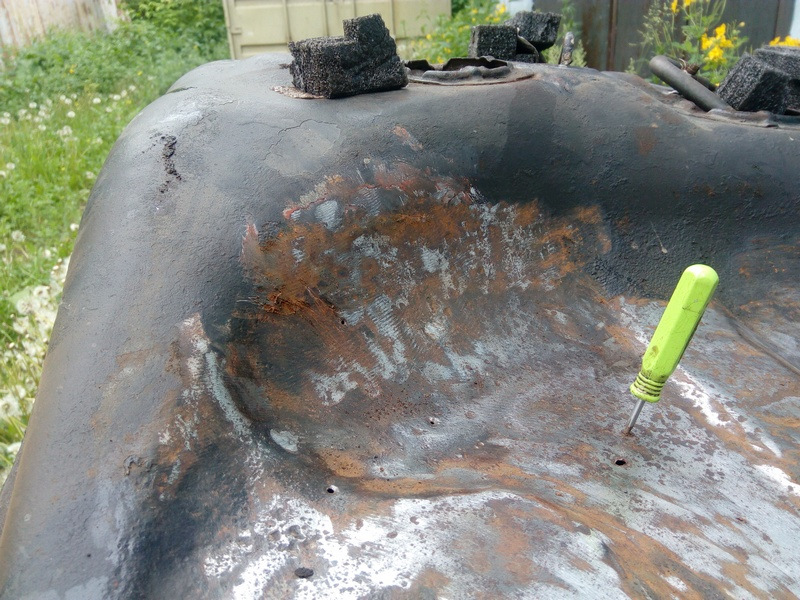
Отдал варить спецу, по технологии: пропарка, заливка аммиаком, заварка заплатками и местами точечно.
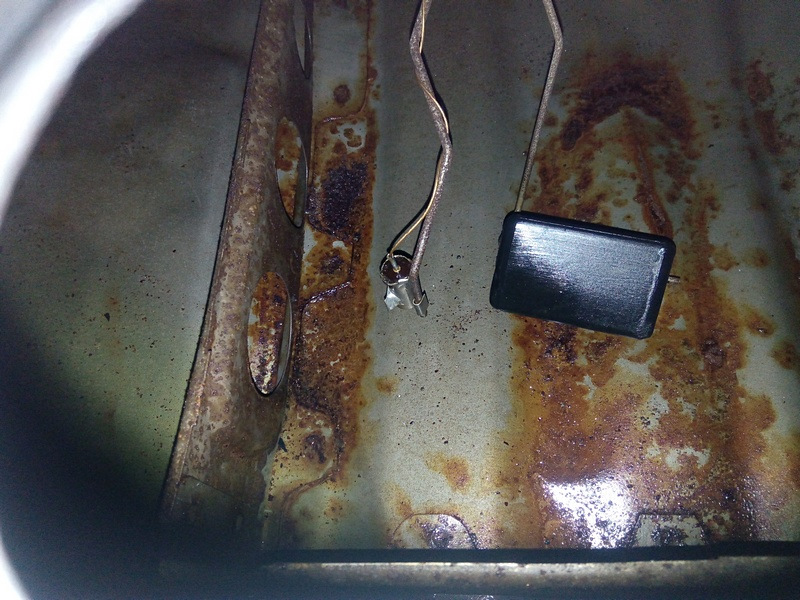
Состояние внутри до процедур.
В гараже промыл его от аммиака, потом 0,5 л. ортофосфорной кислоты на пару часов и промывка водой, сушка феном, и на последок грамм 300 ацетона, для удаления остатков влаги (всю технологию тут на Драйве прочитал).
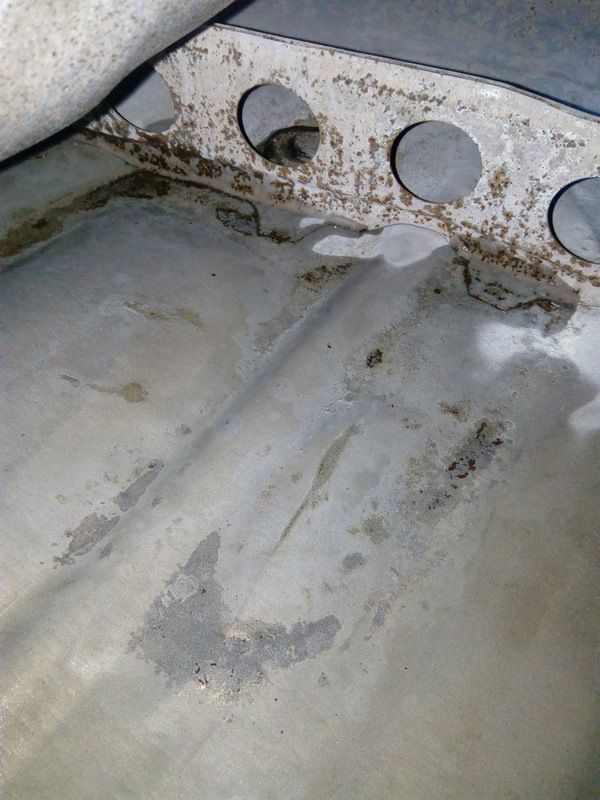
Эффект есть.
Укутывание сильно помогает при сушке, бак прямо горящий стал от простого фена.
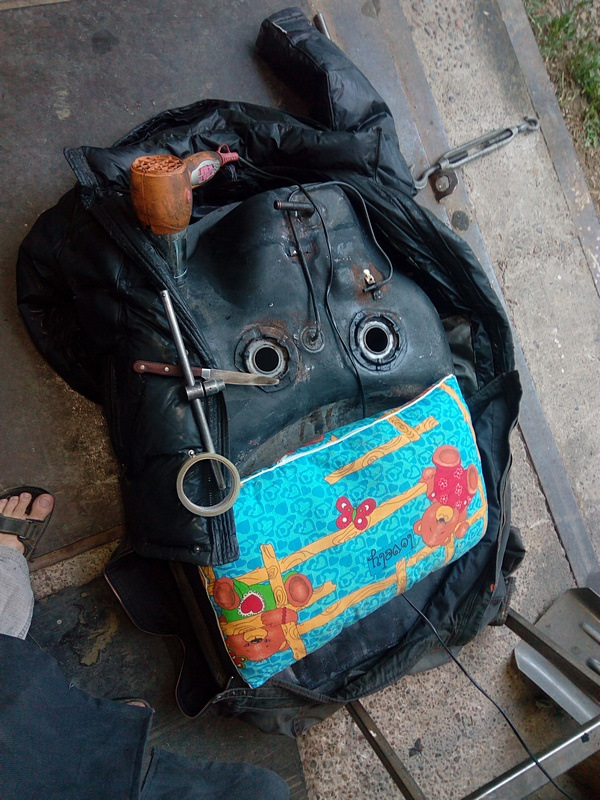
В результате, запах ушел не только из салона, и в гараже перестало бензином вонять .
.
Если кто-то покажет, как выглядит стоковый абсорбер, в который приходит третья трубка из бензобака, буду признателен.
Комментарии
Пока нет одобренных комментариев.