Bump Steer — паразитное подруливание (дословно: ударное руление ), особенность работы подвески, когда при наезде на неровность колесо самопроизвольно поворачивается, без вмешательства руля.
Что б сразу понять о чем речь, посмотрите это видео:
Но чем же это страшно и опасно?
Потерей устойчивости на скорости, при наезде в ямку.
Почему это происходит?
Каждая подвеска обладает мгновенной осью движения. Если тяга рулевого управления не нацелена в мгновенный центр, тогда будет происходить поворот колеса при перемещении подвески, так как тяга рулевого управления и подвеска движутся вокруг различных центров. Если тяга рулевого управления обладает некорректной длиной при правильном положении, она уже не будет продолжать указывать в мгновенный центр, когда подвеска перемещается. Таким образом, одинаково важны положение тяги рулевого управлен ия и ее длина.
Для того, чтобы достигнуть нулевого «bump steer», концы тяги рулевого управления должны находиться на воображаемой линии, проходящей через внешние верхний и нижний шарниры рычагов подвески, и на воображаемой линии, проходящей через внутренние верхний и нижний шарниры рычагов подвески. Кроме того, осевая линия тяги рулевого управления должна пересекаться с мгновенным центром, полученным продолжением линий верхнего и нижнего рычагов подвески (cмотри диаграмму ниже).

Мгновенный центр является воображаемой точкой, которая получается путем проведения линии через внешний и внутренний шарниры верхнего рычага подвески и ее пересечения с линией, проведенной через внешний и внутренний шарниры нижнего рычага подвески. Точка пересечения этих линий и является мгновенным центром.
Если вам все равно ничего не понятно — не страшно. Есть отличная онлайн программка для расчета подвески, с красивой визуализацией. Главное выбрать свой тип подвески, а затем ввести свои значения размеров. Меряется рулеткой)
так же сделал и я
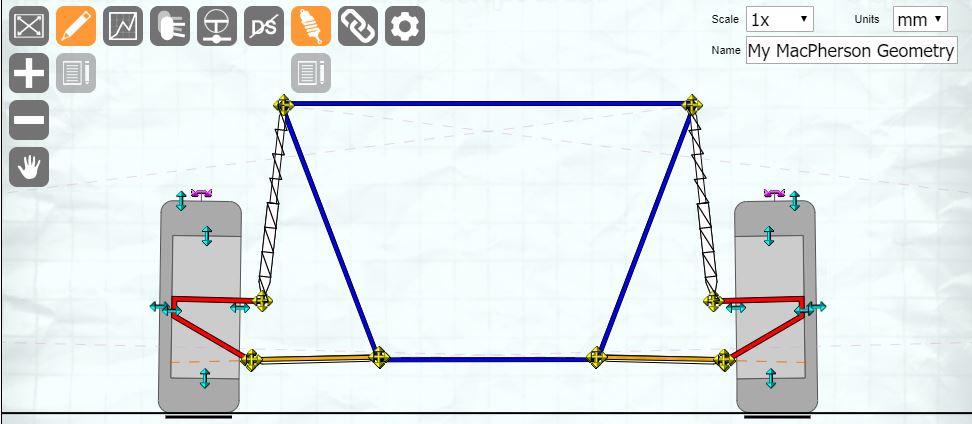
Эта ссылка поможет на примере своей машины понять как отрабатывает у вас подвеска после занижения, например.
Получается вот что: или искать рейку длиной 54 см(именно такое расстояние между креплениями нижних рычагов) или нечто близкое по длине и перемещать рейку вверх\вниз. И вот второй вариант совсем не подходит. места там совсем нет.
Для наглядности покажу отличные фотки
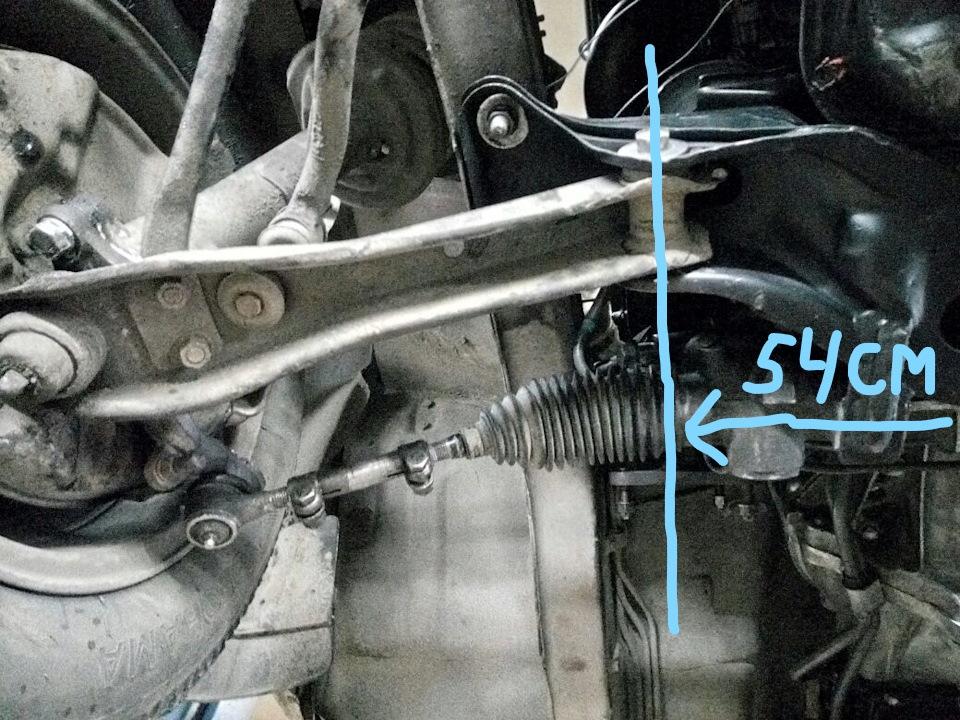
Он столкнулся с похожей проблемой. Рейка от 90го марка практически подходит, но вот беда сильно длинная.
Решение есть, с 80х годов начали внедрять рейки. Найти можно, но надо искать.
Комментарии
Пока нет одобренных комментариев.