
Автор — Pim25
Читайте так же:
Правильная развальцовка тормозной трубки
Схема магистралей на 40м марке выглядит так:
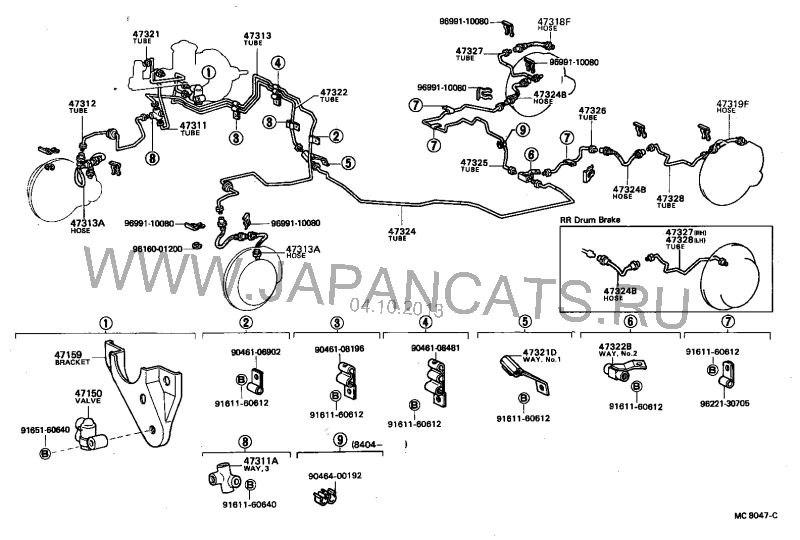
Не секрет, тормозные магистрали наших преклонного возраста машин – особенно те, что расположены у колёс – склонны к коррозии и растрескиванию от воздействия воды и вибрации:
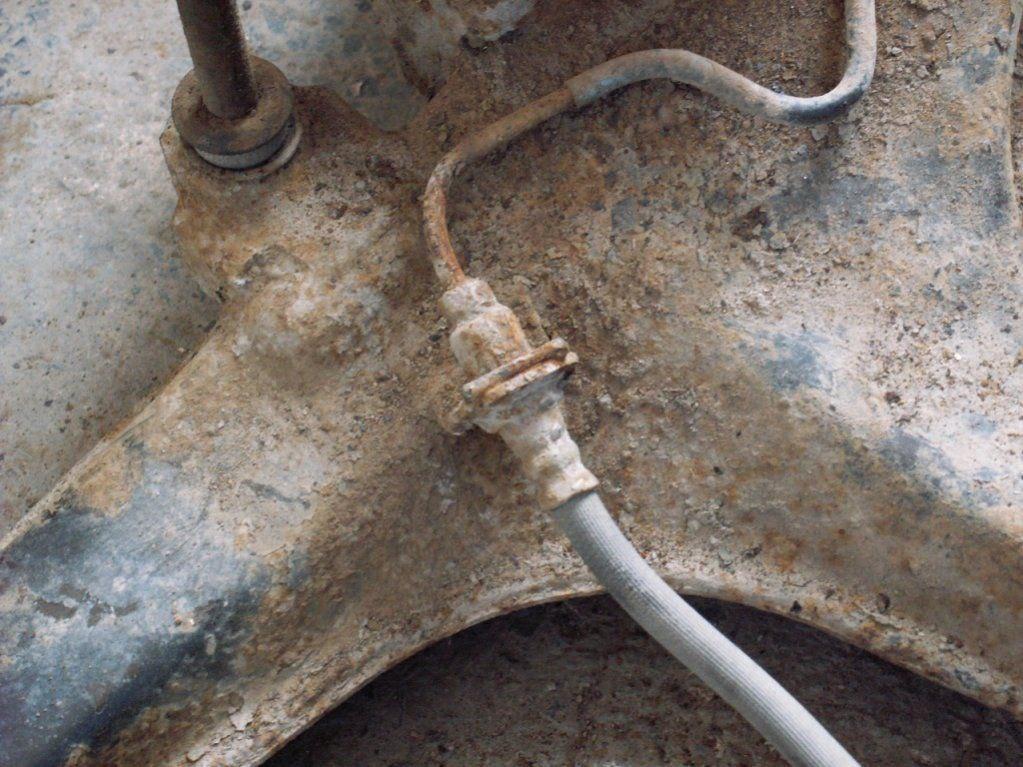
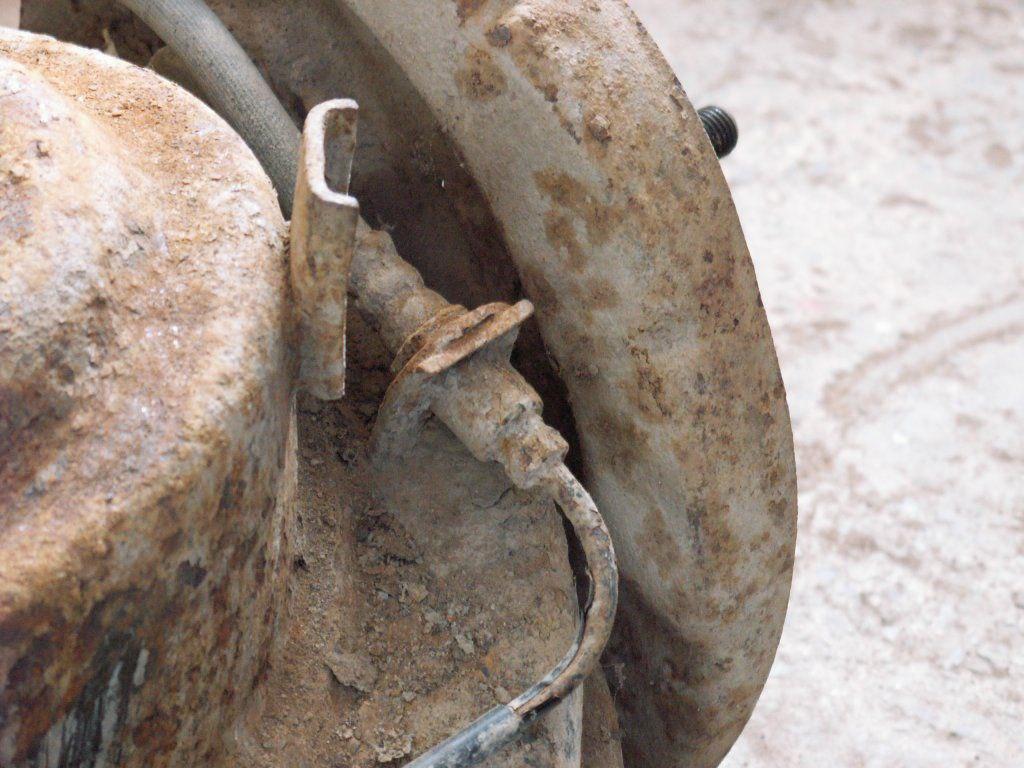
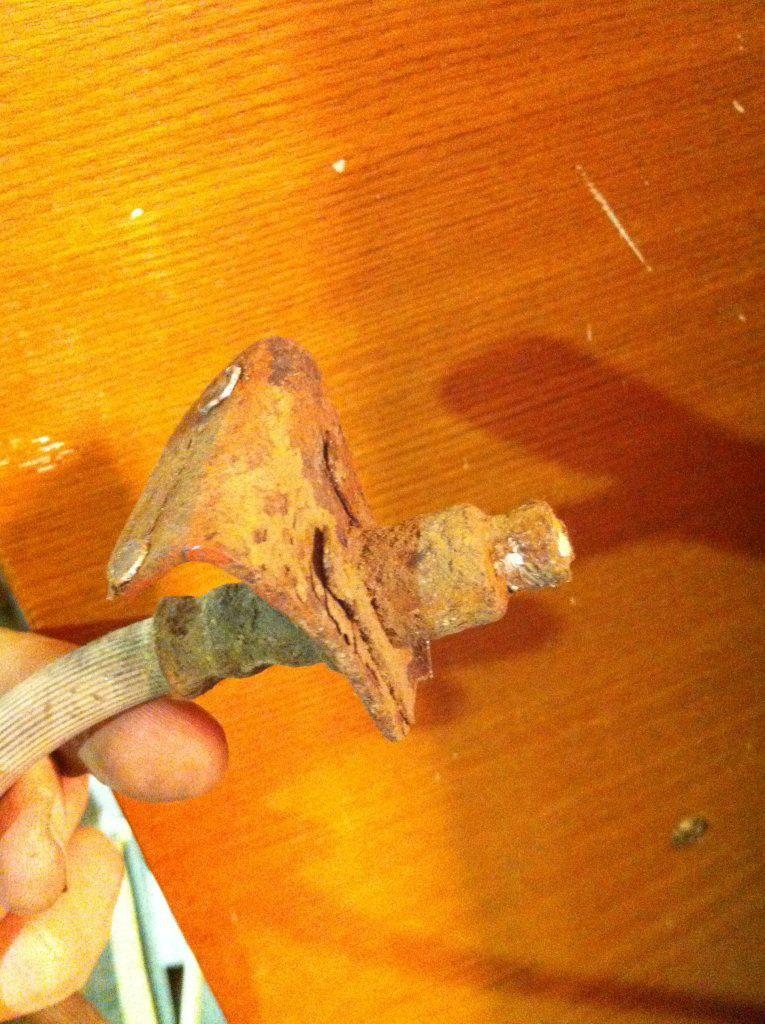
Так что после демонтажа зачастую в руках остаются только куски трубок и фланцев, иногда даже с кронштейнами:
Со шлангами всё более-менее ясно – их надо регулярно менять как расходник, благо все необходимые торм. шланги на нашу машину можно (пока!) заказать в наших интернет-магазинах:
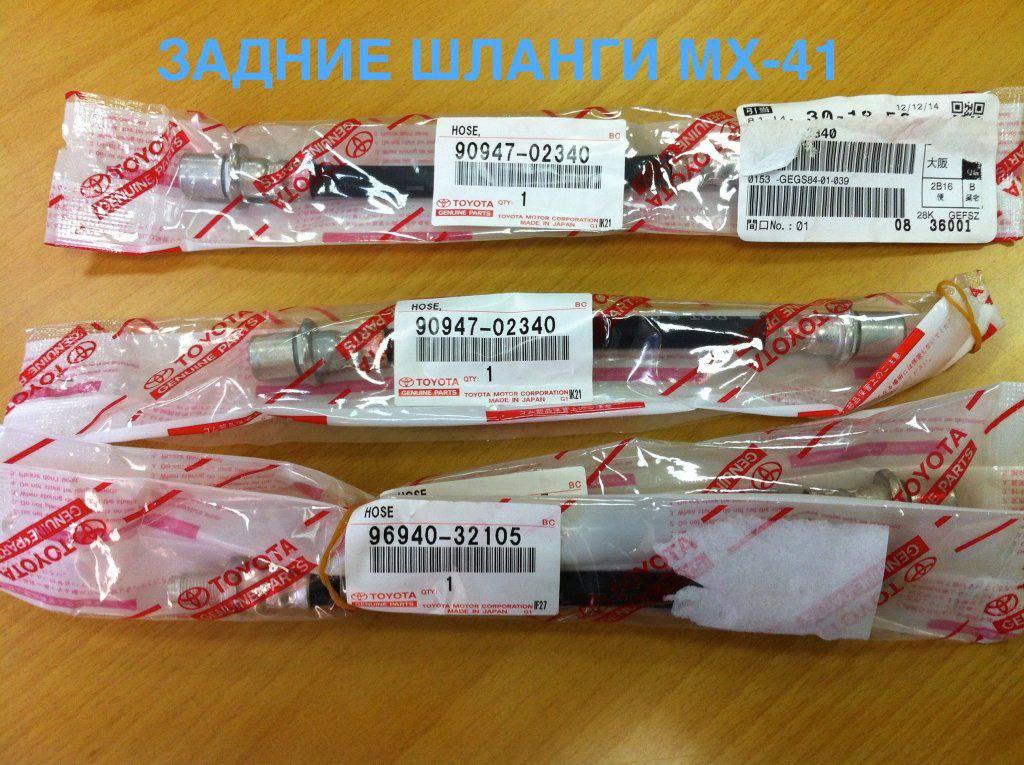
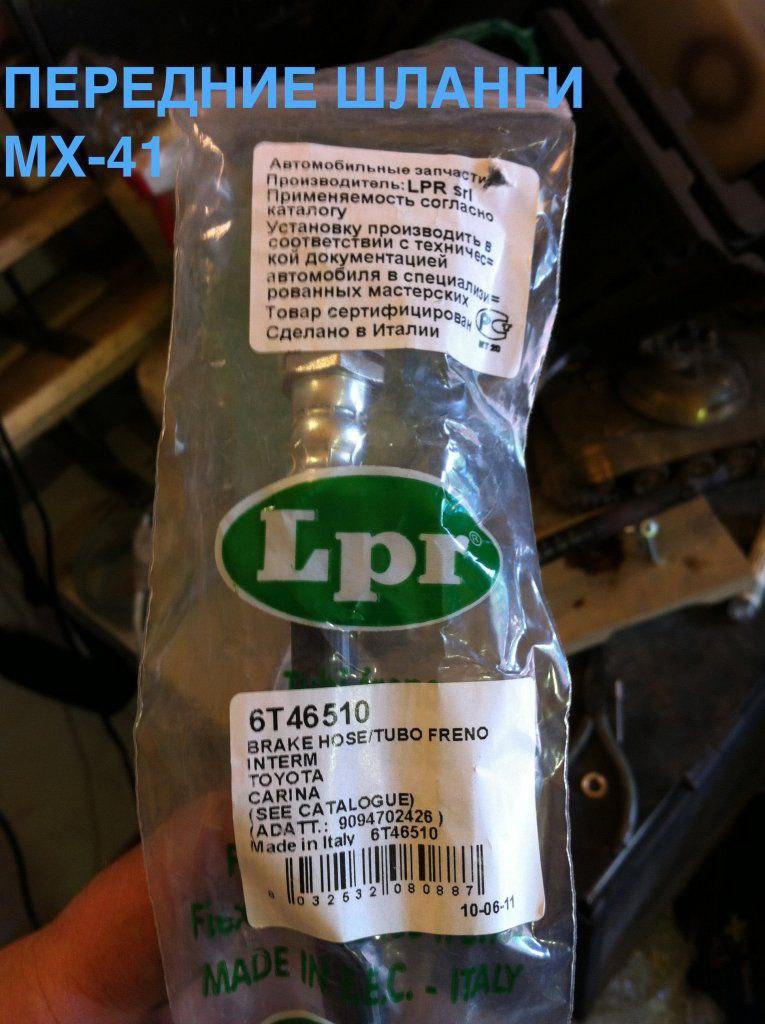
А вот на попытку заказать оригинальные трубки с нашего кузова, скорее всего, придёт обидное «снято» – по крайней мере, у меня в нескольких интернет-магазинах так и случилось. Не падая духом, я стал потихоньку находить и собирать похожие на родные трубки с авторазборок, и вроде бы даже достиг в этом некоторого успеха.
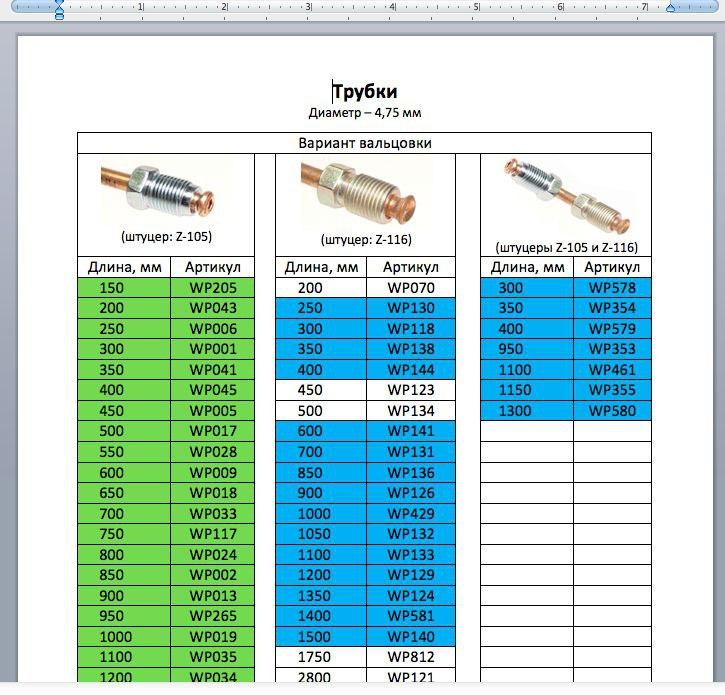
Однако, вплотную занявшись восстановлением тормозов, я всё-таки решил покопаться в сети дополнительно и попробовать решить проблему замены трубок более «кошерным» способом. И откопал-таки решение! Нашёл в сети производителя стальных, медных и медно-никелевых тормозных трубок – польскую компанию Witold Pniewski, которая, как оказалось, снабжает этими трубками и комплектующими для тормозов пол-Европы. “Фишка” в том, что каталожные номера их деталей бьются в Exist.ru, и там можно заказать прямые трубки определённой длины с нужными фланцами и развальцовкой.
Вот пример их каталога, где синим цветом выделены трубки внешним диаметром 4,75 мм (3/16’’) с «японской» развальцовкой SAE двойным конусом. Трубки из средней колонки таблицы, которые я заказал, подошли практически везде:
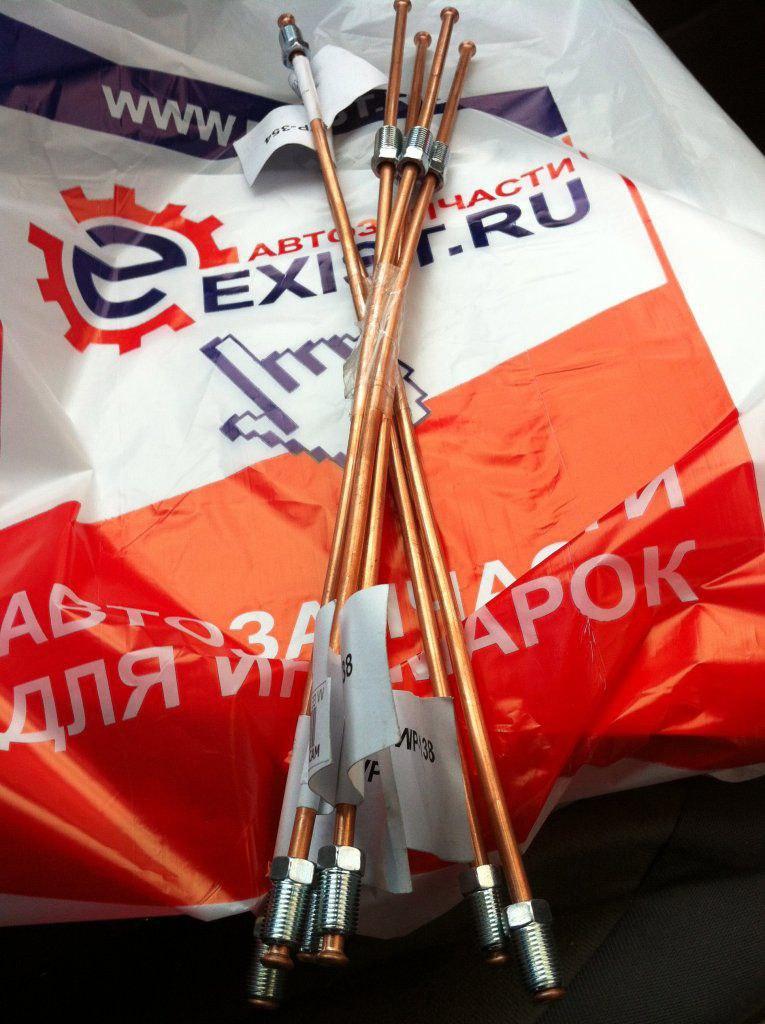
Короткие и средние (от 35 до 90 см) трубки я менял целиком (заказывая изделия WP либо изготавливая самостоятельно и развальцовывая концы), выгибая по образцу с переносом изолирующего покрытия:
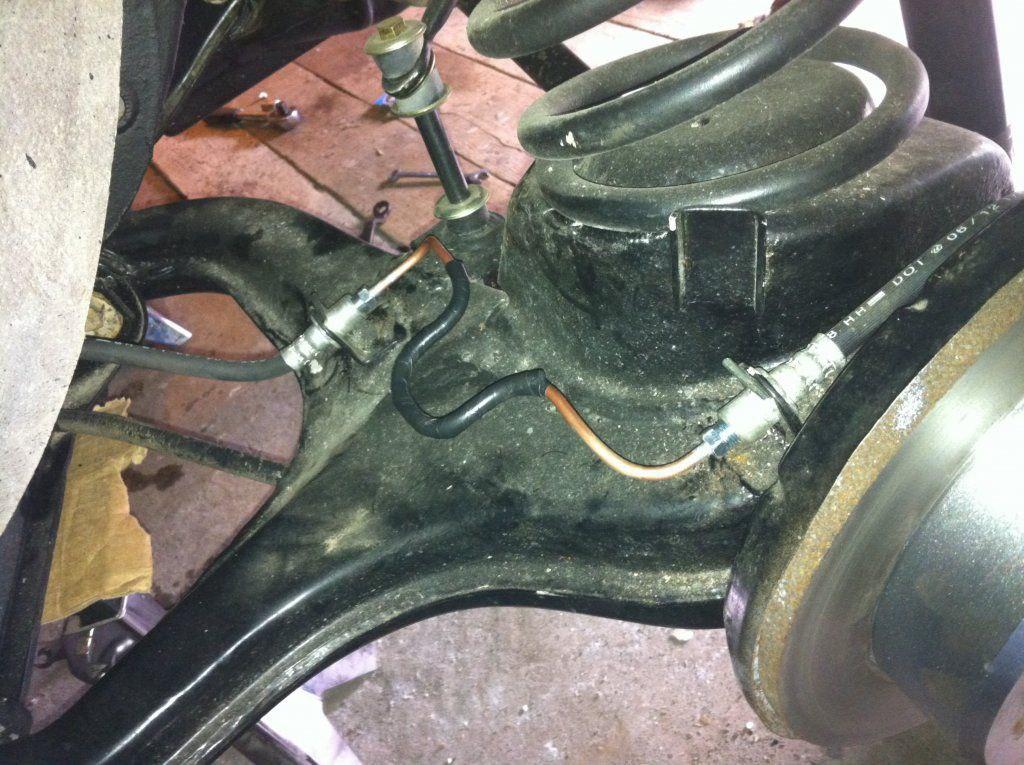
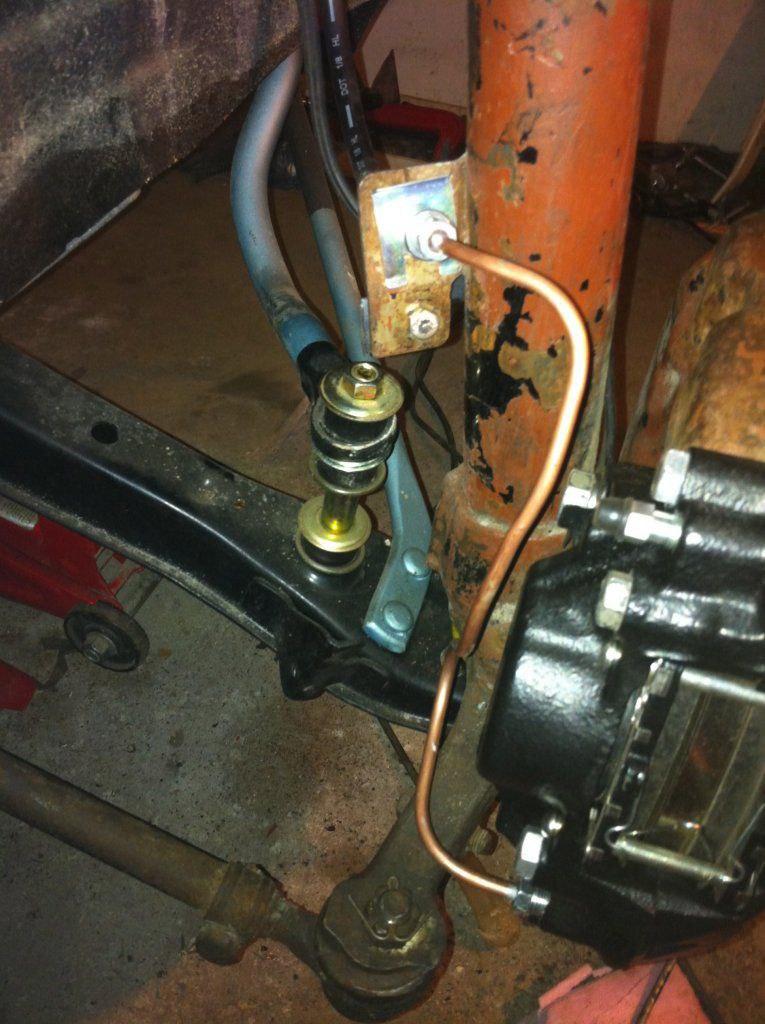
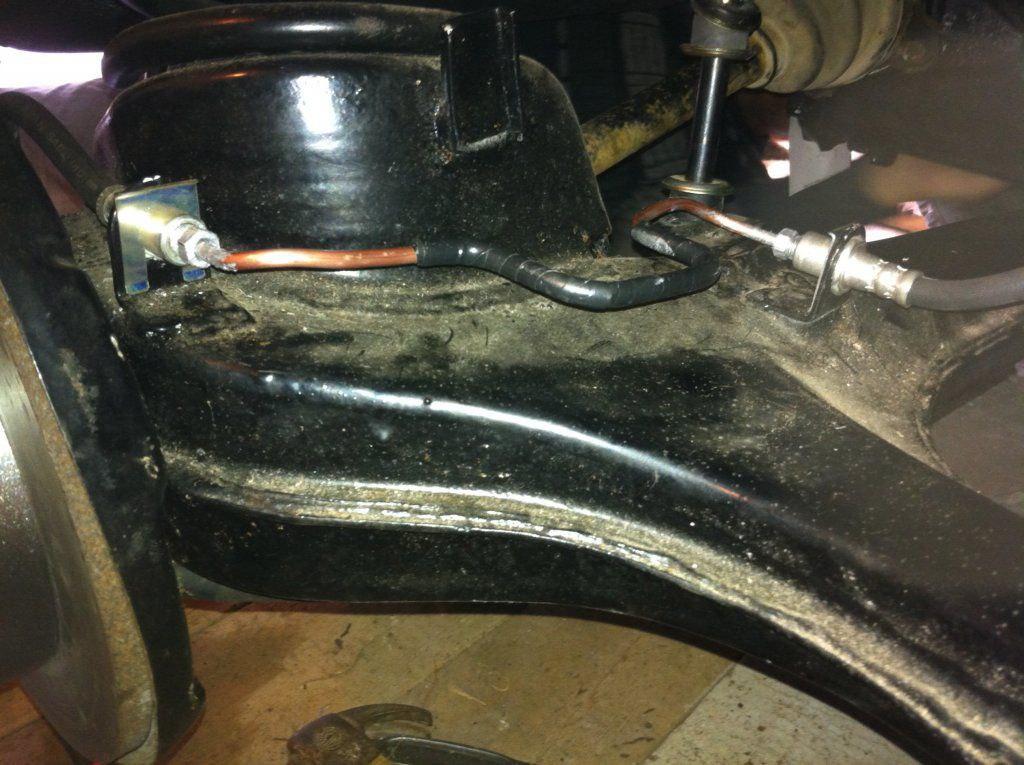
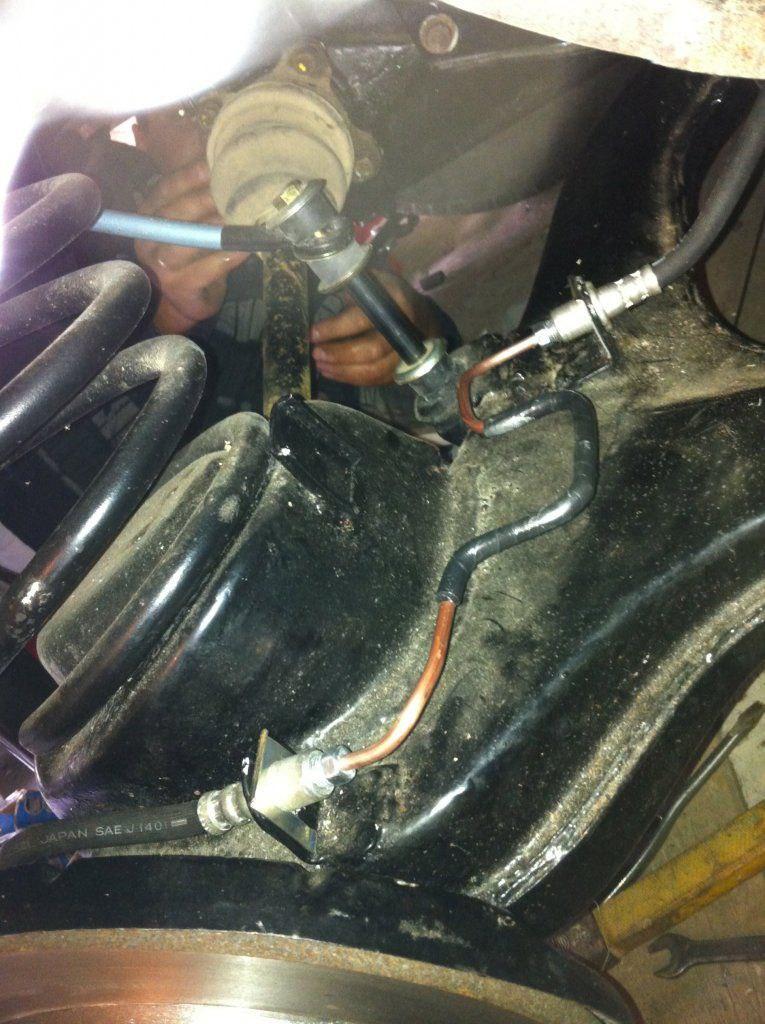

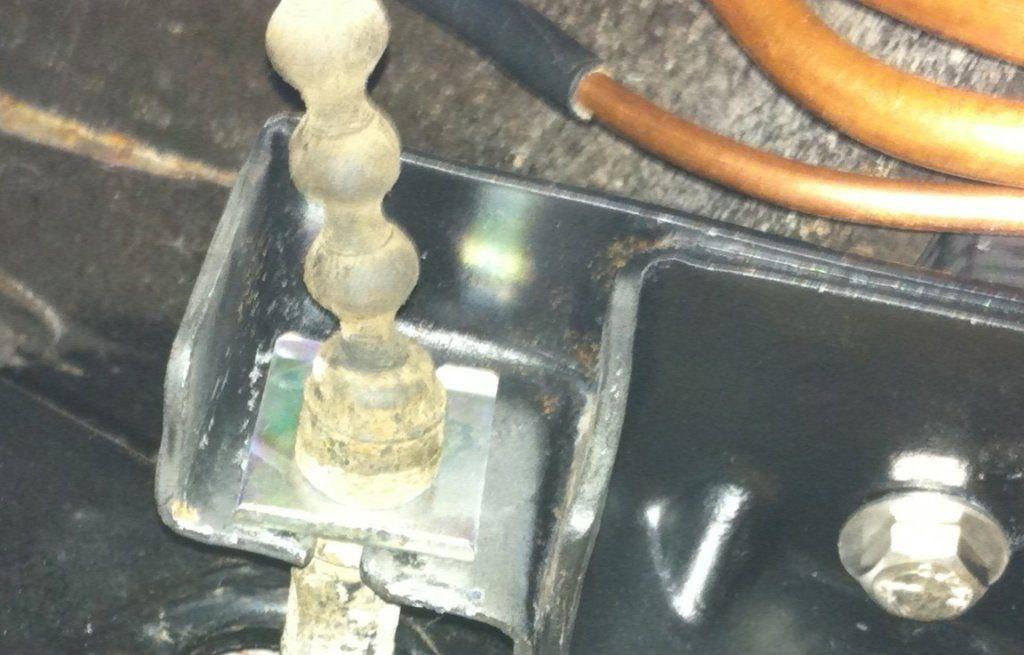
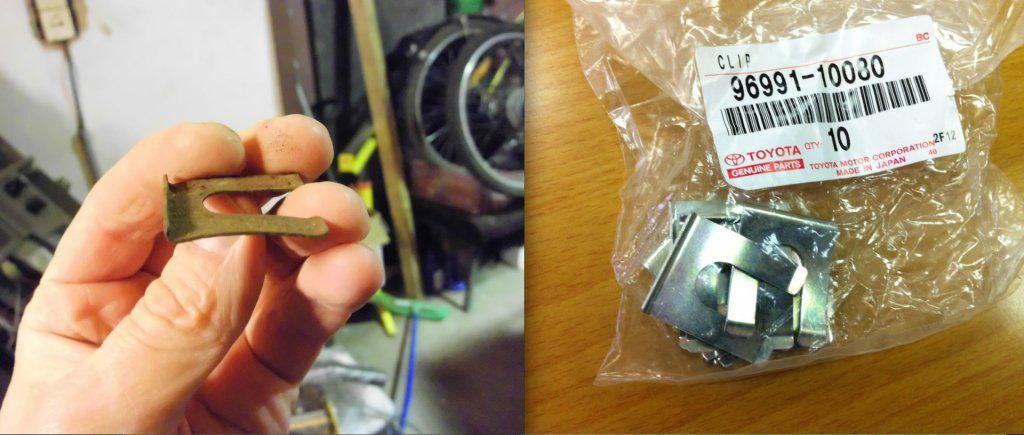
Ещё одна мелочь, которая пригодится при замене шлангов и трубок – это пружинные клипсы крепления. Они, как правило, в процессе эксплуатации сильно ржавеют, при снятии деформируются, и желания повторно их применить не возникает. Закупка этой плёвой, но необходимой детальки в количестве чуть больше десятка штук (две из них понадобятся при переборке ручника) очень облегчает работу и избавляет от кропотливой работы по их реставрации:
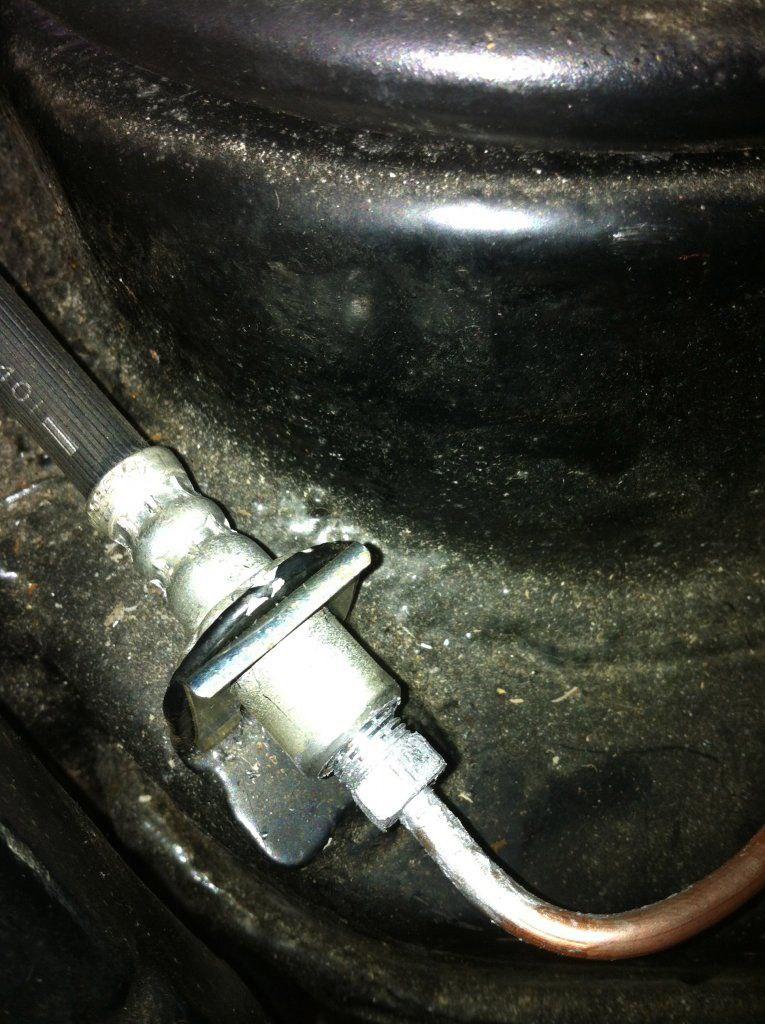
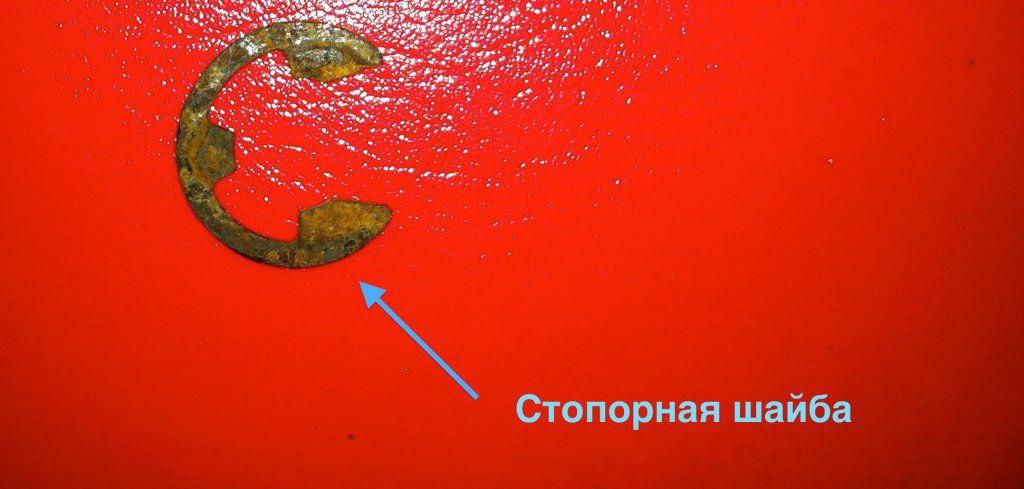
Кроме того, на некоторые новые шланги придётся переставить старые стопорные шайбы открытого типа – там, где они ещё не заменены заводскими приливами на фланцах.
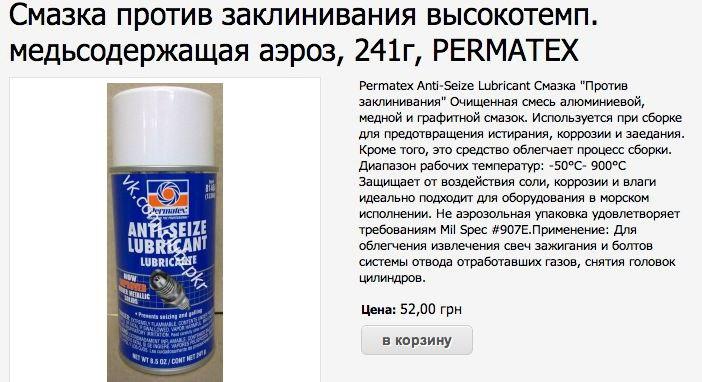
Глядя немного в будущее, для облегчения откручивания тормозных трубок без повреждений полезно при установке смазывать место контакта трубки и фланца какой-нибудь долгоживущей смазкой. Я для этого использовал вот такой специальный и удобный аэрозольный «препарат»:
Комментарии
Пока нет одобренных комментариев.