═════════════════Frequently Asked Question═════════════════
Автор: Yurran
Заметил, что рано или поздно у многих пневмоподвесочников появляется подобная запись в бортовом журнале. Со временем я понял почему! Так же понял почему не все из них охотно отвечают на вопросы, по поводу пневмы. Все дело в том, что вопросы люди задают одни и те же и одно и тоже им отвечать со временем устаешь. Поэтому в этой записи постараюсь помочь всем кто питает реальный интерес к сжатому воздуху в своей машине! Не претендую на звание гуру, все написанное ниже лишь мой опыт и знания из сети!
Итак:
1. Самое главное в пневме, это конечно же подушки, которые ставятся (для кого-то это новость) вместо пружин, выполняя роль упругих элементов! В зависимости от типа подвески подушки ставятся вне амортизатора или надеваются прямо на него.
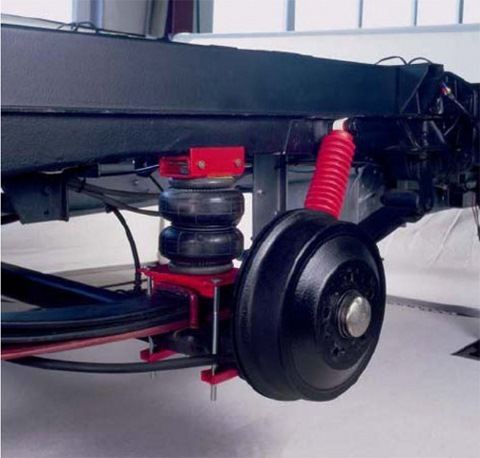
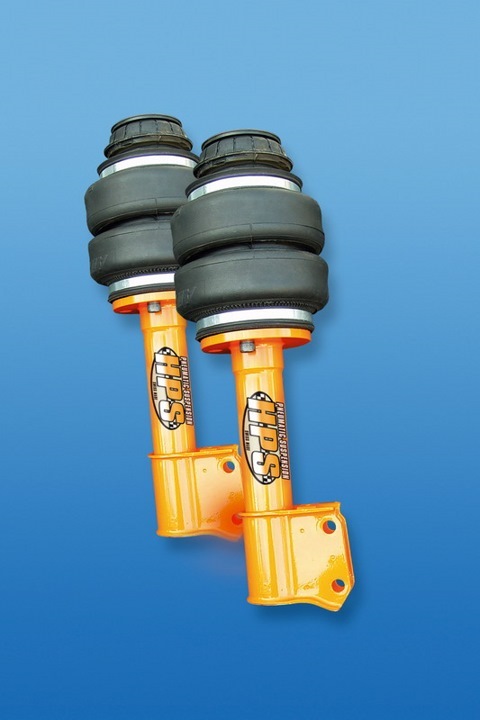
Здесь от вас ничего не зависит, если пружина отдельно от амморта, значит подушку ставить надо так же! В первом случае все проще и дешевле, берем герметичную подушку и ставим вместо пружины. С подушкой надетой на стойку дела обстоят посложнее. Во первых нужно уплотнить подушки сверху и снизу.
КАК УПЛОТНЯЕТСЯ ПОДУШКА НА СТОЙКЕ?
Все очень просто- во фланцах подушек есть канавки с резиновыми кольцами, плотно зажимающими корпус стойки и шток.
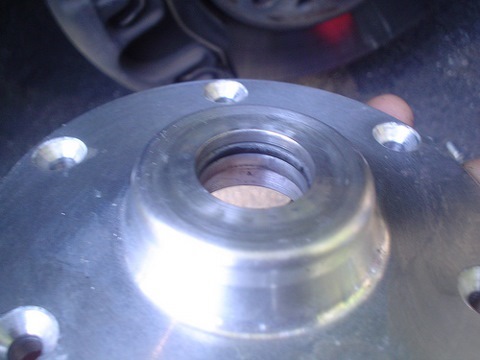
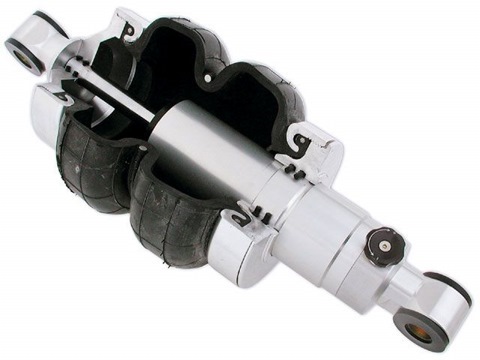
И БУДЕТ ДЕРЖАТЬ? У всех держит. нужно только обеспечить посадку колец с натягом в 0,1-0,2 мм.
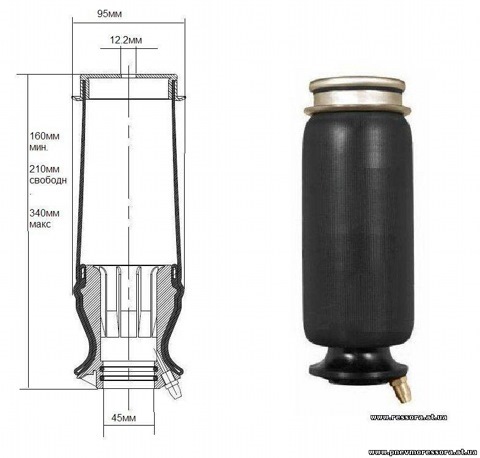
Существует так же 2 типа подушек- сильфоны и рукава или в простонародье бублики и сливы. Бублики вы увидели на фото выше, а сливы выглядят вот так
О том как классно пинаются бублики в моей подвеске и о необходимости установки дополнительных объемов я писал вот здесь
Что выбираете вы- это ваше дело. Лично для меня бублики стали решением из-за своей малой минимальной высоты и близкого расположения колеса к стойке, а так же большого диаметра стакана стойки. Сзади можно было поставить и сливы, но для этого нужно было подбирать стойки от чего-то другого из-за выпуклых упоров на корпусе стойки не дающих опять же опустить подушку ниже.
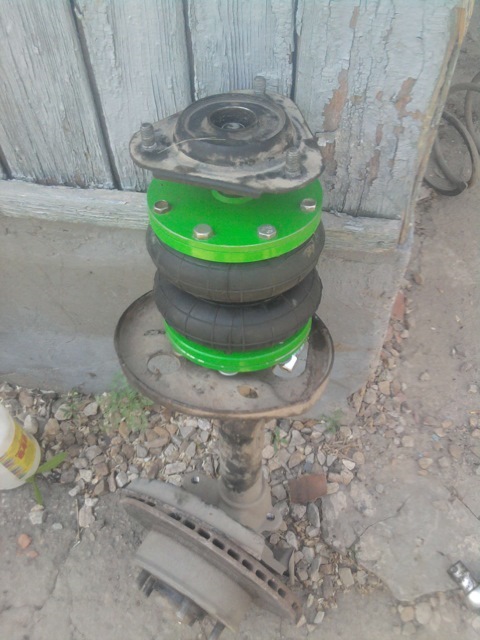
КАКИЕ ПОДУШКИ СТОЯТ У МЕНЯ? Я остановил свой выбор на подушках Dunlop 6*2 (перед)
и Dunlop 4 1/2*3 (зад)
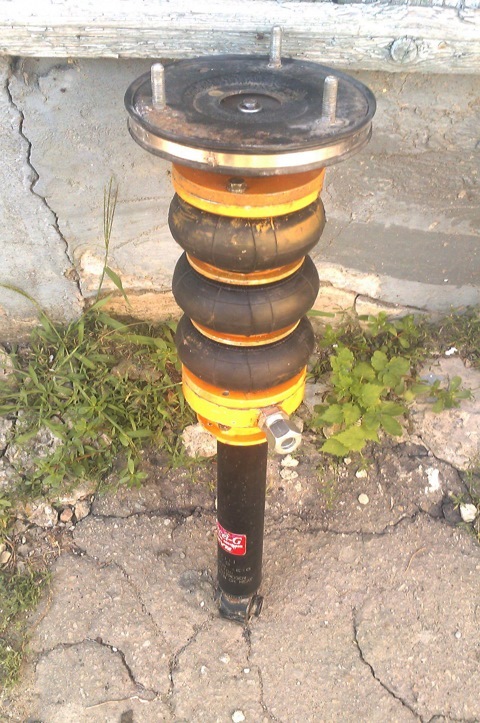
Покупал я только голые резинки, железо заказывал у токаря.
Могу ли поделиться чертежами Они уже разошлись по сети, вот ссылка например
pnevmopodveska-club.ru/topic/411-dunlop-6-kh-2/
Есть кстати важный моменет с передними стойками типа МакФерсон. У меня шток поворачивается вместе со стойкой и подушкой в опорном подшипнике, поэтому трения в уплотнительных кольцах подушек нет и нет соответственно износа. Если на вашей стойке шток стоит на месте, только лишь меняя угол наклона, вам моя конструкция не подойдет.
2. Блок подготовки воздуха.
Разобью его на подпункты:
а) КОМПРЕССОР. Здесь есть варианты- это может быть электрический компрессор для подкачки шин, либо механический от кондиционера.
По первому люди рекомендуют модели Беркут R20, R24, хорошо зарекомендовавшие себя в данной теме, либо американские ViAir.
Кондей отдельная тема, которую я подсмотрел у джиперов, которые качают ими колеса. Производительность выше чем у электрического, поэтому набивать ресивер будет быстрее. Я остановился на нем, поскольку потерял надежду восстановить работоспособность штатного климата и собирался вообще демонтировать всю систему. Выбор оправдан только при таком раскладе. почитать можно тут
б) РЕСИВЕР. Варианты на любой вкус- с грузовиков, огнетушители, баллоны из под фреона и т.д. У меня с ЗиЛа. Держу в нем 10 атмосфер.
в) КЛАПАНА. В зависимости от количества контуров- 2х, 4х их нужно соответсвенно 4 или 8. У меня от газобалонного оборудования по причине бюджетности. Имеют малое сечение (2,5мм), поэтому скорость подъема-спуска не высокая.Хотите быстроты- покупайте с большим проходом, но учтите, что ловить нужное положение будет неудобно.
г) МАНОМЕТРЫ. Один из них нужен на ресивер, для контроля давления (просто чтоб знать). Второй (или несколько) в салон. У меня система двух-контурная и я ограничился двустрелочным манометром от КаМАЗа, для четырех-контурной соответственно нужно таких 2, либо 4 с одной стрелкой. Можно если есть деньги поставить электронный блок с ЖК-дисплеем и дптчиками, избавив себя от прокладки лишних трубок к манометрам в салоне.
д) УПРАВЛЕНИЕ. У меня нет никаких электронных мозгов, которые автоматически поддерживаю клиренс и т.д. Тупо две кнопки в салоне, которыми я опускаю или поднимаю перед и зад.
ж) РЕЛЕ ДАВЛЕНИЯ. Ставится на ресивер, для автоматического контроля за давлением в нем. Как только давление падает до 8атм, реле включает компрессор, поднимается до 10- выключает. Все просто.
з) ВЛАГООТДЕЛИТЕЛЬ- необходим судя по названию для того чтобы влага, неизбежно оседающая при охлаждении воздуха не попадала в клапана.Думаю понятно, что она там не нужна.
и) ОБРАТНЫЙ КЛАПАН- нужен для того, чтобы после остановки компрессора воздух из ресивера не утекал в обратку.
к) ТРУБКИ- я использовал пластиковую трубку для пневмосистем разных диаметров.
л) ФИТИНГИ- существуют разных типов, я предпочез металлические, резьбовые.
м) Клапан аварийного сброса давления- нужен для того чтобы в случае неконтролируемого повышения давления (не сработало реле) механически сбросить его при достижении заданных пределов ( у меня 12атм).
С комплектующими разобрались, теперь ГДЕ КУПИТЬ? СКОЛЬКО СТОИТ?
Подушки я покупал здесь по цене в районе 700р/штука, там же кстати можно приобрести и другие комплектующие, а так же готовые комплекты пневмостоек.(не реклама, просто часто все именно это спрашивают)
Трубки, фитинги покупаются в магазинах грузовых запчастей, там же подушки кабины Скания.
Кое что стоит из сантехники (например тройник с полдюймовой резьбой.
Реле давления и клапан аварийного сброса я заказывал тут
СКОЛЬКО ОБОШЛАСЬ ВСЕГО Все зависит от вашего выбора комплектующих. Мне вышло примерно в 30.
Редко кто задает вопрос ГДЕ МОЖНО ПОЧИТАТЬ?
Но все равно отвечу, так как прочтя это, у вас отпадут почти все ваши вопросы:
1. Недавно появившийся, но быстро развивающийся форум форум любителей пневмоподвески
2. Известный всем кто строил пневму китайский форум
3. Ну и вот этот форум
Фух, букав много, но думаю, у кого есть мечта делать пшшшш, эффектно ложась на землю, тот как я в свое время с удовольствием осилит.
Цена вопроса: 30 000 рублей
Комментарии
Пока нет одобренных комментариев.